
Last updated September 20, 2026
Full 25-point door and opener safety check with every visit - springs, cables, rollers, tracks, and your LiftMaster or Chamberlain opener included
You get a price before we start. It does not change when the truck arrives.
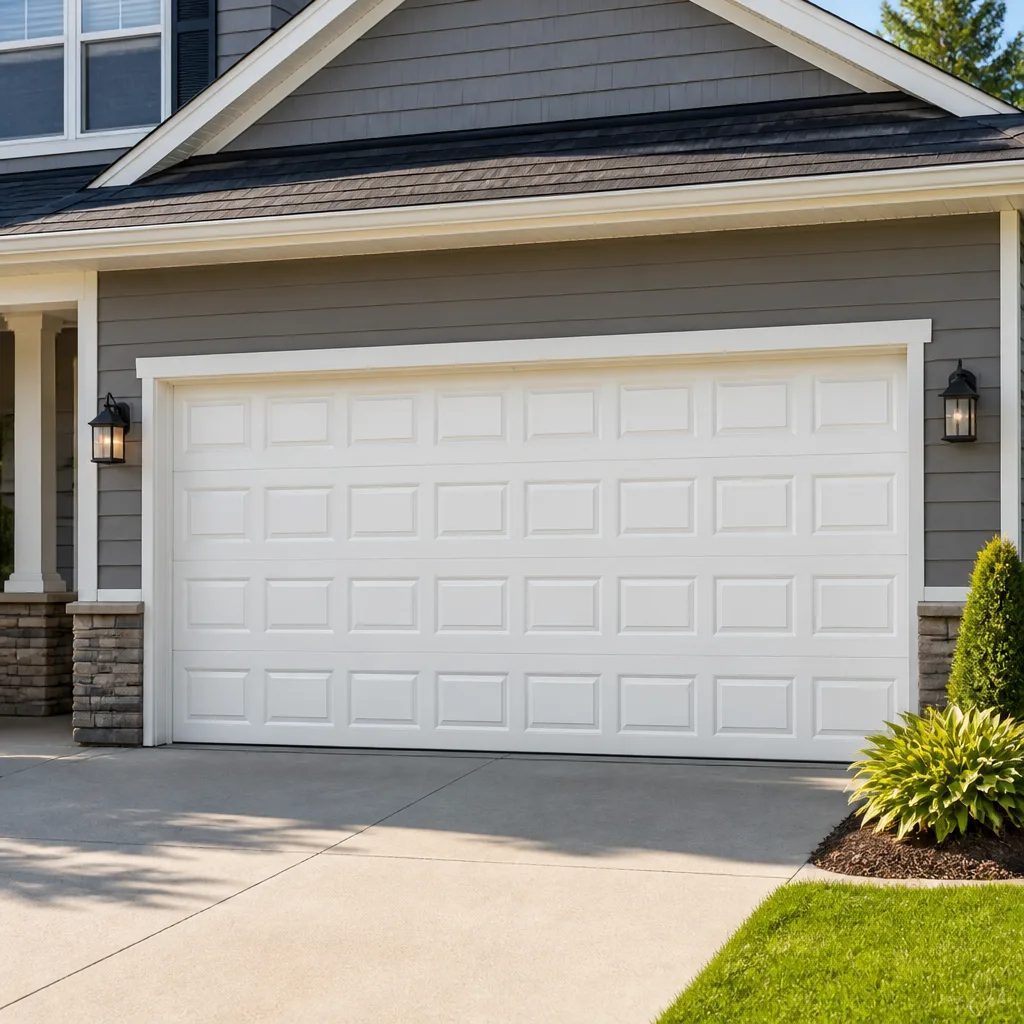
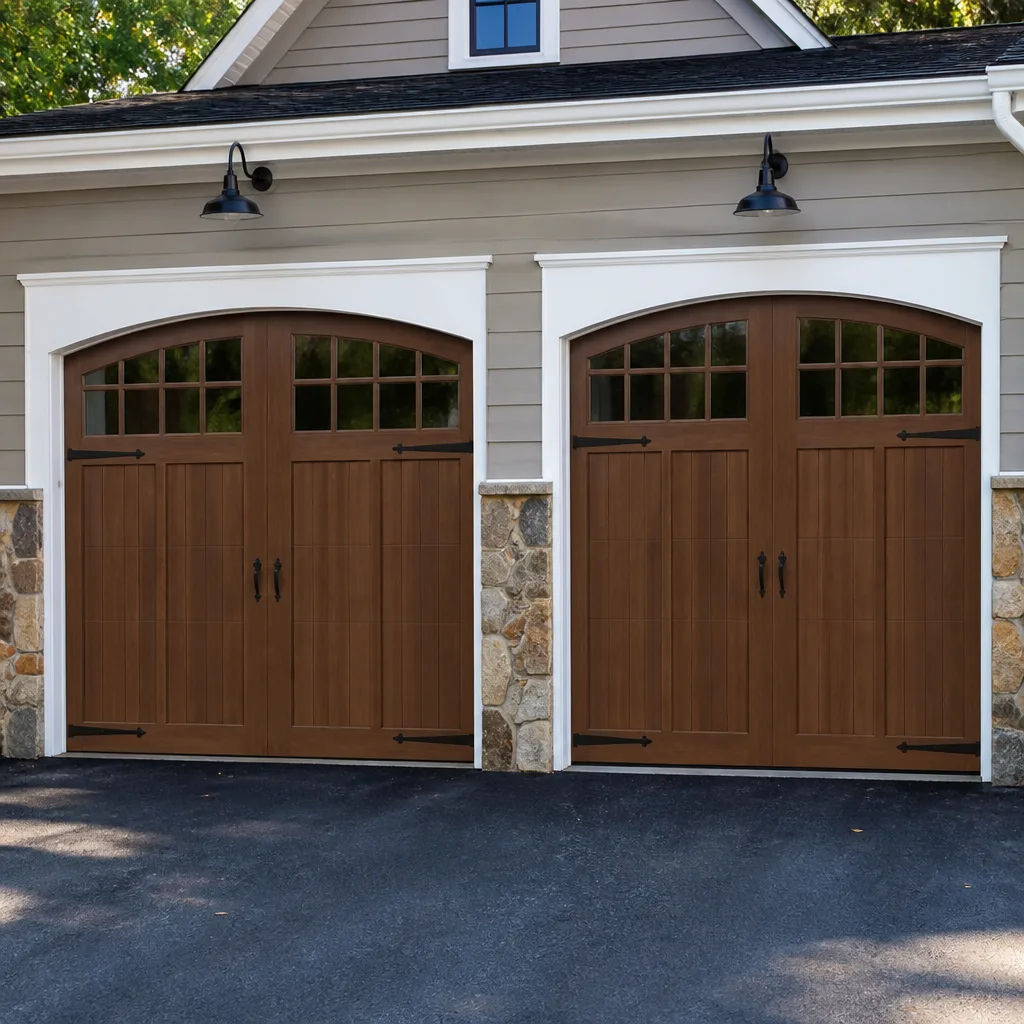
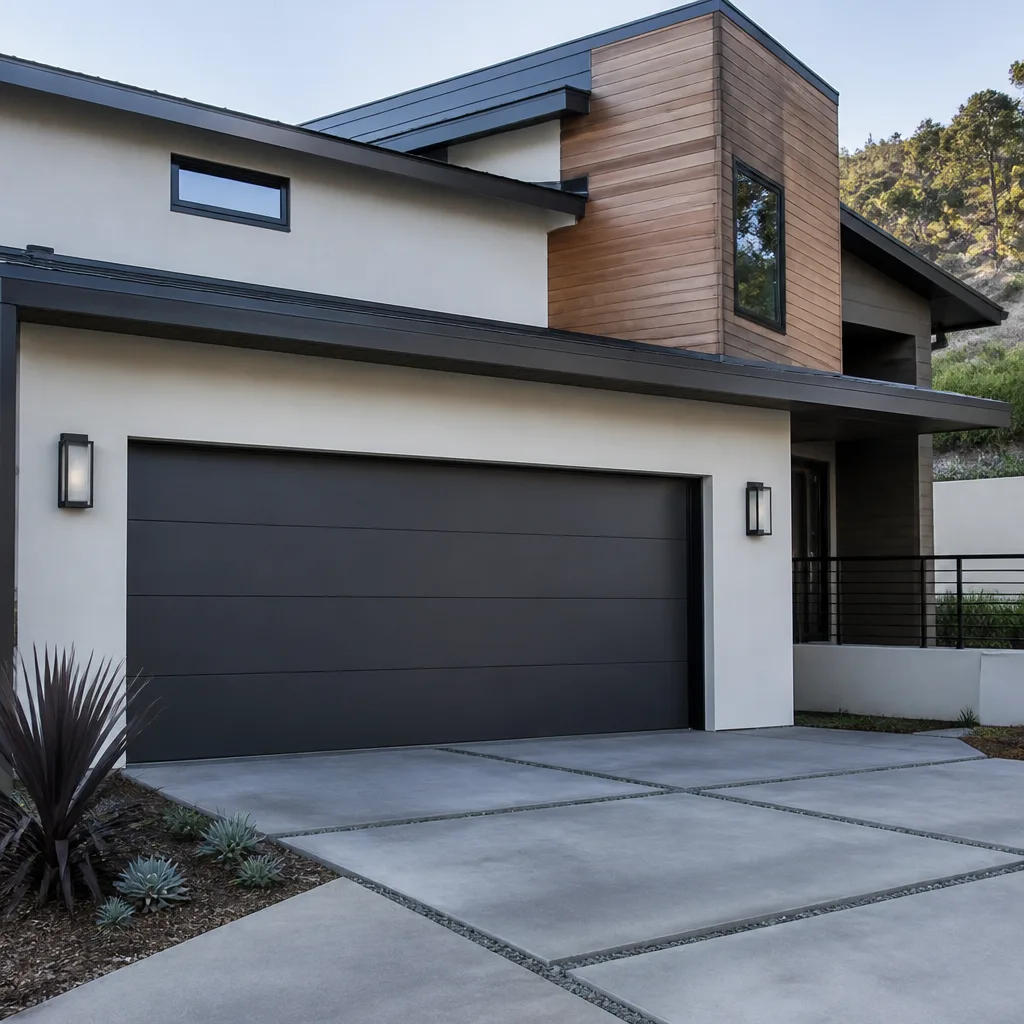
Full-view glass
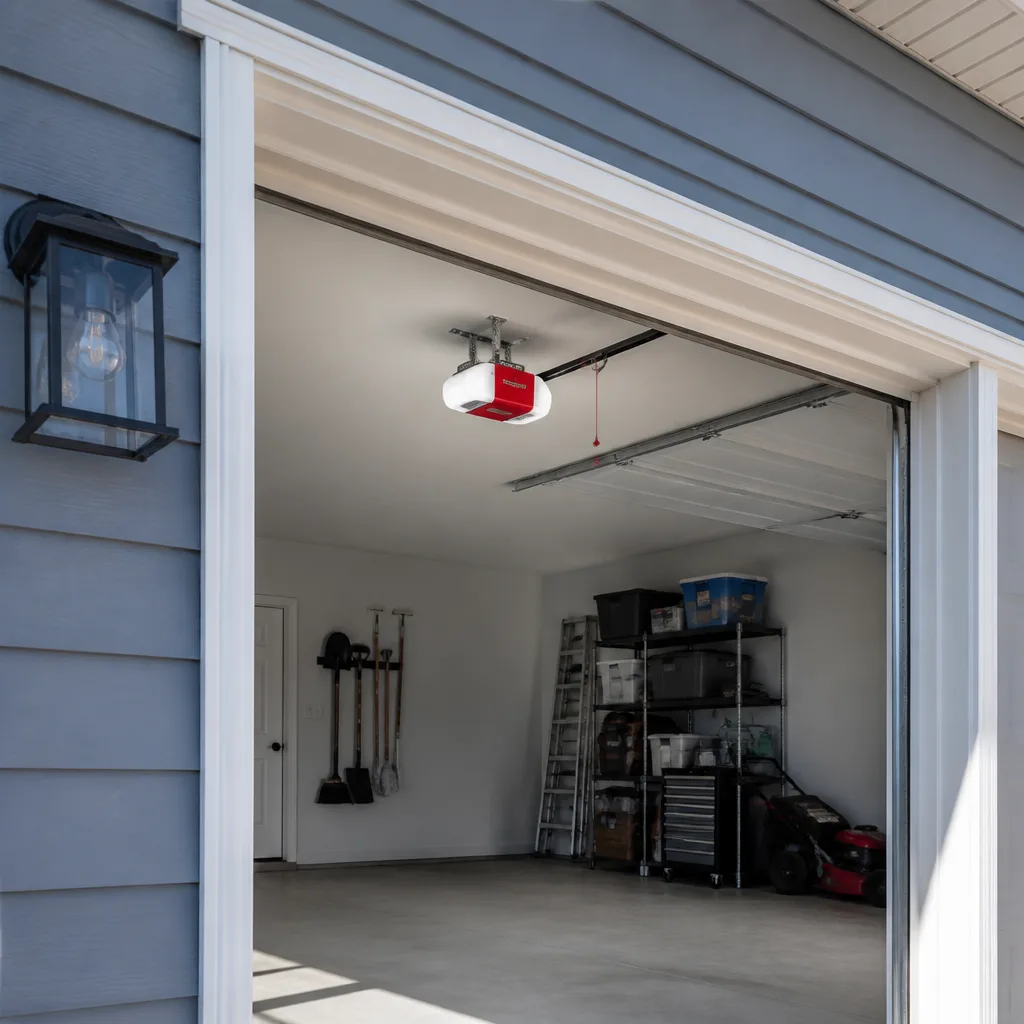
Chamberlain openers
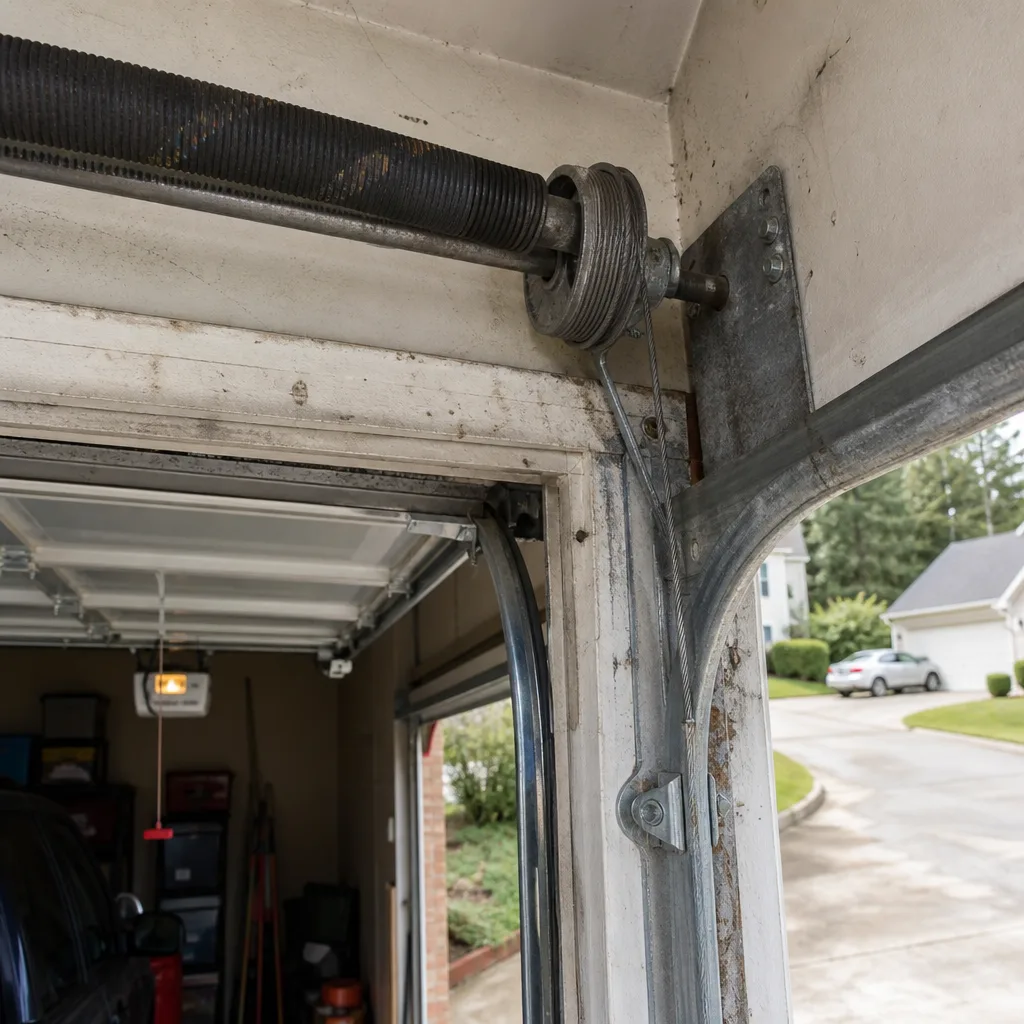 Before
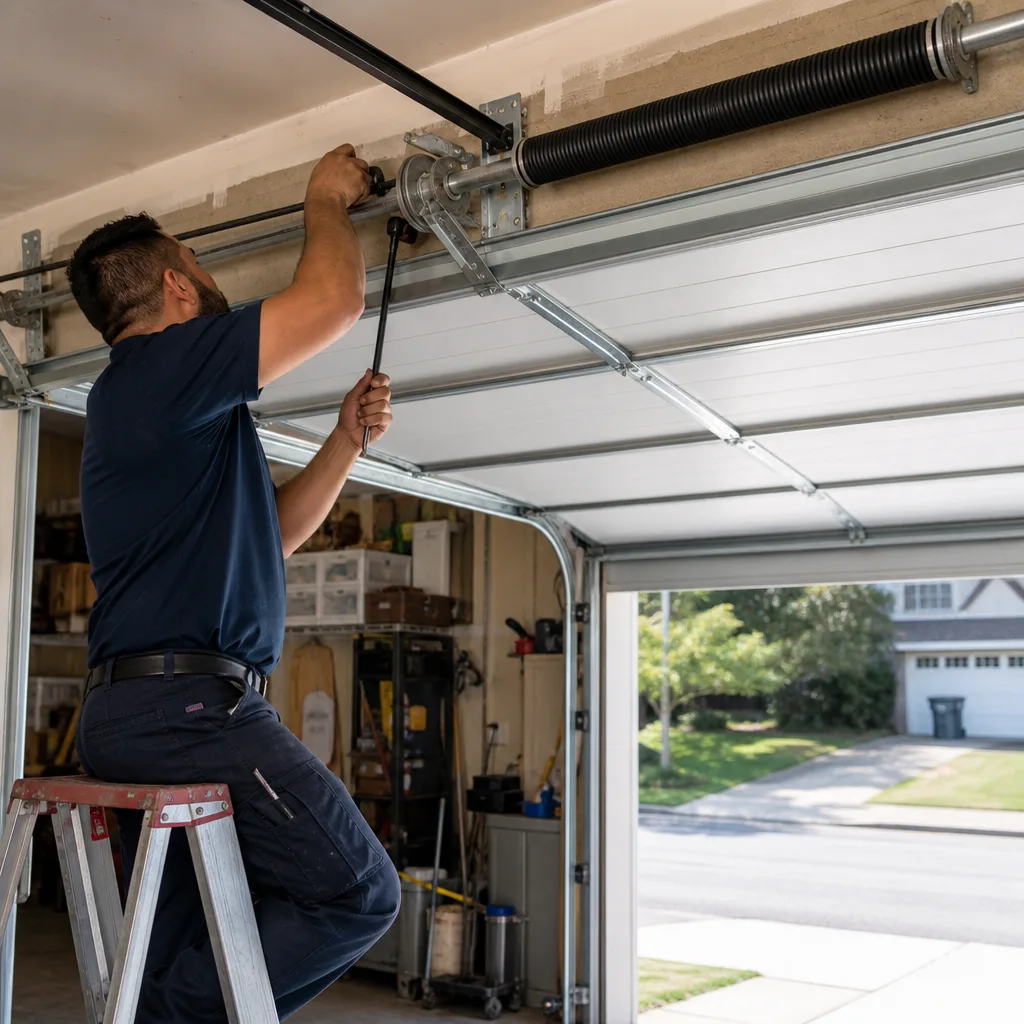 After
After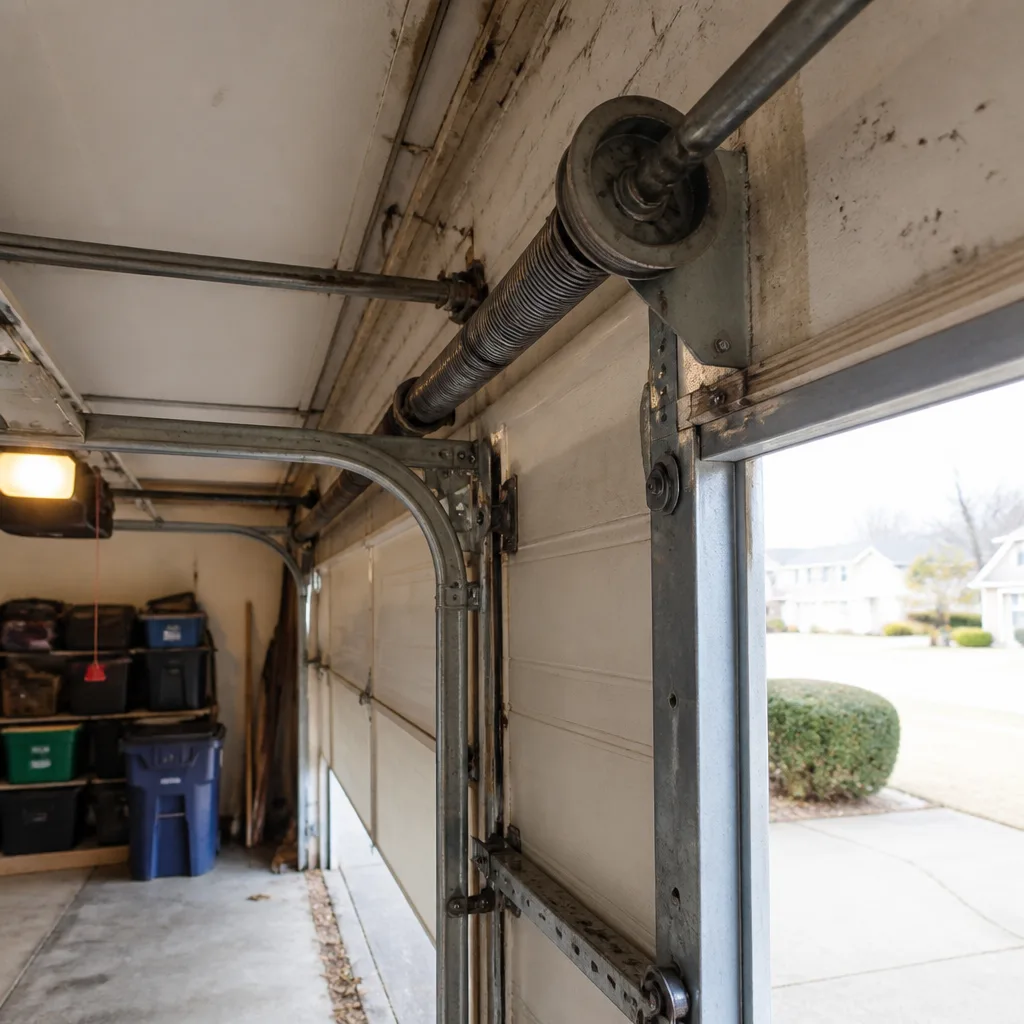 Before
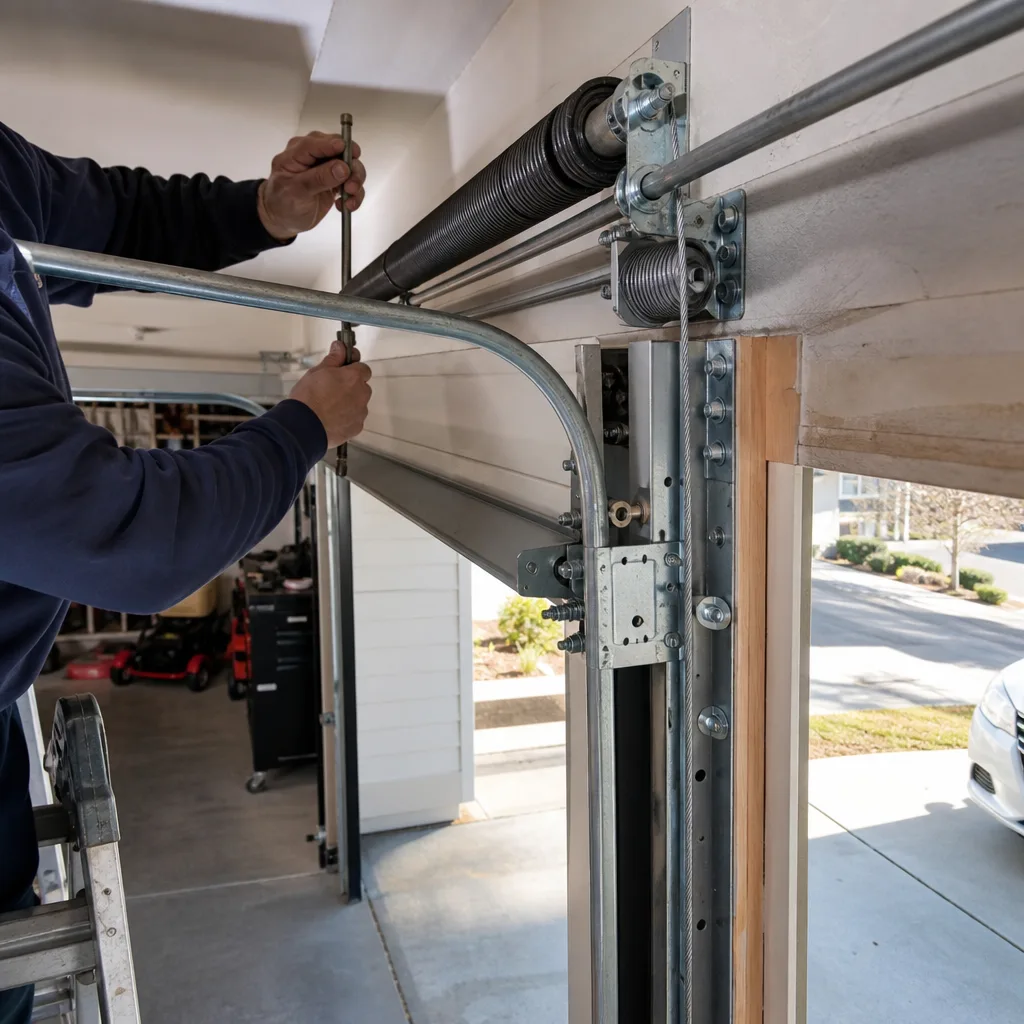 After
After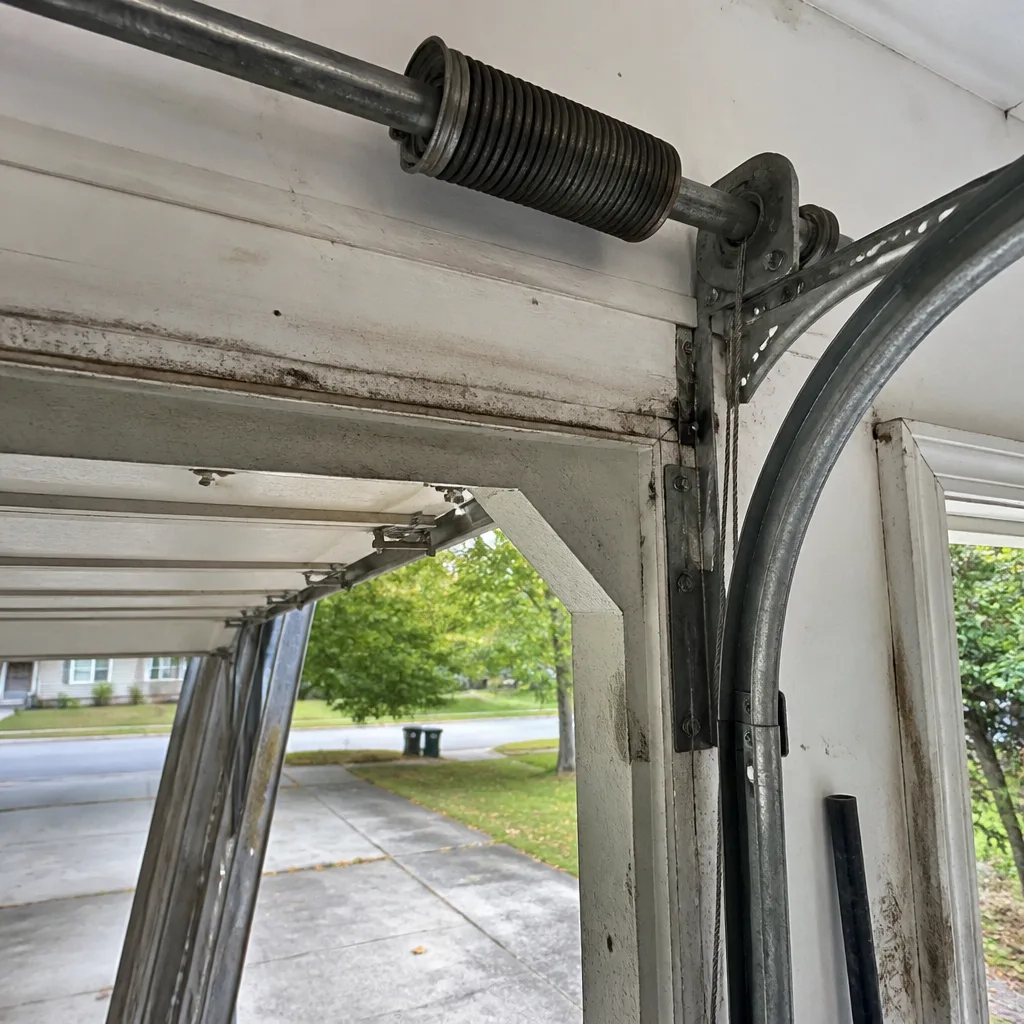 Before
 After
AfterGarage Door Cost Breakdown: The Lawrenceville Homeowner’s Reference for 2026
When a contractor quotes “$350 to replace your spring,” that number contains a part that retails for $40 to $80, labor that takes about 45 minutes, and a margin that can vary by 200% between shops. None of that is visible on the invoice. This guide unbundles every line item so Lawrenceville homeowners can see exactly what they’re paying for before signing anything. You’ll learn what each component actually costs at retail, what legitimate labor looks like in Gwinnett County, which fees should never appear on a bill, and how to compare two quotes that use different part numbers.
Quick Answer
Garage door repair in Lawrenceville, GA typically runs $150 to $400 for most component replacements in 2026, with torsion spring replacement at $180 to $340, opener installation at $350 to $650 including the unit, and full door replacement at $1,200 to $4,500 depending on material and insulation. Every legitimate quote should list parts and labor separately, in writing, before work begins. If a contractor won’t break down the price, that’s the first red flag.
Table of Contents
- Parts Cost Table: What Each Component Retails For
- Full Door Replacement Cost by Material in Lawrenceville
- Gwinnett County Labor Benchmarks for 2026
- Line Items That Should Never Appear on an Invoice
- How to Compare Two Quotes With Different Part Numbers
- What Written-Price-First Means in Practice
- Common Mistakes to Avoid
- When to Call a Professional
- Frequently Asked Questions
BeforeAfterParts Cost Table: What Each Component Retails For
The fastest way to understand a garage door quote is to know what the parts cost before labor enters the picture. Here’s the retail range for every major component we replace in Lawrenceville, followed by what a reasonable labor add-on looks like for each. These are 2026 figures based on what we see across Gwinnett County supply chains, and they hold whether you live in a 1990s subdivision near Sugarloaf Parkway or a newer build off GA-124.
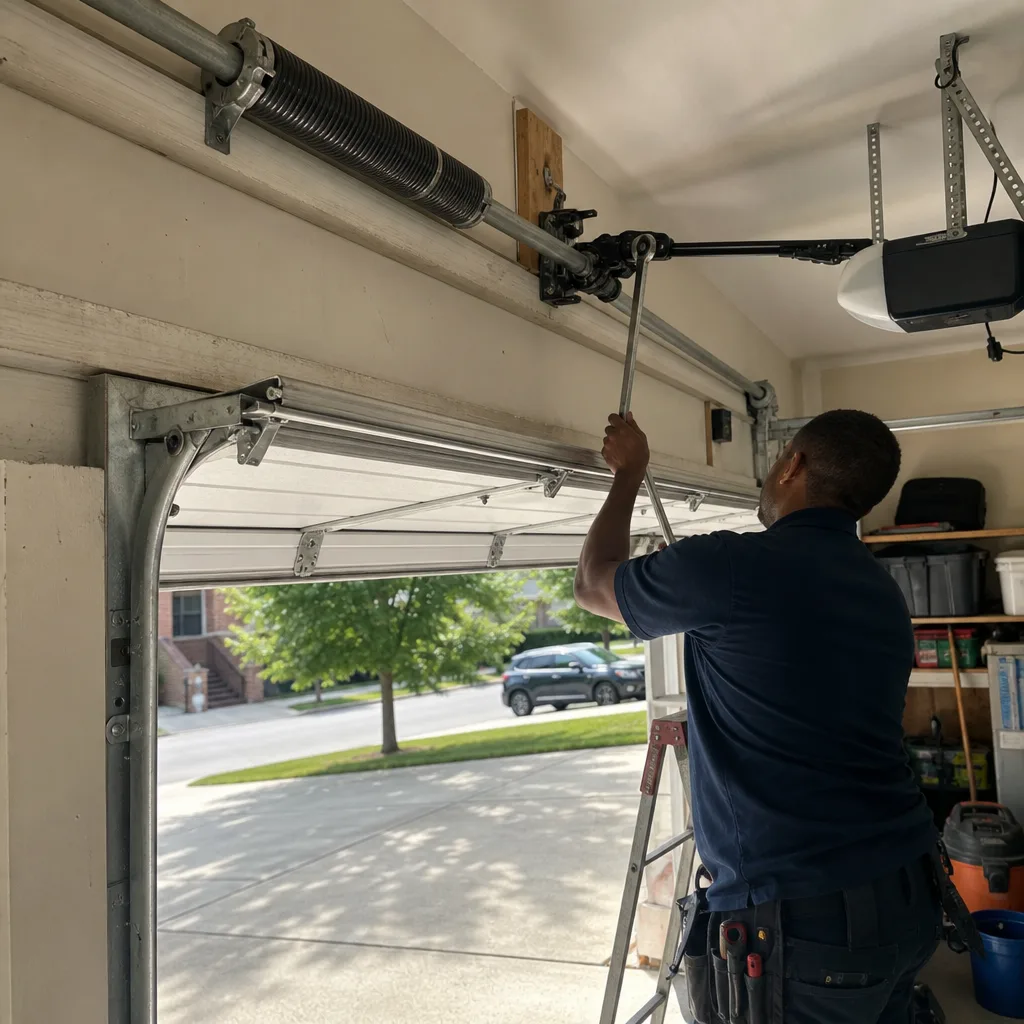
Torsion Spring
Retail: $40 to $80 per spring. Legitimate labor add-on: $120 to $180. Torsion springs are the long, coiled springs mounted above the door opening. They do the heavy lifting, counterbalancing the door’s weight so the opener only has to guide it. Most doors have two, and when one breaks, the other usually follows within months. Payload matters here: a spring rated for 30,000 cycles costs more than a 10,000-cycle spring, but it lasts three times as long. Ask which cycle rating you’re being quoted.
Extension Spring
Retail: $25 to $50 per spring. Legitimate labor add-on: $90 to $140. Extension springs stretch along the horizontal tracks on either side of the door. They’re common on older homes in Lawrenceville and on single-car doors. The safety cable that runs through them should be replaced at the same time. If a quote includes springs but no safety cables, ask why.
Cable
Retail: $15 to $35 per cable. Legitimate labor add-on: $50 to $90. Cables connect the bottom of the door to the spring system. They fray before they break, which is why a photo record matters. We photograph cables showing visible strands separating, because a frayed cable on Thursday is a snapped cable and a dropped door on Saturday morning.
Roller
Retail: $5 to $20 per roller. Legitimate labor add-on: $10 to $30 per roller installed. Rollers are the wheels that ride in the track. Nylon rollers run quieter and last longer than steel. A door has 10 to 12 rollers, and replacing them all at once is standard practice when several show wear. Nobody should charge you $50 per roller for a basic nylon unit.
Bottom Seal
Retail: $25 to $60 for the full seal. Legitimate labor add-on: $50 to $100. The bottom seal, sometimes called a U-seal or astragal, keeps water and leaves out and helps with the door’s energy profile. In Lawrenceville’s humid summers, a cracked seal also invites insects and increases cooling load. This is a quick replacement, and the labor should reflect that.
Panel
Retail: $150 to $400 per panel depending on material and window cutouts. Legitimate labor add-on: $100 to $200. Replacing a single panel is usually a stopgap, not a fix. The new panel’s paint will not match the existing panels exactly, even with the same manufacturer, because the old panels have years of sun and weather on them. We tell Lawrenceville homeowners this before they spend money on a single-panel replacement.
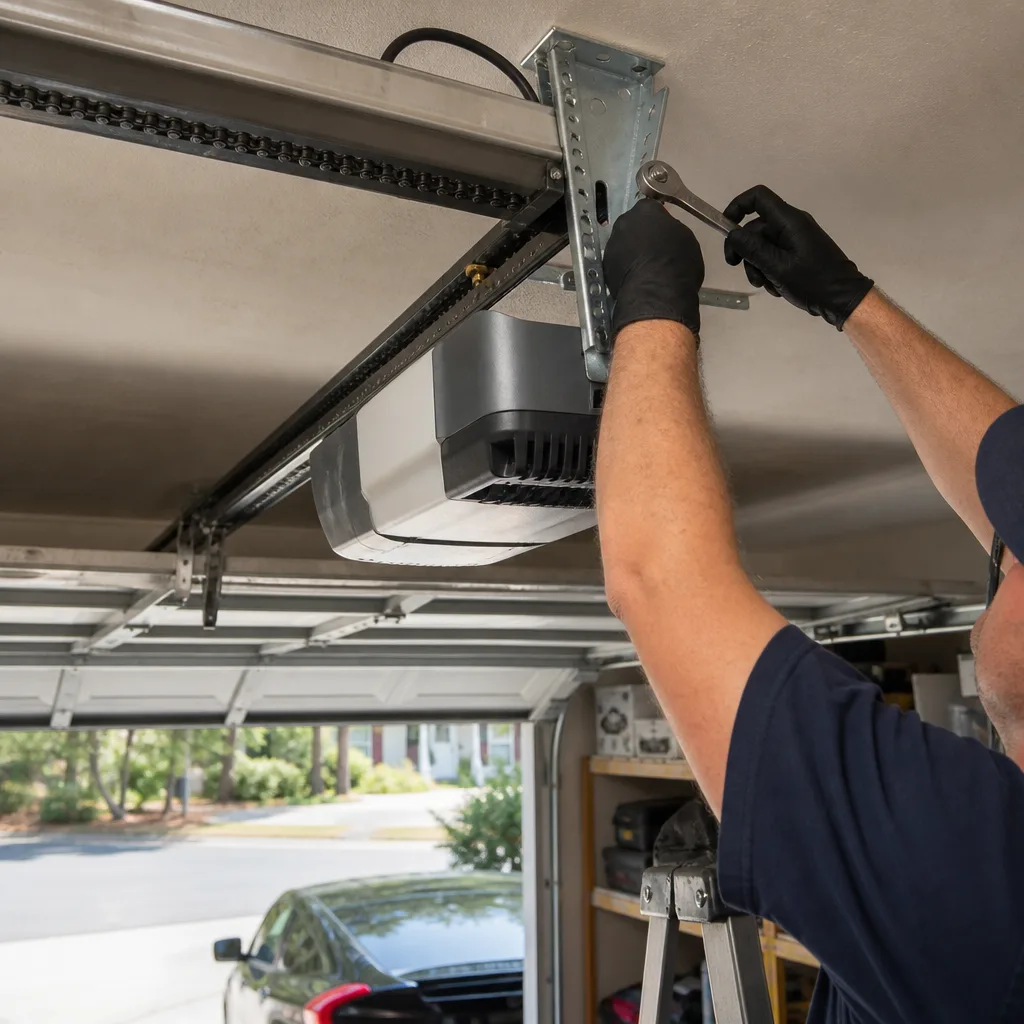
Opener (Motor and Head Unit Only)
Retail: $150 to $400 for the unit. Legitimate labor add-on: $150 to $250. The opener is the motorized head unit mounted to the ceiling. LiftMaster and Chamberlain units dominate what we install in Lawrenceville, and the price difference between a basic chain-drive and a belt-drive with battery backup is about $100 to $150 at retail. The unit price should be visible as its own line item on any quote.
The Labor Question
Here’s the thing that most guides won’t tell you: labor is not the same as margin. Labor covers the technician’s time, the truck, the insurance, the training, and the warranty that stands behind the work. Margin is what’s left after all that. When a shop quotes $350 for a spring that costs $60 and takes 45 minutes to install, that’s not $290 of labor. That’s roughly $120 of legitimate labor and $170 of margin. There’s nothing wrong with margin; businesses run on it. But homeowners deserve to know what portion of the quote is labor and what portion is markup, which is why Servo Garage Doors Lawrenceville home has written price-first quoting as Clause 1 of The Haven Standard.
Full Door Replacement Cost by Material in Lawrenceville
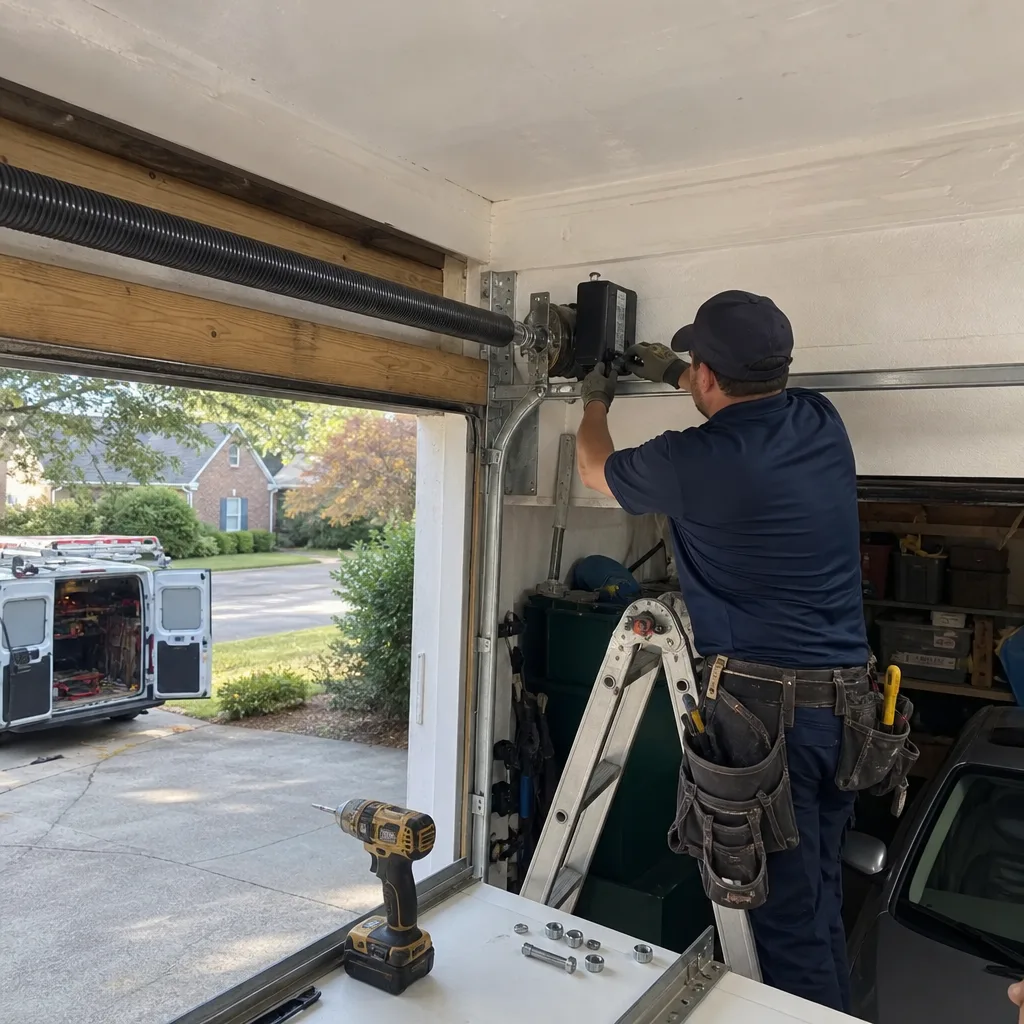
A full door replacement is the biggest single garage door expense most Lawrenceville homeowners will face, and the spread between a basic steel door and an insulated wood-composite unit from an Amarr or Clopay catalog is wide. Here’s what we quote in 2026, broken down by material, insulation tier, and window configuration, with typical install labor included.
Steel Doors: $1,200 to $2,800 Installed
Steel remains the default choice in Lawrenceville, and for good reason. A 25-gauge steel door with basic weatherstripping and no insulation runs about $1,200 to $1,500 installed for a single-car door. Step up to a 24-gauge door with an R-9 to R-12 insulated core, and you’re at $1,800 to $2,400. Add window panels across the top section, and expect another $150 to $400 depending on the glass package. Steel doors dent, but the newer models from Clopay and Amarr include a textured finish that hides small impacts better than the flat panel doors common on 1990s-era homes in the Russell Ridge area.
Fiberglass Doors: $1,800 to $3,800 Installed
Fiberglass doors resist denting better than steel and hold up well in Lawrenceville’s humid climate. They’re the right call for homeowners who park close to the door or have kids with bikes. The tradeoff is cost and a slightly narrower selection of panel profiles. Fiberglass doors can be painted on site, which means a color match to your trim is possible in a way it isn’t with factory-finished steel. Expect $1,800 for a basic non-insulated fiberglass door and $3,000 to $3,800 for an insulated model with windows.
Wood Composite Doors: $2,800 to $4,500+ Installed
Wood composite doors have the look of real wood without the maintenance of solid cedar. They’re built around a composite core and clad in a wood-grain skin, and they’re what we recommend when a Lawrenceville homeowner wants curb appeal and doesn’t want to spend every spring refinishing. Prices start around $2,800 and climb past $4,500 when you add decorative hardware, an insulated core above R-12, and custom window configurations. These doors are heavy, which means the spring system and opener may need adjustment as part of the install. A quote that doesn’t mention spring replacement alongside a door replacement is incomplete.
Insulation R-Value: Why It Moves the Price
R-value is a measure of thermal resistance, and it has a direct effect on door cost. A non-insulated door is essentially an R-2 or R-3 assembly. A polyurethane-injected door runs R-9 to R-12, and a premium double-layer door with a steel skin and insulated core can reach R-18 or higher. In Lawrenceville, where attached garages are common and summer heat soaks through an uninsulated door into the living space, we recommend R-9 minimum. The price difference between R-3 and R-12 is typically $300 to $700 depending on the door size and manufacturer. That’s real money, but it also shows up on the utility bill for as long as you own the home.
Window Configuration
Windows on a garage door serve two purposes: daylight and curb appeal. A single row of windows across the top section adds $150 to $300. Full-view doors, where the entire door is glass panels set in aluminum frames, start around $2,500 for a non-insulated version and can pass $4,000 for insulated glass. Windows also add weight, which changes the spring calculation. We see too many Lawrenceville homeowners buy a door with windows and then fight a door that’s too heavy for the original springs. The quote should account for spring replacement or adjustment whenever the door’s weight changes.
Gwinnett County Labor Benchmarks for 2026
Labor rates for garage door work in Gwinnett County have ticked upward over the past two years, driven by the same forces affecting every trade: insurance costs, vehicle costs, and a tight labor market. Here’s what we see as legitimate 2026 benchmarks for labor alone, exclusive of parts.
- Torsion spring replacement (single spring): $120 to $180 labor. This is a 45 to 60-minute job for a technician who has done it a thousand times.
- Torsion spring replacement (pair): $180 to $250 labor. The second spring goes faster once the tension is off the first side.
- Cable replacement (both sides): $80 to $140 labor. This job should never take more than an hour.
- Opener installation (customer-supplied unit): $150 to $250 labor. If the unit is included in the quote, the labor is often folded in, which is why the unit should appear as its own line item.
- Full door installation: $400 to $800 labor depending on door size, weight, and whether old-door disposal is part of the scope.
- Roller replacement (full set of 10 to 12): $100 to $150 labor. This can be done in under an hour, and it’s often the cheapest meaningful improvement you can make to a noisy door.
One note on geography: Lawrenceville sits at the higher end of Gwinnett County labor rates. Service areas that require more drive time from a centralized shop sometimes see lower rates because the shop is volume-driven. We don’t compete on being the cheapest. We compete on written pricing and a photo record that documents what was actually found, which is what Clause 4 of The Haven Standard requires.
Line Items That Should Never Appear on an Invoice
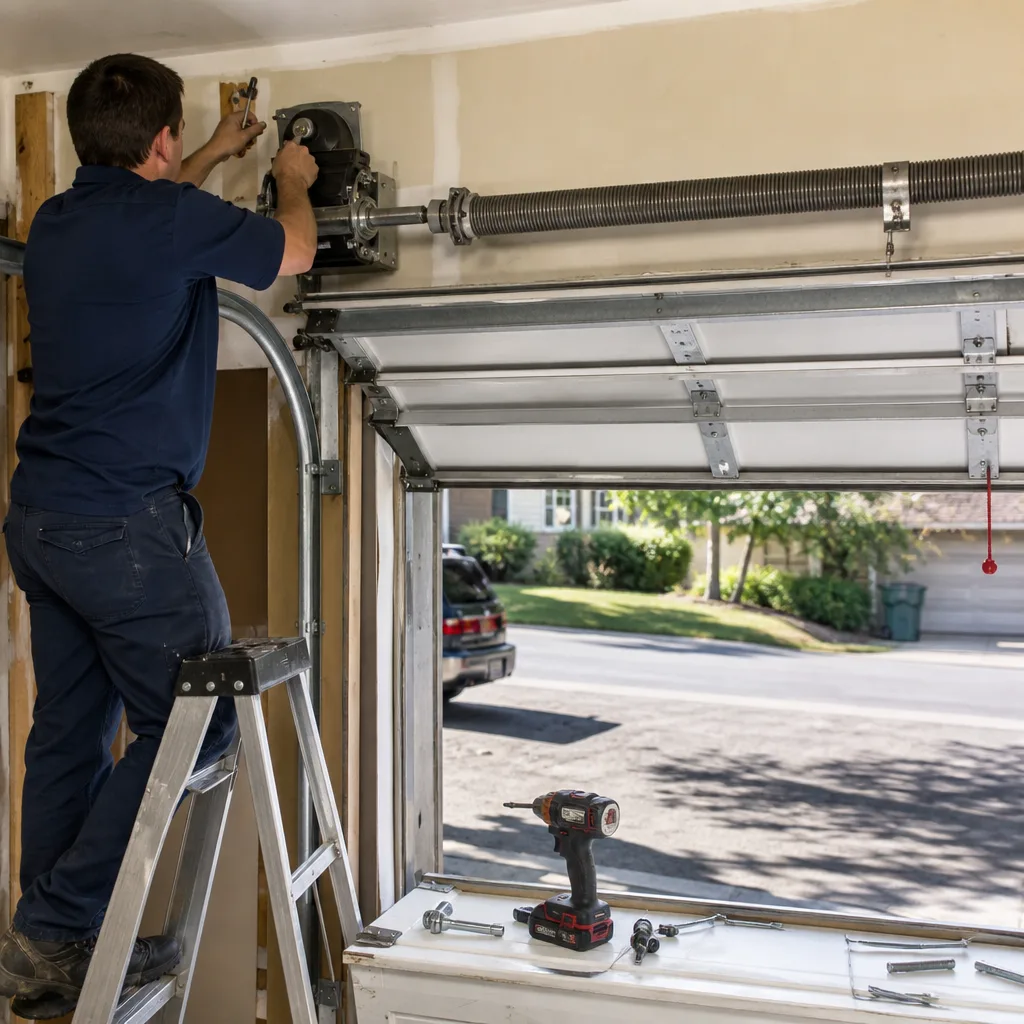
Every trade has invoice padding, and garage doors have their own set. These are the line items we tell Lawrenceville homeowners to question on sight, and the reasoning behind each one.
- “Trip charge” bundled into a repair quote. A trip charge on its own is legitimate if a technician shows up and no repair is authorized. But when a trip charge appears as a separate line item on top of a repair, it’s double-dipping. The labor line already covers the technician’s time, including the drive. We never charge a trip fee on a completed repair, and neither should anyone else.
- “Emergency fee” applied during standard business hours. An emergency fee for a 2 a.m. call on a holiday? That’s legitimate, and we charge it. An emergency fee on a Tuesday afternoon? That’s not an emergency. If the fee appears on a quote issued between 8 a.m. and 5 p.m. on a weekday, it’s padding.
- “Disposal fee” for a single spring. Disposal is real; hauling an old door to the landfill costs money. But a spring weighs six pounds and fits in a bucket. Anyone charging $40 to “dispose” of a torsion spring is inventing a line item. On full door replacements, a disposal fee of $50 to $100 is reasonable.
- “Shop supplies” or “miscellaneous materials” of more than $15. Bolts, brackets, and grease cost money, but the amount is trivial. When we quote a repair, those are inside the labor line. If a shop lists $75 in “shop supplies” on a spring replacement, they’re hiding margin.
- “Safety inspection” added to a repair without being requested. A good technician inspects as they work; it’s part of the job. Charging separately for it, especially when it wasn’t in the written scope, is a red flag. Clause 3 of The Haven Standard holds us to a written scope before work starts, and the inspection is inside that scope or it doesn’t happen.
- Round-number labor lines that don’t match the job. $200 labor to replace a bottom seal? We told you earlier that seal labor runs $50 to $100. When labor looks oddly round and oddly high for the work described, ask for the math.
How to Compare Two Quotes With Different Part Numbers
This is the scenario we hear about most from Lawrenceville homeowners: one quote says “spring replacement, $289” and another says “torsion spring, 0.250-inch wire, 28-inch length, 30,000-cycle, $340.” The second quote is from us or from a shop that thinks like us, but how do you know the second is actually better? The answer is a three-minute lookup, and here’s the process.
- Write down the part number or the full specification. A spring has a wire diameter, an inside diameter, and a length, and those numbers are printed on the spring itself or listed in the quote. A quality quote includes them. A vague quote says “one spring.”
- Look up the manufacturer’s cycle rating for that specification. Springs are rated in cycles, where one cycle is a full open-and-close. A 10,000-cycle spring lasts roughly seven to ten years with normal use in a Lawrenceville two-car household. A 30,000-cycle spring lasts roughly three times as long. The higher-cycle spring costs $15 to $30 more at retail. The quote should tell you what you’re getting, and if it doesn’t, the price difference between two quotes might be a cycle-rating difference, not a markup difference.
- Check whether the quote names a manufacturer. Wayne Dalton, Raynor, and Craftsman all make garage door hardware, but a spring from a known manufacturer with a traceable part number is a different product than a generic import. The difference matters for warranty and for the accuracy of the cycle rating. We install name-brand components because the warranty is enforceable, and because the part can be identified and replaced with an exact match later.
If you’re comparing quotes and one has part numbers and one doesn’t, the one with numbers is almost always the more honest quote. The one without numbers is asking you to trust the price without letting you verify anything. That’s exactly what The Haven Standard exists to prevent.
What Written-Price-First Means in Practice
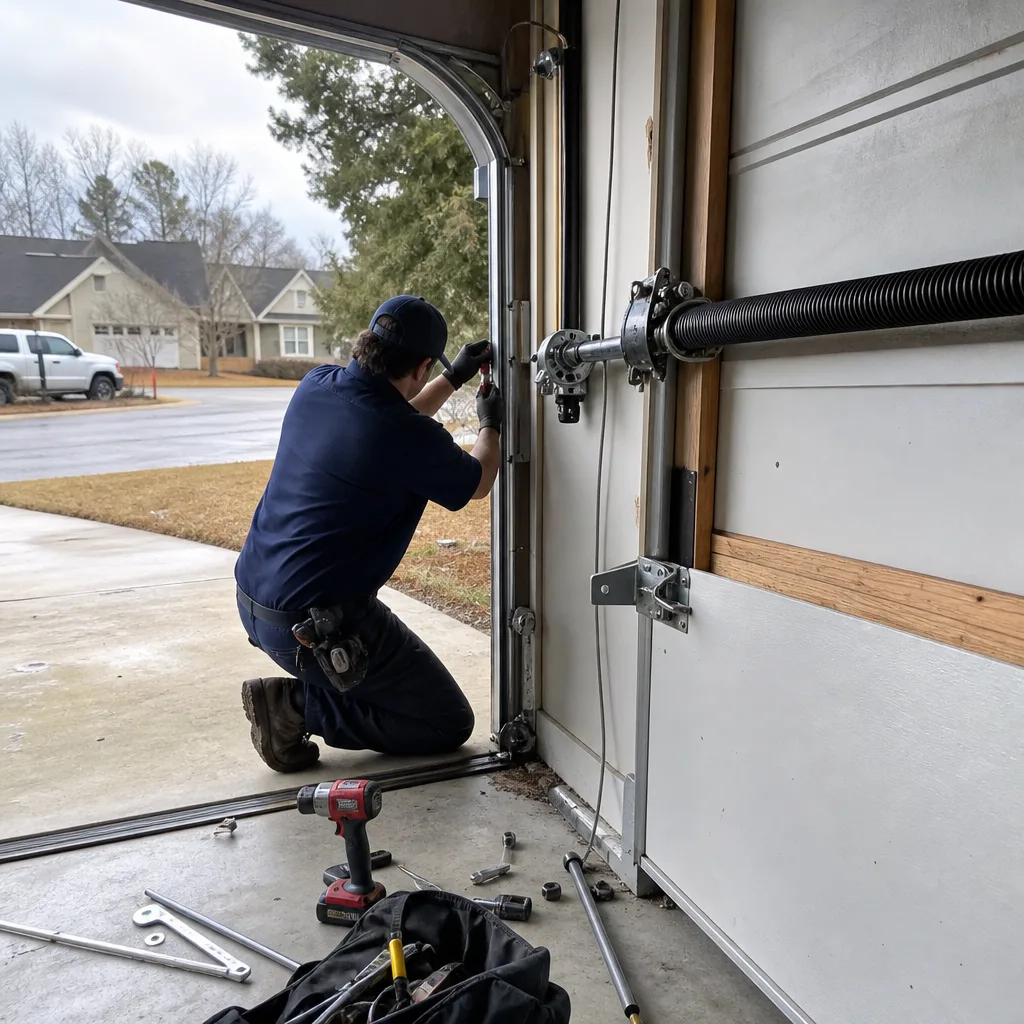
Here’s the scenario the brand was built to fix. A Lawrenceville homeowner calls a garage door company, gets a verbal estimate over the phone, and watches the technician “discover” additional work after the truck is parked in the driveway. The $200 repair becomes $500, the homeowner is now standing in the garage with a stranger holding a wrench, and the pressure to say yes is real. That’s not a sales process. That’s a hostage situation with extra steps.
Written-price-first means the quote is produced before work begins, it covers the full scope, and it doesn’t change. Clause 1 of The Haven Standard is explicit: a flat, written price and written scope are delivered before any work starts. Not after the inspection. Not after the technician calls the office. Before.
For that quote to be binding, three fields must be present:
- The exact work to be performed. “Replace right-side torsion spring with 0.250 x 2 x 28 spring, rated 30,000 cycles, and adjust left-side spring tension to match.” That’s a scope. “Fix spring” is not a scope, and any shop that writes “fix spring” is leaving themselves room to argue about what “fix” meant.
- The total price, with parts and labor separated. A single-line total tells you what you’ll pay. A two-line quote tells you what you’re paying for. The parts line confirms the component is legitimate. The labor line confirms the work is reasonable. If either one looks wrong, you can question it before the work starts.
- The warranty terms, including duration and what it covers. We warranty repair work for 365 days under the 365-Day Done Right Promise. If it’s not right, we make it right. That promise should be in writing, not described over the phone. If a quote doesn’t state the warranty, assume there isn’t one.
This isn’t a courtesy we extend to Lawrenceville homeowners when they ask. It’s the rule every job follows, which is why our quotes are suitable for filing and our customers can hold us to them.
Common Mistakes to Avoid
- Accepting a verbal estimate and letting the work begin. A verbal number can become a different number the moment the technician finds “something else.” If the price isn’t on paper, the work shouldn’t start. In Lawrenceville, no legitimate shop should resist putting a price in writing.
- Replacing one torsion spring and not the pair. Springs are designed as a matched set. When one breaks, the other is statistically close behind. Replacing one saves $60 to $100 today and costs a second service call in six months. The math rarely works.
- Choosing the lowest cycle rating to save money. A 10,000-cycle spring saves about $20 versus a 30,000-cycle unit. It also means a second replacement in seven to ten years instead of twenty, and a second labor charge. That $20 “saving” costs $200 to $300 over the life of the home.
- Not asking what brand the parts are. LiftMaster, Chamberlain, and Genie are names Lawrenceville homeowners know, but garage door hardware from Raynor and Wayne Dalton is also field-proven. If a shop won’t tell you what they’re installing, they’re either embarrassed or hedging. Neither is acceptable.
- Replacing a door without addressing the opener. A new heavy door on an old opener leads to a burned-out motor and a second bill. Any complete door quote should include an assessment of the opener, or at minimum a note about compatibility.
- Ignoring the photo record question. Ask any shop whether they photograph what they find before quoting. If the answer is no, you’re buying labor on faith. Clause 4 exists because a photograph of a broken spring with a clean break at the coil is documentation, not interpretation.
- Skipping the written warranty language. “We guarantee our work” is not a warranty. “Parts and labor covered for 365 days, details on the invoice” is a warranty. Get the second one, in writing, or don’t sign.
When to Call a Professional
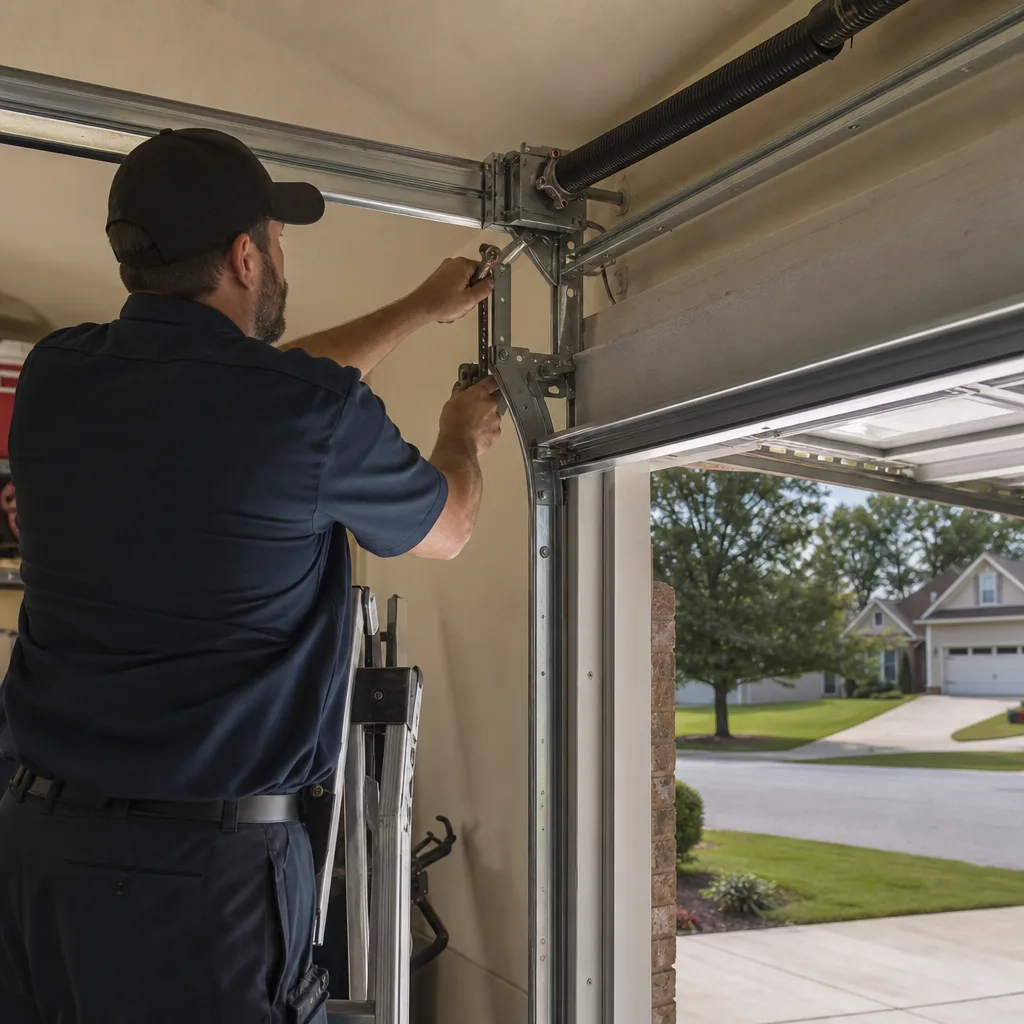
Torsion springs carry enough tension to remove a finger or worse if mishandled. Cables under tension can lash. Doors weigh 150 to 400 pounds, and a door that comes off its track can fall faster than you can move. If the problem involves the spring, the cables, the track, or the opener’s logic board, the job belongs to a trained technician with the right tools and the right insurance. We’ve seen the aftermath of do-it-yourself spring replacement in Lawrenceville, and it’s never cheaper than a service call. If your door won’t open, makes a sharp popping sound, or shows a visible gap in a spring coil, stop using the door and call. Servo Garage Doors Lawrenceville offers free estimates in Lawrenceville at (470) 202-3917, with written pricing before any work starts.
Frequently Asked Questions
Most garage door repairs in Lawrenceville run $150 to $400 in 2026, with torsion spring replacement at $180 to $340, cable replacement at $100 to $200, and roller replacement at $150 to $300 for a full set. These figures include parts and labor. Call (470) 202-3917 for an exact written quote; estimates are free.
Yes, most common repairs are completed the same day, including spring replacement, cable replacement, and roller work. We answer calls live around the clock, including weekends and holidays, and emergency calls are dispatched with a named technician and an on-the-way text. Visit our Emergency Garage Door in Lawrenceville page for specifics on response times.
An opener installation in Lawrenceville runs $350 to $650 in 2026, including the unit, labor, and basic wiring. The unit itself retails for $150 to $400 depending on drive type and features. For dedicated pricing information, see our Garage Door Opener Repair & Installation in Lawrenceville page or call (470) 202-3917.
With Servo Garage Doors Lawrenceville, it will not. Clause 1 of The Haven Standard requires a flat, written price and written scope delivered before any work starts. If unexpected additional work is found mid-repair, we stop, document it with photos, issue a new written quote, and get your approval before touching anything else. The price you sign is the price you pay.
Our trucks carry torsion springs in common wire diameters and lengths, extension springs, cables, rollers, bottom seals, and opener parts including logic boards and trolley carriages. For less common parts, we can usually source them the same day from local distributors. Check our Garage Door Parts in Lawrenceville page for a full list of what we stock.
A typical steel door lasts 15 to 30 years in Lawrenceville’s humid, hot climate, with the spring system lasting 7 to 10 years and the opener lasting 10 to 15 years. Regular maintenance, including roller replacement and spring lubrication, extends those numbers. The bottom seal degrades fastest here because of summer heat and insect exposure, so inspect it at least twice a year.
The Bottom Line
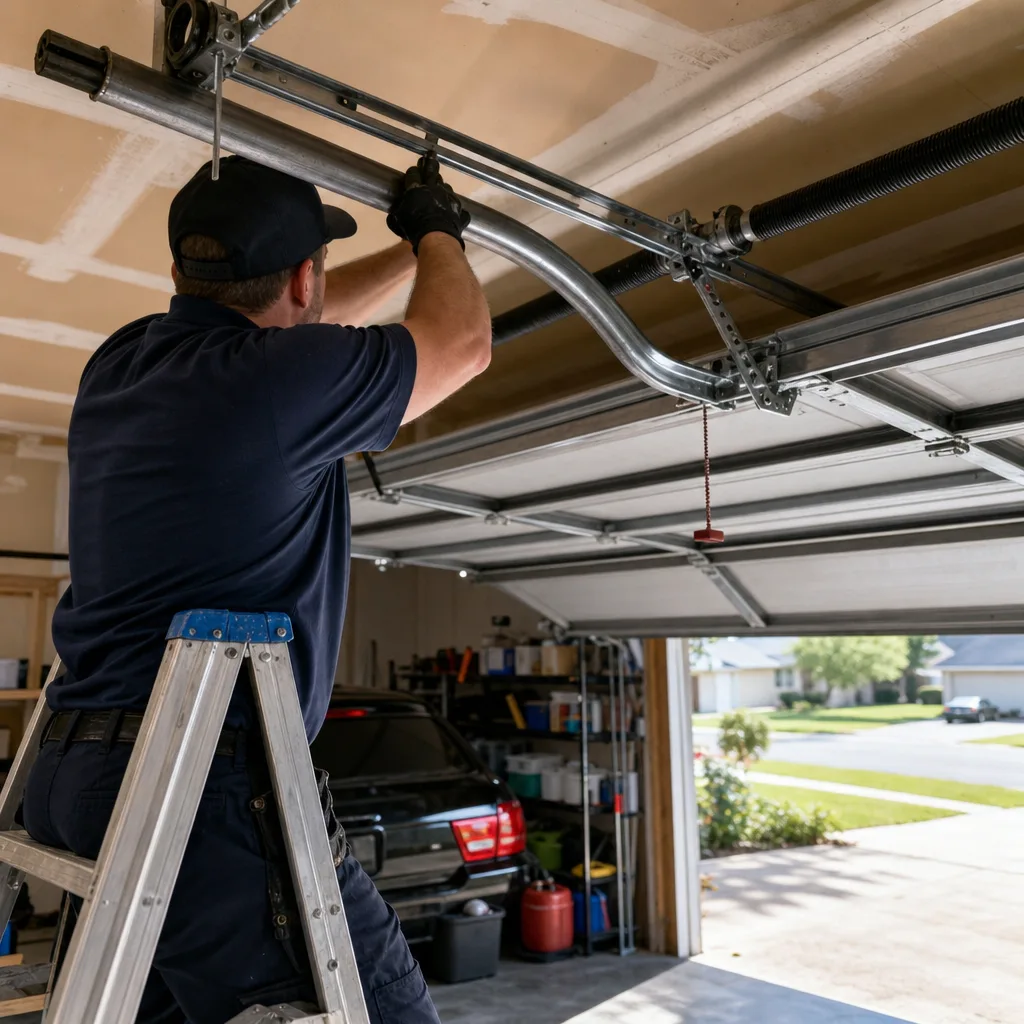
Lawrenceville garage door pricing looks opaque because most quotes hide the component cost, the labor rate, and the markup inside a single number. This guide unbundled all three. Parts are cheap; what you’re paying for is skilled labor, proper warranty coverage, and documentation that proves the work was real. A written quote with parts and labor separated is the minimum standard for informed consent. A photo record of the failed component is the next level up. Both are what The Haven Standard codifies, and both are what you should demand before any technician touches your door. Servo Garage Doors Lawrenceville has operated this way since 2015: a written price before work begins, and a documented record when the work is done.
Call (470) 202-3917 for a free, written estimate on any garage door work in Lawrenceville, GA.
Written by Marcus Deller, Owner at Servo Garage Doors Lawrenceville, serving Lawrenceville since 2015.