
Last updated September 20, 2026
Full 25-point door and opener safety check with every visit - springs, cables, rollers, tracks, and your LiftMaster or Chamberlain opener included
You get a price before we start. It does not change when the truck arrives.
Full-view glass
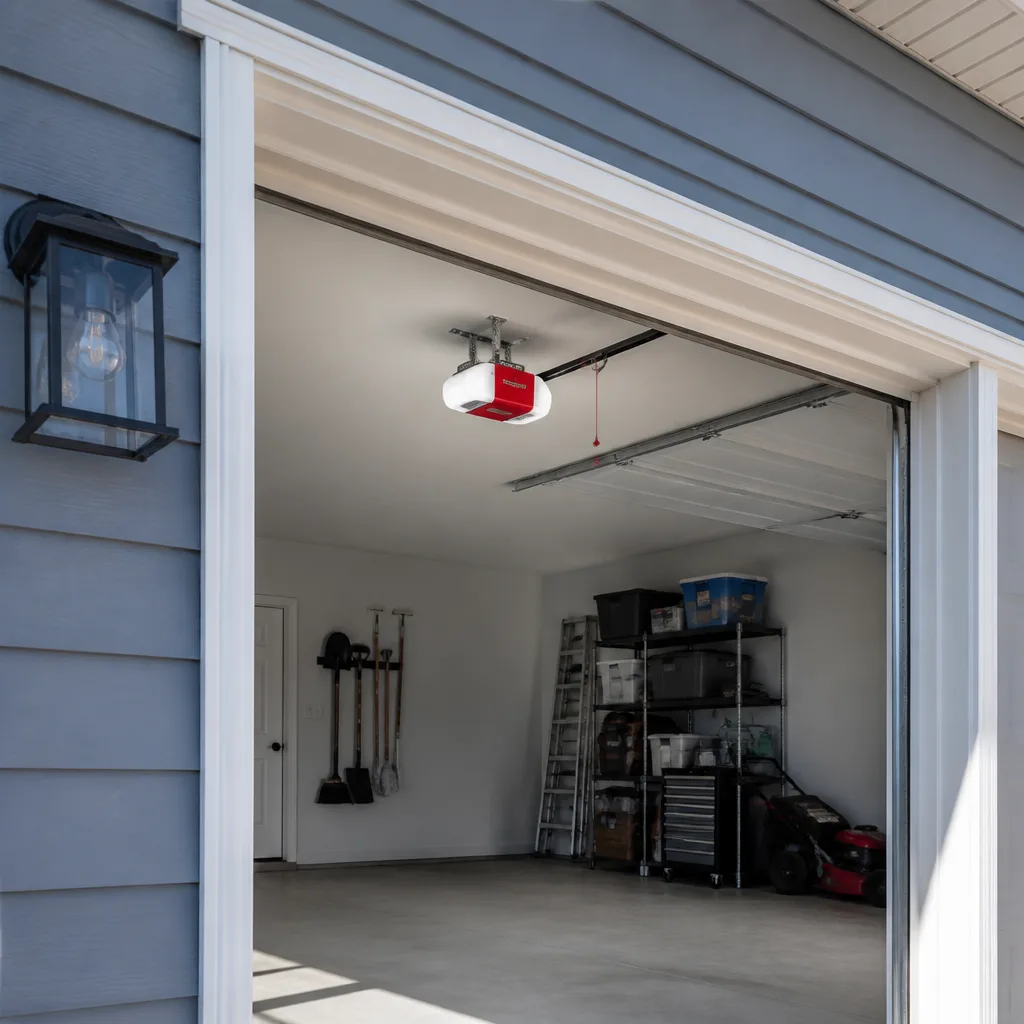
Chamberlain openers
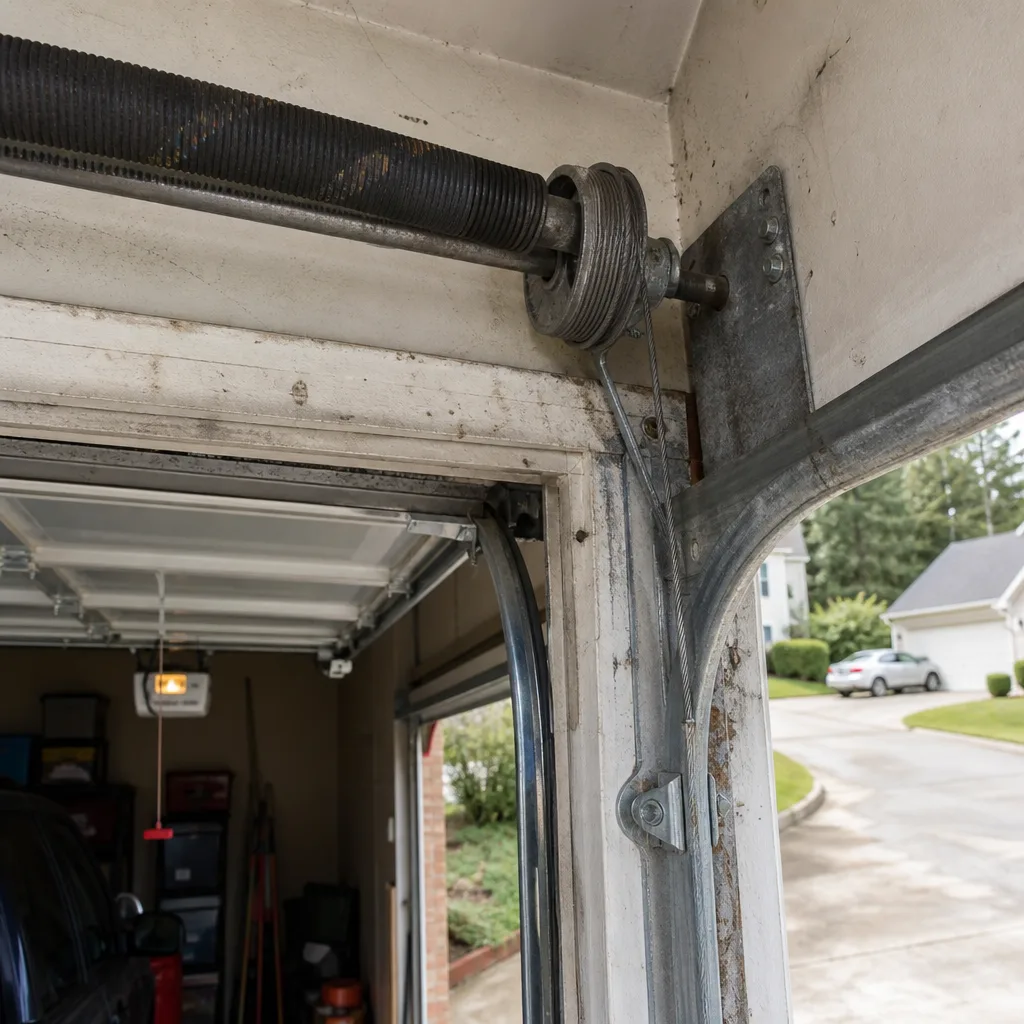 Before
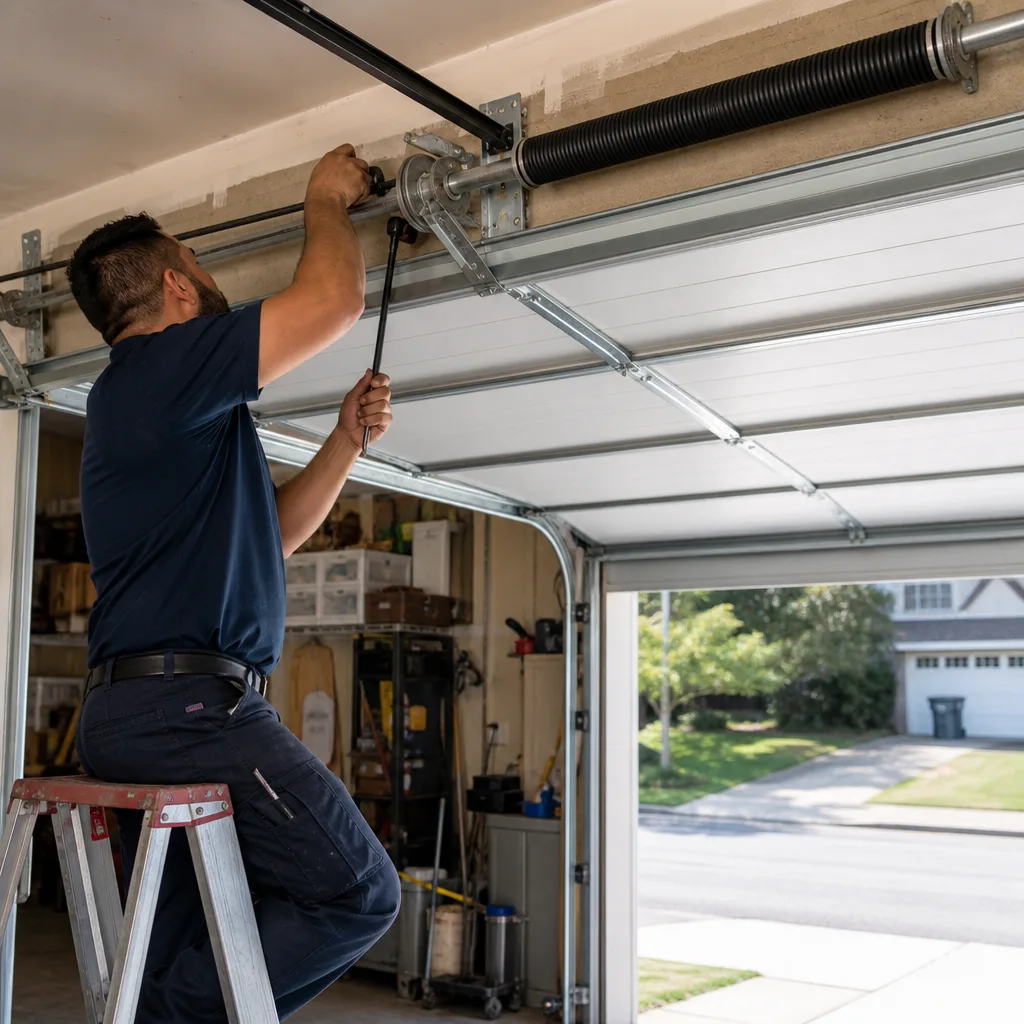 After
After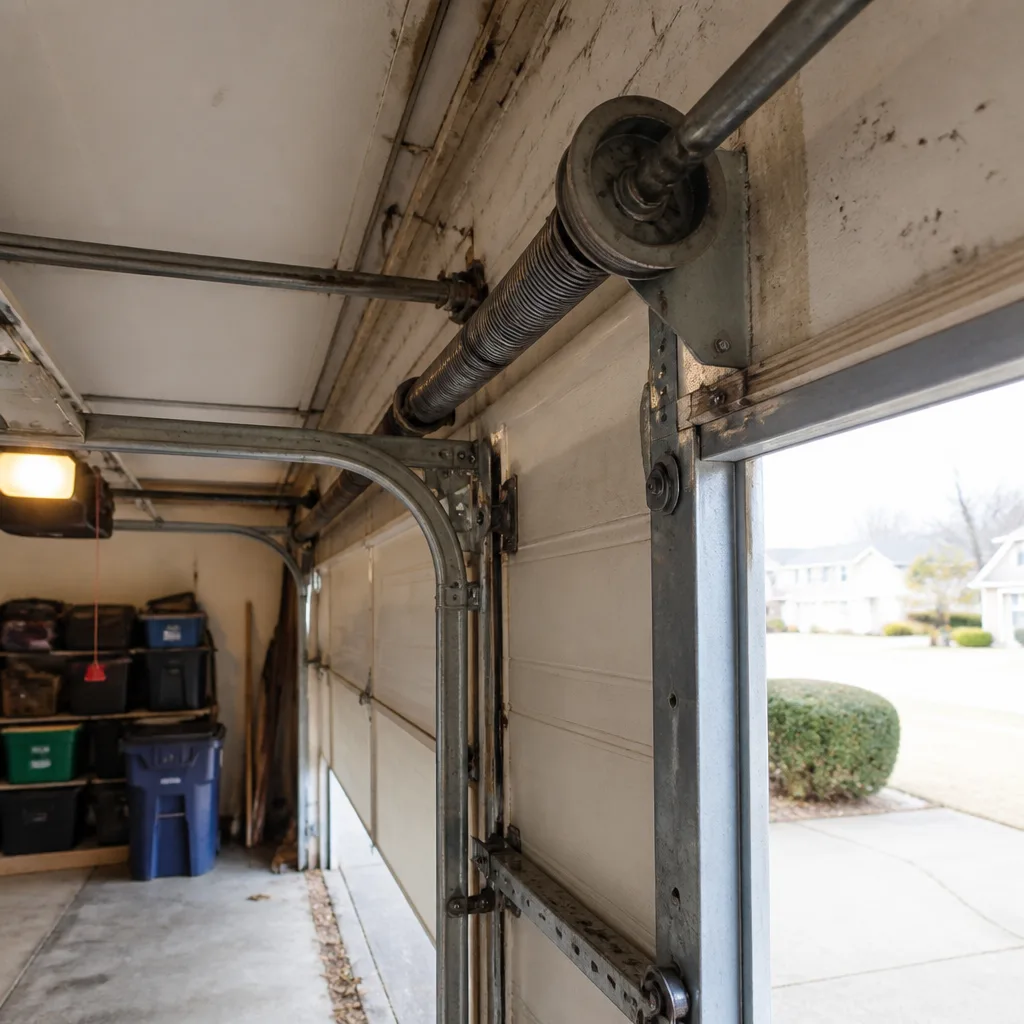 Before
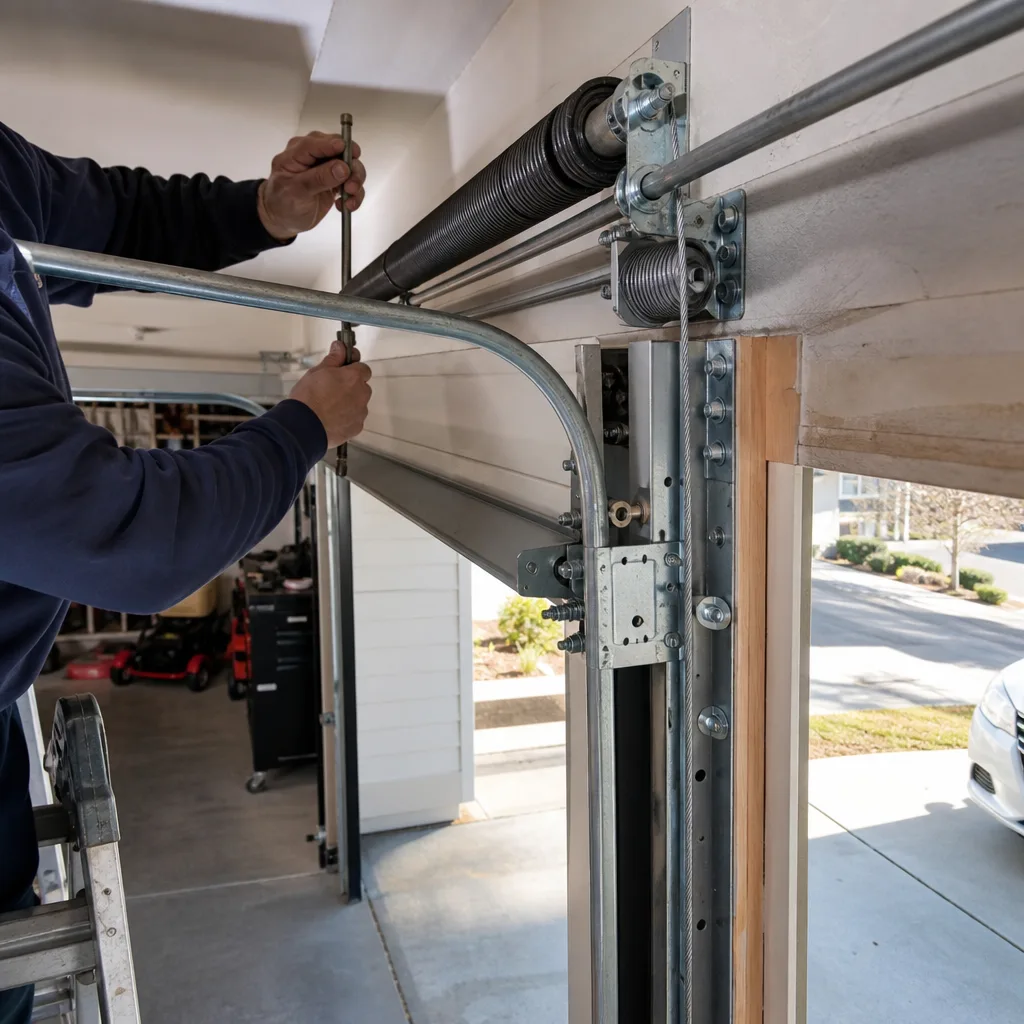 After
After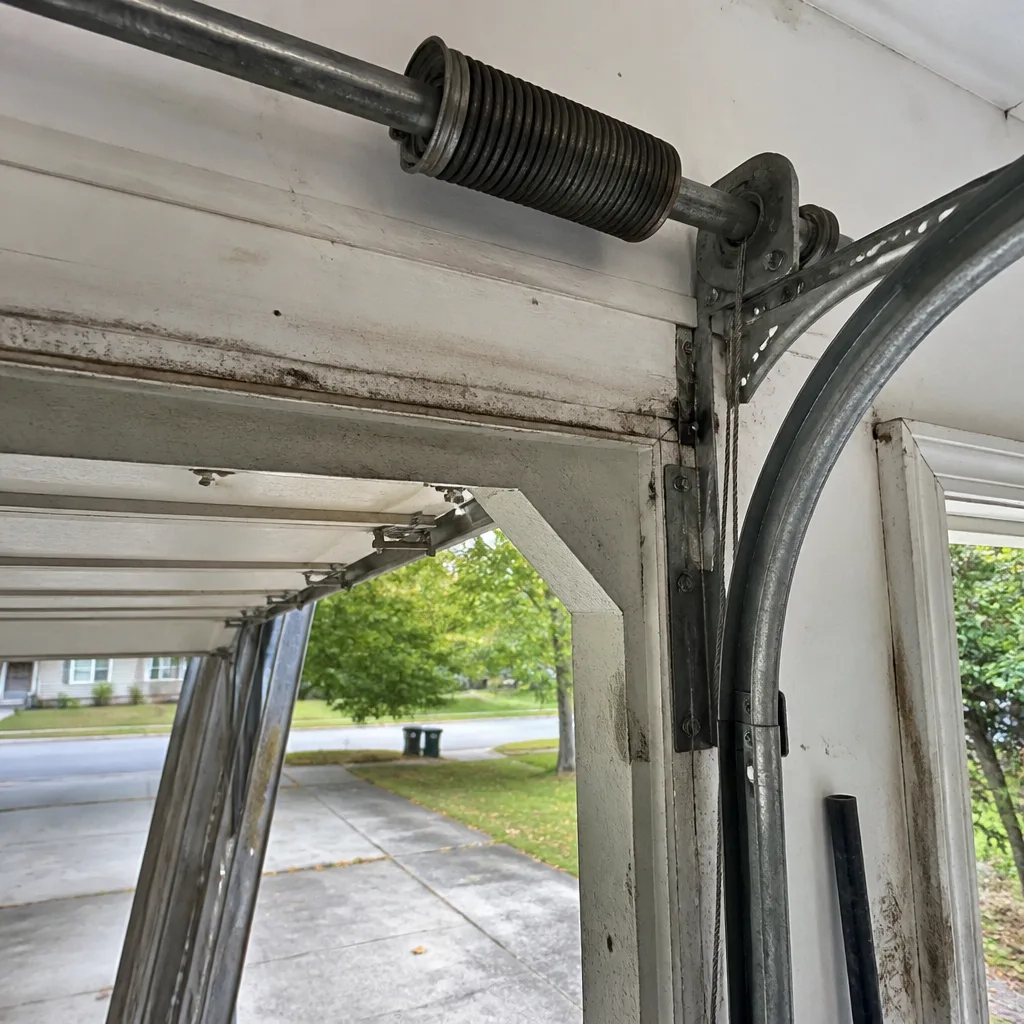 Before
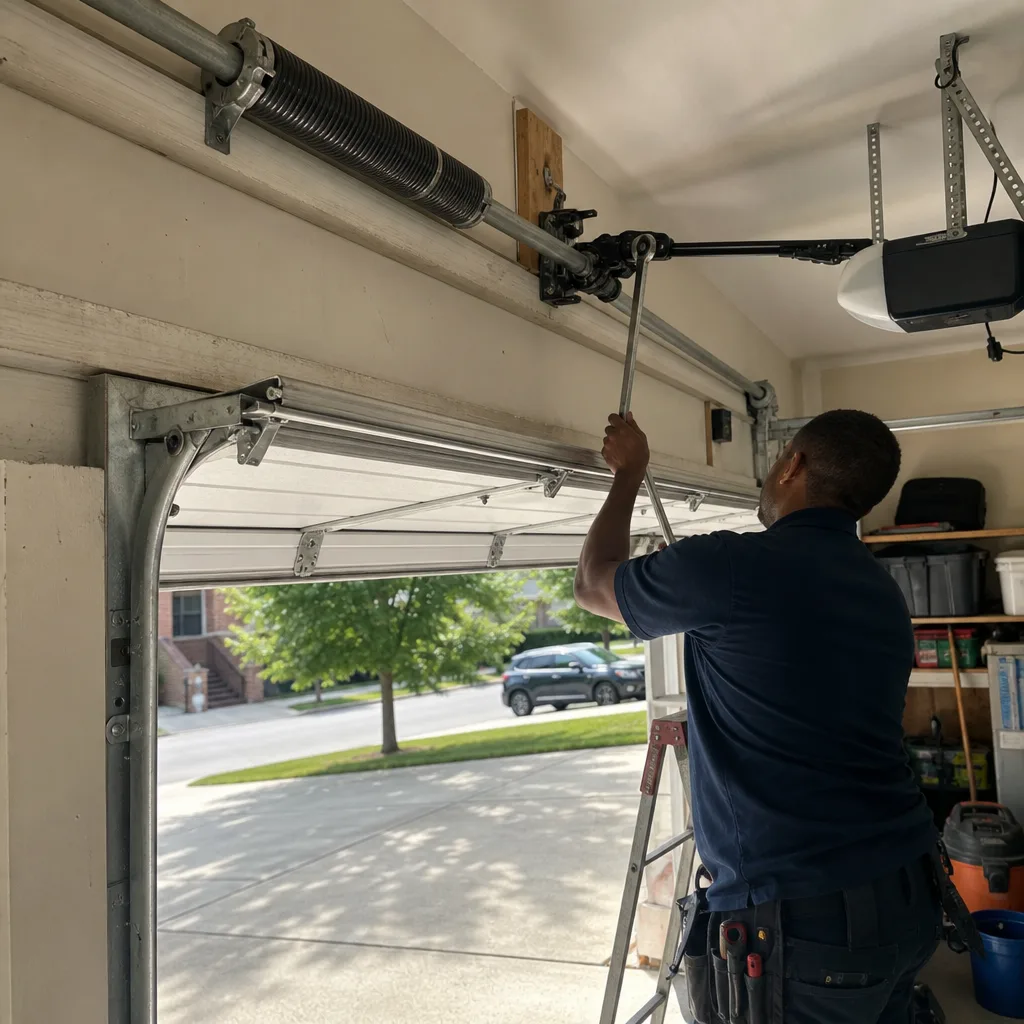 After
AfterGarage Door Permits, Codes & Inspections in GA: What You Need to Know
A $1,200 garage door replacement that skips a $45 permit can surface as an unpermitted alteration on a home inspection report and delay or kill a sale years later. Most Georgia homeowners never think about garage door permits until a closing attorney asks for the permit history on a Lawrenceville property. This guide covers Georgia’s statewide baseline, exactly where Gwinnett County deviates, and how to check permit history before you buy or list.
Quick Answer
In Georgia, a like-for-like garage door replacement that does not alter the header, framing, or structural opening typically does not require a permit. However, new construction, structural header modifications, and fire-rated door replacements each trigger Gwinnett County permit requirements. If the opening changes size or the framing is touched, you need a licensed contractor to pull a permit before work starts-our How to Hire a Garage Door Contractor in Lawrenceville: A Step-by-Step Guide explains what to look for.
Table of Contents
- Georgia’s Statewide Permit Baseline
- Where Gwinnett County Deviates
- The Like-for-Like Exemption: What Qualifies
- Fire-Rated Doors: The Requirement Most Homeowners Miss
- Contractor Verbal Assurances and Your Liability
- How to Pull Permit History on a Gwinnett County Property
- Unpermitted Garage Work: Remediate vs. Disclose
- What Permits and Inspections Actually Cost in Lawrenceville
BeforeAfterGeorgia’s Statewide Permit Baseline
Georgia is a home-rule state for building codes, which means the state adopts a baseline code but each county and municipality decides how strictly to enforce it. The Georgia State Minimum Standard Building Code, which incorporates the International Residential Code (IRC), governs single-family residential work including garage doors. Under the IRC, a garage door is classified as a building component, not a structural element, when it is installed in an existing opening without modification.
Here is the baseline most Georgia jurisdictions follow:
- Like-for-like replacement: Removing a sectional garage door and installing a new one in the same opening, with the same header and same side jambs, is classified as a repair. No permit required in most counties.
- New opening or resized opening: Cutting a new garage door opening or enlarging an existing one requires a structural permit. The header carries wall and roof load; changing it is structural work.
- Header replacement or modification: If the existing header is undersized for the new opening or shows signs of failure, replacing it requires a permit and typically an engineer’s letter.
- New construction: Any garage door installed as part of new construction or an addition is covered under the main building permit for that project.
In Lawrenceville, we see a specific pattern: homes built before 2010 often have garage door openings that predate current header span tables. A homeowner who wants a wider door on an older Lawrenceville home frequently discovers the existing header is undersized by today’s code, which means the project is no longer a simple replacement. That is where the permit conversation begins, not ends.
Georgia’s amendment process matters here. The state adopted the 2018 IRC with Georgia amendments, and Gwinnett County has adopted additional local amendments. Those local amendments are where most homeowners get caught off guard.
Where Gwinnett County Deviates
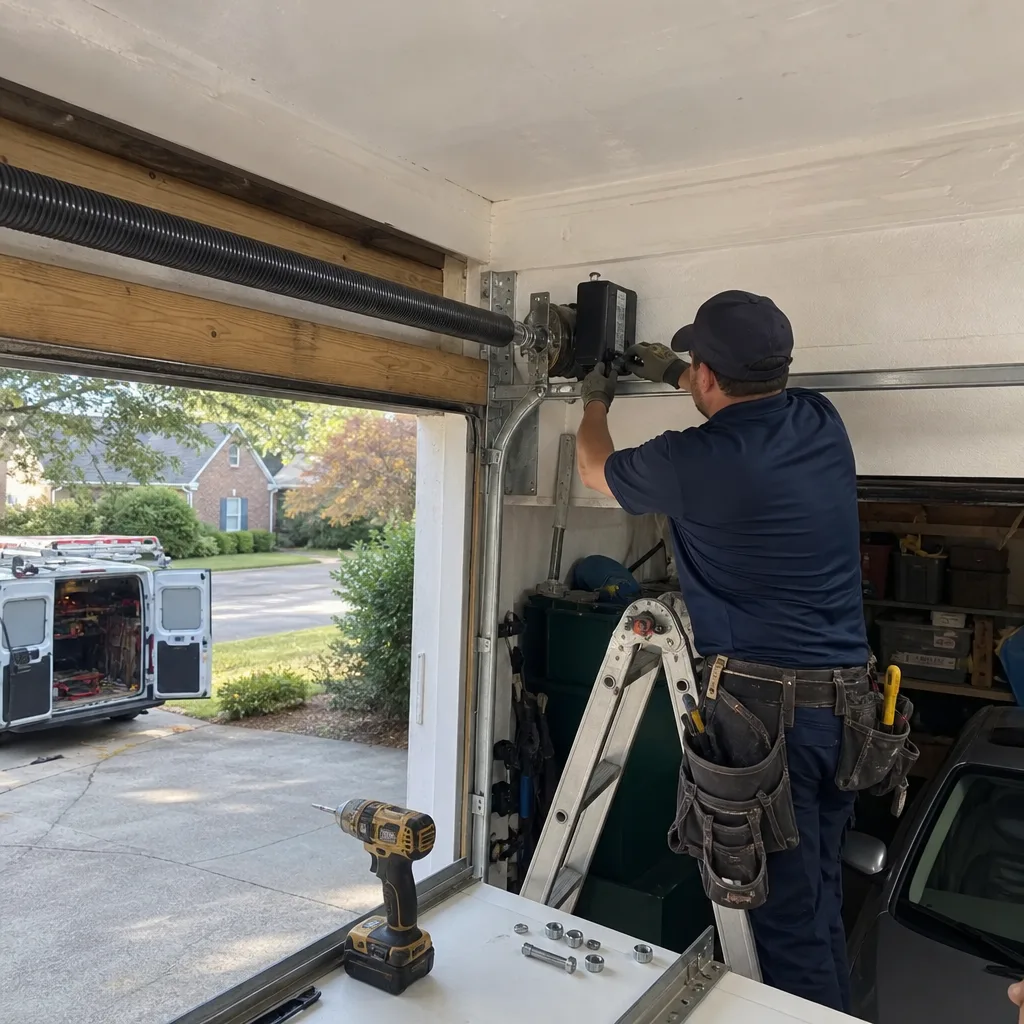
Gwinnett County enforces the 2018 International Residential Code with specific local amendments through its Planning and Development Department. These amendments create three categories of garage door work that differ from the Georgia baseline:
1. New construction garage doors. In Gwinnett, a garage door on a new home is included in the primary building permit. The door installation itself is not separately permitted, but the rough opening is inspected as part of the framing inspection. If a builder installs the door before the framing inspection passes, the inspector may require the door to be removed for inspection access. We have seen this delay Lawrenceville new construction closings by a week or more.
2. Structural header modification. Gwinnett requires a separate structural permit when the header above a garage door is replaced, reinforced, or resized. The permit requires drawings showing the header size, span, and bearing points. A licensed Georgia contractor must pull this permit. An engineer’s letter is required if the span exceeds standard prescriptive header tables in the IRC.
3. Fire-rated door replacement. This is the one most Lawrenceville homeowners have never heard of. Under Gwinnett amendments, a garage door that serves as the separation between an attached garage and living space must meet specific fire-resistance requirements. When that door is replaced, the replacement must meet the same rating, and the installation must comply with self-closing hardware requirements. We cover this in detail below.
Gwinnett’s amendment language also addresses wind load. Lawrenceville sits in a region where the 2018 IRC requires garage doors to resist a design wind pressure based on the home’s exposure category. A door rated for a lower wind zone, purchased online or from a non-local supplier, may not pass inspection in Gwinnett County even if it fits the opening perfectly.
The practical takeaway: in Lawrenceville, treat any garage door project that involves the opening, the framing, or a fire-rated door as a permit project until a licensed contractor confirms otherwise in writing, as part of your Seasonal Garage Door Care for Lawrenceville: Year-Round Homeowner’s Guide routine.
The Like-for-Like Exemption: What Qualifies
Georgia’s like-for-like exemption is the reason most garage door replacements in Lawrenceville happen without a permit. The exemption applies when four conditions are all true:
- The opening dimensions are unchanged. The new door fits the exact rough opening width and height as the old door. No cutting of the header, jambs, or sill.
- The structural members are untouched. The existing header, trimmer studs, and king studs remain in place and are not notched, drilled, or altered.
- The door type is functionally equivalent. A sectional door replaces a sectional door. Switching from a swing-out carriage door to a sectional door is not like-for-like because the load path on the header changes.
- The replacement meets current wind load and fire separation requirements for the home’s location. If the original door predates the current wind load requirements, the replacement must meet the current standard even if the opening is unchanged.
The exemption gets misapplied frequently. We have inspected Lawrenceville homes where a homeowner replaced a single garage door with a double door by cutting out the center post and installing a larger header. That is structural work, full stop. No like-for-like exemption applies. The project required a permit, and the homeowner discovered this only when they tried to sell.
The reverse case also happens. A homeowner replaces a standard steel door with a Clopay insulated door in the same opening, same tracks, same spring configuration. That is a repair under Georgia code, no permit needed. The confusion comes when the installer mentions “header modifications” or “opening adjustments” in the quote. Those phrases are the signal that a permit is probably required.
For documentation purposes, if you are pulling a permit history later, the like-for-like exemption means there will be no permit record because none was required. Your defense is the contractor’s written scope showing the opening was unchanged. Get that scope in writing. A verbal assurance is worth nothing when the buyer’s inspector asks questions.
Fire-Rated Doors: The Requirement Most Homeowners Miss
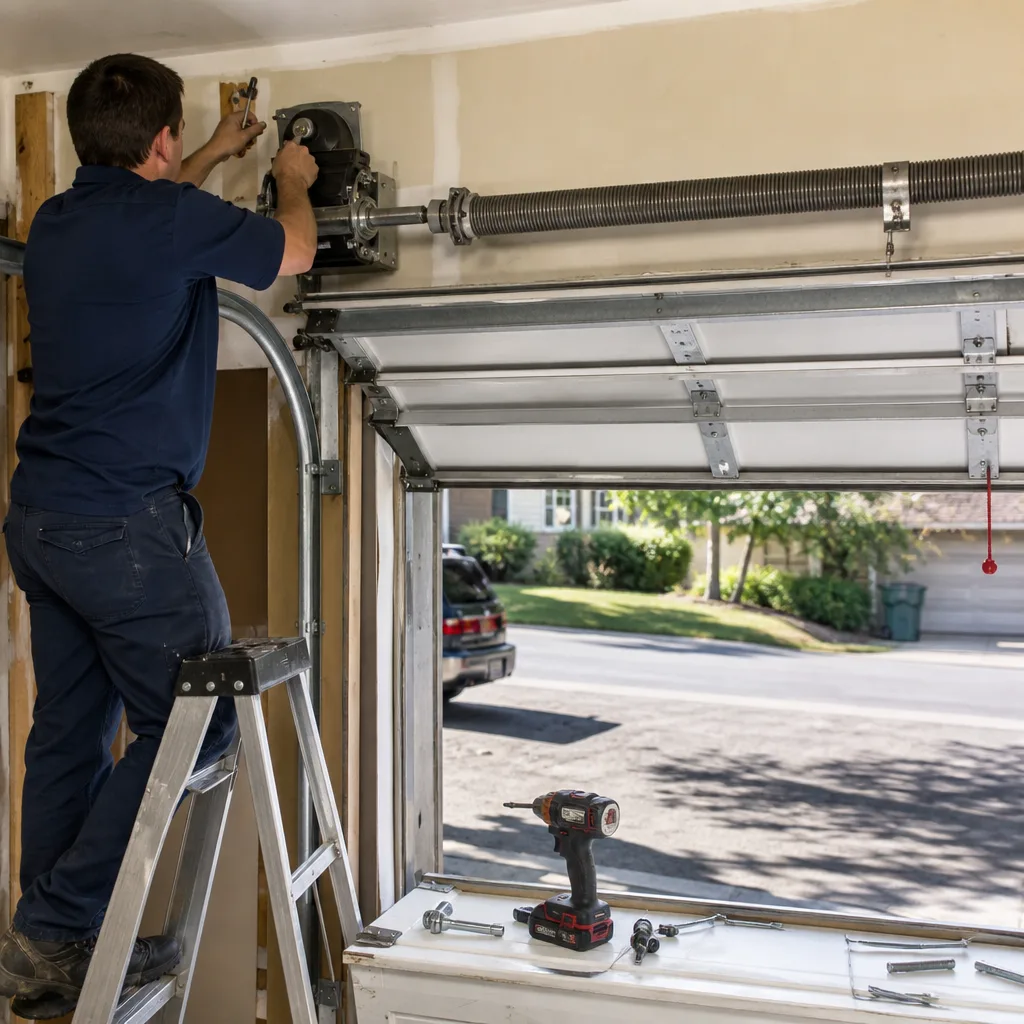
Georgia residential code requires a fire separation between an attached garage and the living space above or adjacent to it. That separation includes the wall, the ceiling, any door between the garage and the house interior, and, in specific configurations, the garage vehicle door itself. Lawrenceville homes with bonus rooms above the garage are the most common trigger.
Here is what the code actually requires:
- Wall and ceiling separation: The garage must be separated from the residence by 1/2-inch gypsum board on the garage side. If there is living space above the garage, the ceiling requires 5/8-inch Type X gypsum board.
- Personnel door: The door between a garage and the house must be solid wood, solid core steel, or a listed 20-minute fire-rated door, with a self-closing device.
- Vehicle door rating: The large garage vehicle door is not always fire-rated, but when the garage is attached and the door is part of the separation assembly, Gwinnett inspectors apply the same standard: the door must carry a UL rating appropriate to the separation requirement. A door with no rating label may fail.
The self-closing hardware requirement trips up more Lawrenceville homeowners than any other single code item. A fire-rated door without a working self-closer does not meet code, period. The closer must be installed so the door closes and latches from any open position without assistance. We have seen home sale inspections flag this on homes built in the 1990s where the original self-closer was removed years ago and never replaced.
If you are replacing a fire-rated garage door in Lawrenceville, the replacement must carry a UL rating that meets or exceeds the original. Keep the rating label intact. A door with the label removed cannot be verified as rated, and the inspector will treat it as unrated. This is one of the few cases where the paper label on the door matters as much as the door itself.
When a fire-rated door replacement is part of a larger permit, Gwinnett requires a final inspection after installation. The inspector checks the rating label, the self-closing hardware, and the fit of the door within the opening. The inspection is scheduled after installation, not before, and the door must be operational during the inspection.
Contractor Verbal Assurances and Your Liability
The most common permit problem we see in Lawrenceville is not a missing permit. It is a missing determination. A homeowner hires a contractor, the contractor says, “This doesn’t need a permit,” the work happens, and years later the home sale stalls because no one documented who made that call.
Under Georgia law, the property owner is ultimately responsible for permit compliance. A contractor’s verbal assurance does not transfer liability to the contractor. If the work should have been permitted, the homeowner is the one who must remediate, disclose, or negotiate the repair with the buyer. The contractor may be gone, retired, or unresponsive by the time the issue surfaces.
Here is how to document the determination before work starts:
- Ask for the permit determination in writing. A scope of work that states “no permit required per Gwinnett County code section [specific reference]” or “permit required, included in price” is what you want. A one-line note in an email works.
- Verify the contractor’s license. Georgia requires a residential basic contractor license for any project exceeding $2,500 in total cost. Garage door work in Lawrenceville frequently falls under this. The license number should appear on the written estimate, not just on request.
- Check Gwinnett’s online permit portal yourself. The Gwinnett County Planning and Development Department maintains an online permit search. You can check whether a permit exists or is required for your address before you sign anything.
- Get the determination in the contract. If the contractor says no permit is needed, that sentence belongs in the written agreement. If they will not write it down, that is your answer.
We follow a specific practice at Servo Garage Doors Lawrenceville: the permit determination is written into the flat-price scope before any work begins. That is Clause 1 of The Haven Standard, the documentation system we operate under. If the job needs a permit, the permit is listed as a line item. If it does not, that determination is written in the scope. Every customer leaves with a documented photo record of findings and completed work. A garage door company that will not write down its permit determination is asking you to carry risk you never agreed to.
The homeowner who accepts a verbal “this doesn’t need a permit” and later faces a failed sale inspection has limited recourse. The repair cost is theirs. The disclosure obligation is theirs. The negotiating position with the buyer is theirs. Documenting the determination costs nothing and converts an unprovable conversation into a paper trail.
How to Pull Permit History on a Gwinnett County Property
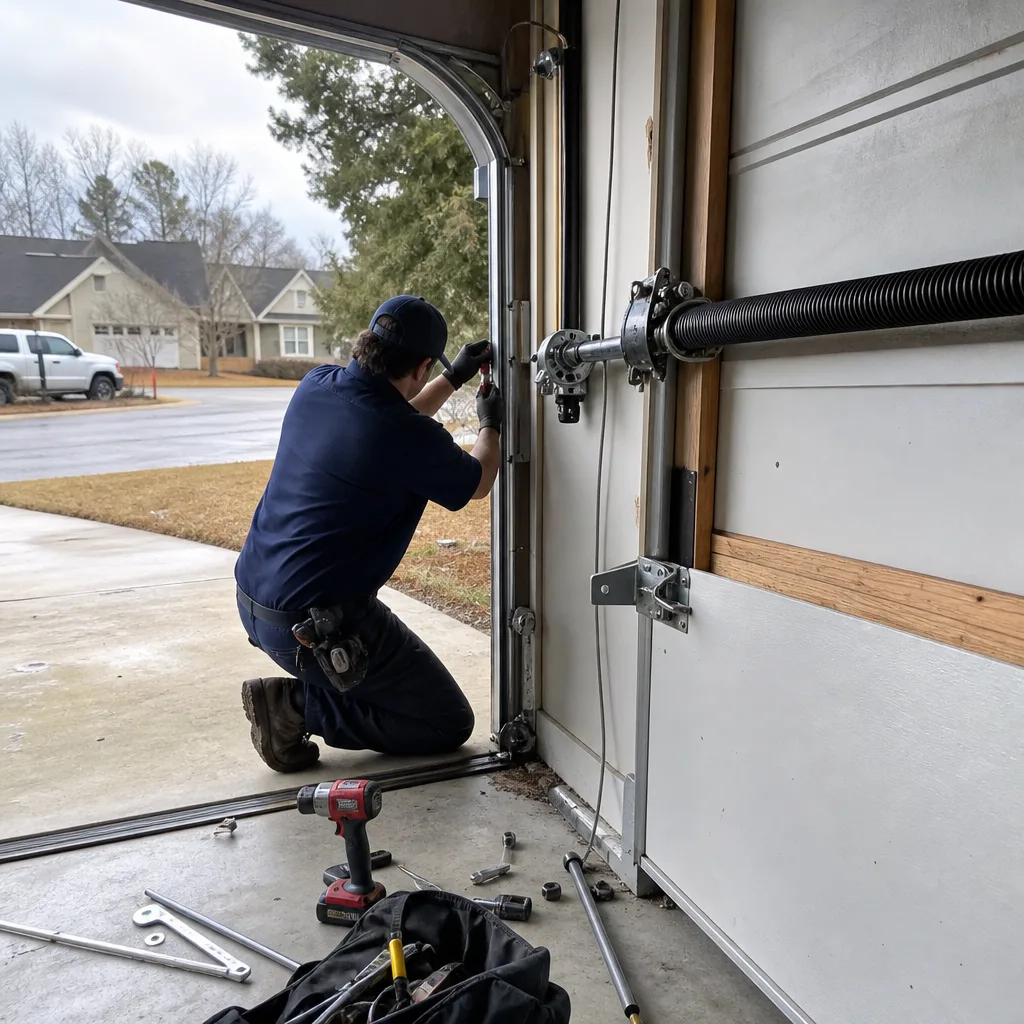
Before buying or listing a home in Lawrenceville, pull the permit history. The process is straightforward, and a missing garage door permit on the history is either a non-issue, a disclosure item, or a negotiating point, depending on what the records show.
Step-by-step for Gwinnett County:
- Go to the Gwinnett County Planning and Development online portal. The county maintains a searchable database of building permits by address and parcel number.
- Search by property address. Use the full street address, including unit number if applicable. The search returns permits for the parcel, including the original building permit for the home.
- Look for garage-specific permits. A separate structural permit for garage door header work will appear as a distinct record. A like-for-like replacement will not appear because no permit was required.
- Cross-reference the home’s age. If the home was built before Gwinnett’s current permitting system, older records may be incomplete. The county can provide historical records by request for older parcels.
- Request a records search if the portal returns nothing. For older Lawrenceville homes, the online portal may not go back far enough. The county’s records office can run a manual search for a fee.
What you are looking for is not necessarily a garage door permit. You are looking for evidence that any structural work on the garage was permitted. A missing permit for a new garage addition, a resized opening, or a converted carport is a material fact that must be disclosed to a buyer under Georgia’s seller disclosure requirements.
When a permit is missing, the buyer’s remedy is usually a price reduction, a repair escrow, or a delayed closing while the seller obtains a retroactive permit. In Lawrenceville’s current market, a missing permit for structural garage work typically resolves as a $1,500 to $4,000 negotiation, depending on the scope of the unpermitted work. The $45 permit that was skipped at the time becomes a much larger number at the closing table.
Unpermitted Garage Work: Remediate vs. Disclose
If you discover unpermitted garage work on a Lawrenceville property you own, you have two paths: remediate or disclose. The right choice depends on what the work actually was.
Remediation means pulling a retroactive permit, having the work inspected, and fixing anything that fails. Gwinnett County allows retroactive permits for most residential work, but the process requires opening up finished areas so the inspector can see the framing, the header, and the fire separation. In practice, remediation on a garage door header often means:
- Removing drywall to expose the header and framing for inspection
- Paying an engineer to verify the header is sized correctly for the span
- Correcting any deficiencies the inspector finds, which may mean replacing the header entirely
- Paying double permit fees, which Gwinnett applies to retroactive permits
- Scheduling and passing the final inspection
Total remediation cost on a garage door header in Lawrenceville typically runs $800 to $2,500, including the double permit fee, drywall repair, and the engineer’s letter if required. The range depends on whether the header passes inspection as-is or needs replacement.
Disclosure means listing the property with the unpermitted work disclosed on the seller’s disclosure form. Georgia law requires disclosure of known material defects, and unpermitted structural work qualifies. The buyer then accepts the condition, negotiates a credit, or walks away. The risk with disclosure is that financing may require the issue resolved before closing, particularly for FHA and VA loans.
In our experience in Lawrenceville, remediation is the better path when the work is structural and the header is accessible. Disclosure works when the work is cosmetic or when the home is being sold as-is to a cash buyer. The decision comes down to how much the unpermitted work affects the structural integrity and the fire separation of the garage.
What Permits and Inspections Actually Cost in Lawrenceville
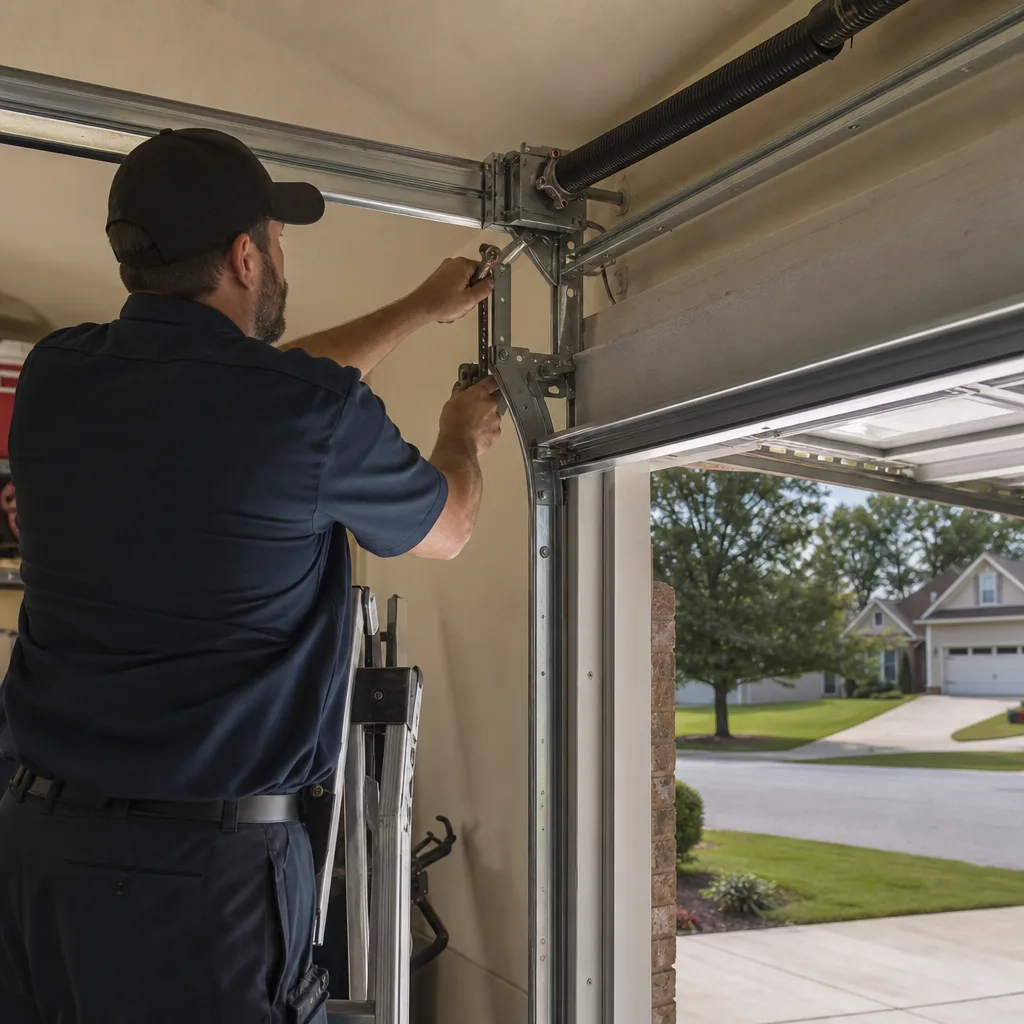
Permit costs in Gwinnett County are low relative to the cost of the work they cover. Here is what we see on actual Lawrenceville jobs:
| Item | Typical Cost in Lawrenceville |
|---|---|
| Structural permit for header modification | $40 to $125, depending on project valuation |
| Engineer’s letter (when required) | $150 to $400 |
| Retroactive permit (double fee) | 2x the standard permit fee |
| Inspection fee (included in permit) | No separate charge for standard inspection |
| Fire-rated door with UL label | $600 to $1,800 for the door alone, depending on size and rating |
The permit fee is trivial compared to the cost of the work it covers. A structural header modification on a Lawrenceville home typically costs $2,000 to $5,000 in labor and materials. The $45 to $125 permit fee on that job is roughly 2 to 3 percent of the project. Skipping it saves almost nothing and carries disproportionate risk.
The inspection itself is typically scheduled within a few days in Gwinnett County. The inspector checks the header size, the bearing points, the fire separation, and the wind load rating on the new door. If the door is a Chamberlain, Genie, Clopay, or Amarr product with proper wind load documentation, the inspection usually passes on the first visit. If the door is an unrated online purchase, the inspector will flag it.
A note on who pulls the permit: in Gwinnett County, the permit must be pulled by a licensed contractor whose license covers the work. Homeowners can pull their own permits for some work, but structural header modifications require a contractor’s license. The contractor’s license number belongs on the permit application, not just on the estimate.
Common Mistakes to Avoid
- Assuming all garage door work is permit-exempt. Like-for-like replacement is exempt. Structural header work, new openings, and fire-rated door replacements are not. The distinction turns on whether the opening or framing changes.
- Accepting a verbal “this doesn’t need a permit.” A verbal assurance is unverifiable later. Get the determination written into the scope before work starts, and verify the contractor’s license number appears on the written estimate.
- Replacing a fire-rated door with an unrated door. Lawrenceville homes with living space above the garage need the vehicle door to carry a UL rating. An unrated door may fail inspection and complicate a future sale.
- Removing or painting over the rating label. The UL label is the evidence the door is rated. Once it is gone, the door cannot be verified as compliant, and the inspector will treat it as non-compliant.
- Buying a door online without checking wind load ratings. Gwinnett County enforces wind load requirements under the 2018 IRC. A door rated for a lower wind zone may not meet code even if it fits the opening.
- Skipping the permit history check before buying. A missing permit for structural garage work becomes the buyer’s problem once the sale closes. Pull the permit history before you sign.
- Treating the garage door as separate from the fire separation system. The door, the wall behind it, the ceiling above it, and the self-closing hardware all work together. Changing one piece without checking the others creates a code violation.
When to Call a Professional
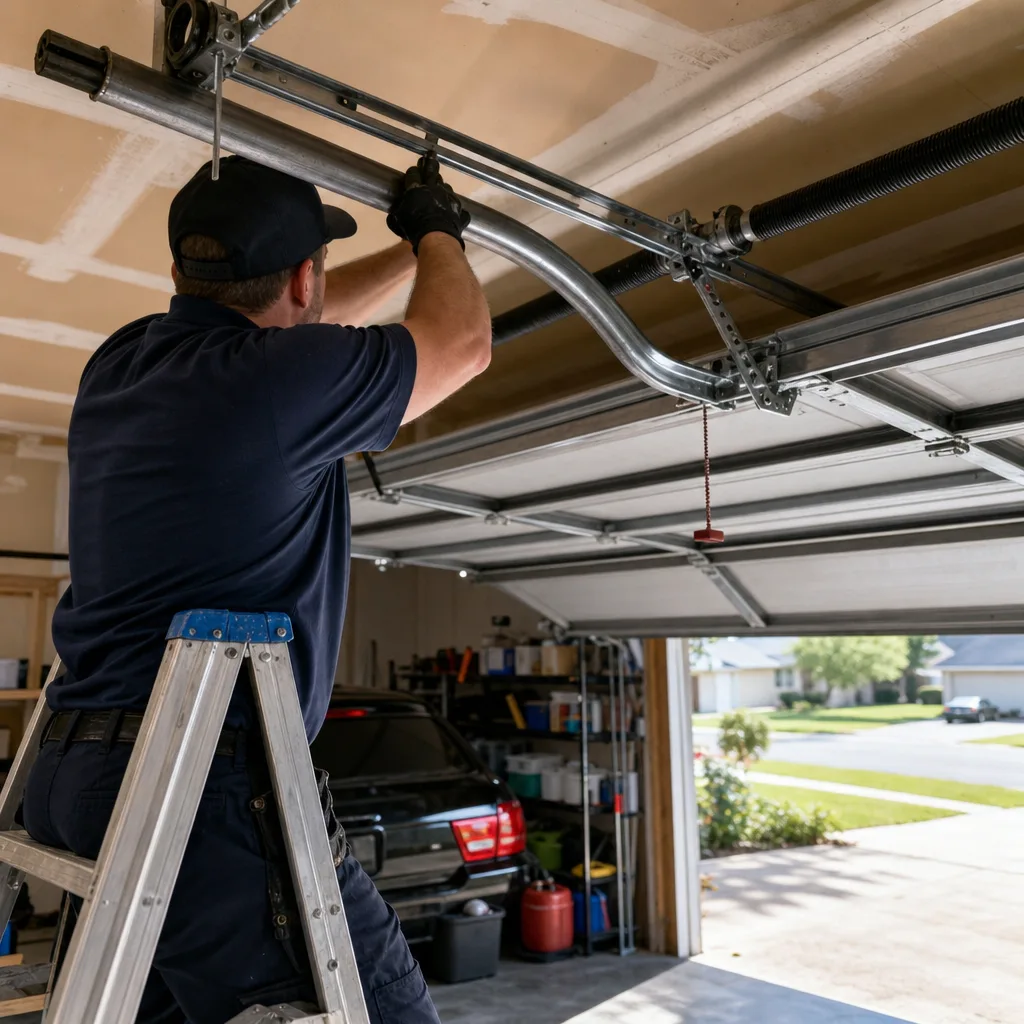
Any time the opening changes size, the header is touched, or a fire-rated door is involved, the project needs a licensed contractor pulling the permit. If you are unsure whether your garage door work requires a permit in Lawrenceville, the fastest way to find out is to request a written permit determination. A contractor who will not put the determination in writing is not one you want working on your home. Servo Garage Doors Lawrenceville offers free estimates in Lawrenceville, including a written permit determination on every scope, and a Free Second Opinion on any written estimate from another company. Call (470) 202-3917 or visit our Servo Garage Doors Lawrenceville home page to schedule.
Frequently Asked Questions
In Georgia, a like-for-like garage door replacement that keeps the opening, header, and framing unchanged does not require a permit. If the opening is resized, the header is modified, or a fire-rated door is being replaced with a non-compliant alternative, a permit is required. Gwinnett County enforces these requirements through its Planning and Development Department, and garage door parts in Lawrenceville that alter the structural load path trigger the permit requirement.
A structural permit for garage door header work in Lawrenceville typically costs $40 to $125, depending on the project valuation. An engineer’s letter, when required, adds $150 to $400. Retroactive permits cost double the standard fee. Call (470) 202-3917 for a written scope that includes the permit line item before any work starts.
Unpermitted structural work on a garage door becomes a disclosure item under Georgia’s seller disclosure requirements. A buyer’s inspector may flag the missing permit, which typically leads to a price reduction, a repair escrow, or a delayed closing. In Lawrenceville, this usually resolves as a $1,500 to $4,000 negotiation, compared to a $45 permit that was skipped at the time of the work.
Yes, when the garage door serves as part of the fire separation between an attached garage and living space, Gwinnett County requires a UL-rated door with self-closing hardware. Lawrenceville homes with bonus rooms above the garage are the most common trigger. The rating label must remain intact and visible for the inspection to pass.
Homeowners can pull their own permits for some residential work, but structural header modifications require a licensed Georgia contractor’s license on the permit application. The contractor’s license number must appear on the written estimate and on the permit. If you need garage door opener repair or installation in Lawrenceville, the opener itself is typically covered under the electrical permit requirements, which your contractor should handle.
Emergency repairs that restore a door to operation, such as replacing a broken spring or cable, are classified as repairs and do not require a permit when the opening is unchanged. If the emergency involves structural damage to the header or opening, a permit will be required before permanent repairs can be completed. For emergency garage door service in Lawrenceville, a written scope including the permit determination is provided before any work begins, even on urgent calls. Call (470) 202-3917 and a live person answers, 24/7.
The Bottom Line
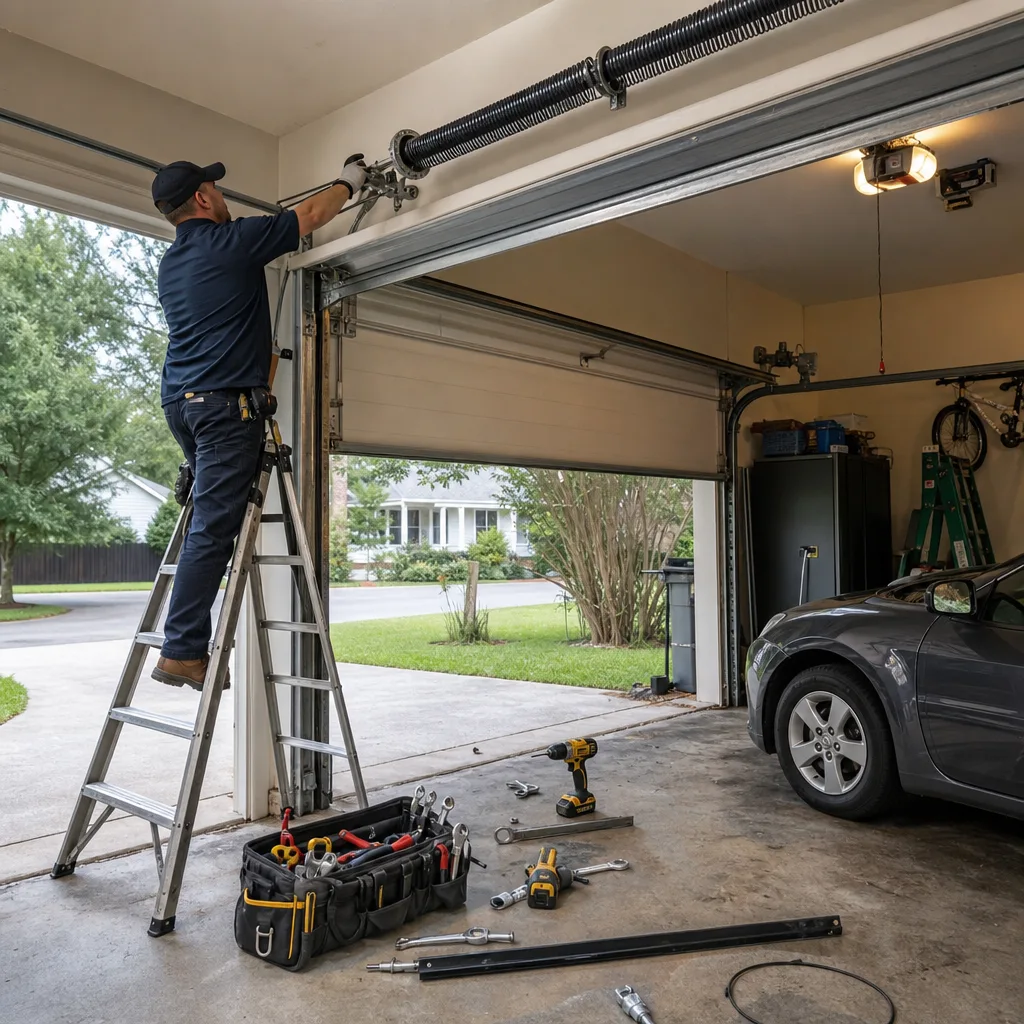
Most garage door replacements in Lawrenceville do not need a permit. The like-for-like exemption covers the majority of door swaps, and the work is classified as a repair. The exceptions are specific: new construction, structural header changes, resized openings, and fire-rated door replacements where the rating label or self-closing hardware is missing. The danger is not the permit itself, it is the lack of documentation. Get the permit determination in writing. Pull the permit history before you buy. If a contractor will not write down whether the job needs a permit, that refusal tells you everything you need to know. The $45 permit skipped today becomes a $3,000 negotiation at the closing table tomorrow.
Written by Marcus Deller, Owner at Servo Garage Doors Lawrenceville, serving Lawrenceville since 2015.