
Full 25-point door and opener safety check with every visit - springs, cables, rollers, tracks, and your LiftMaster or Chamberlain opener included
You get a price before we start. It does not change when the truck arrives.
Full-view glass
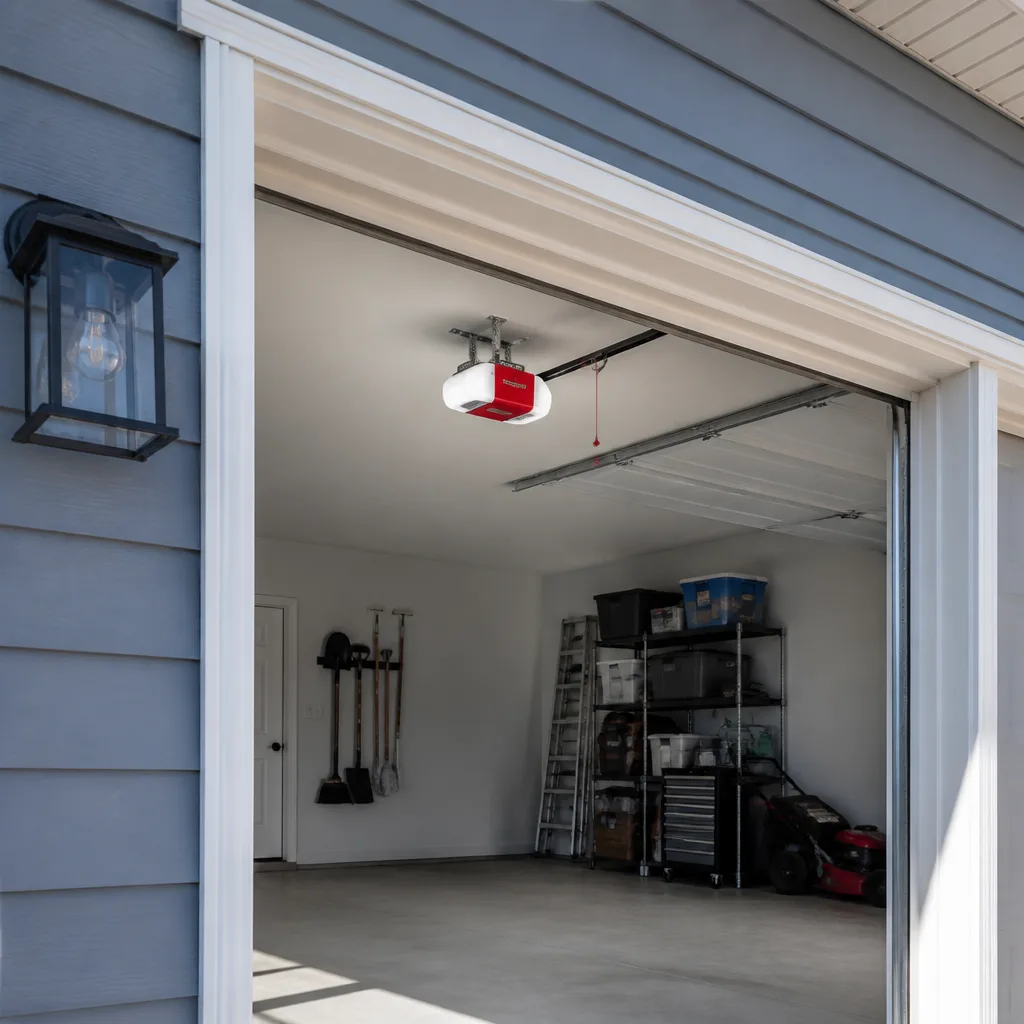
Chamberlain openers
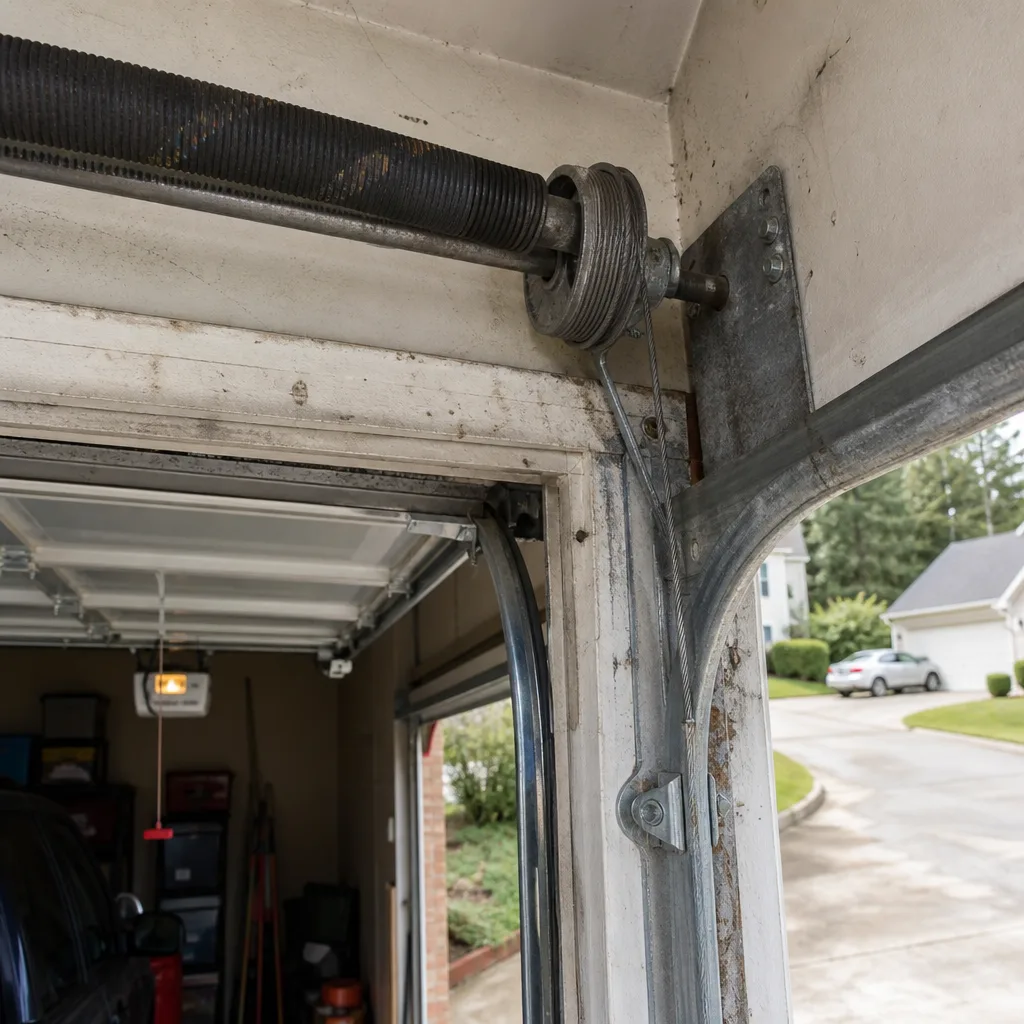 Before
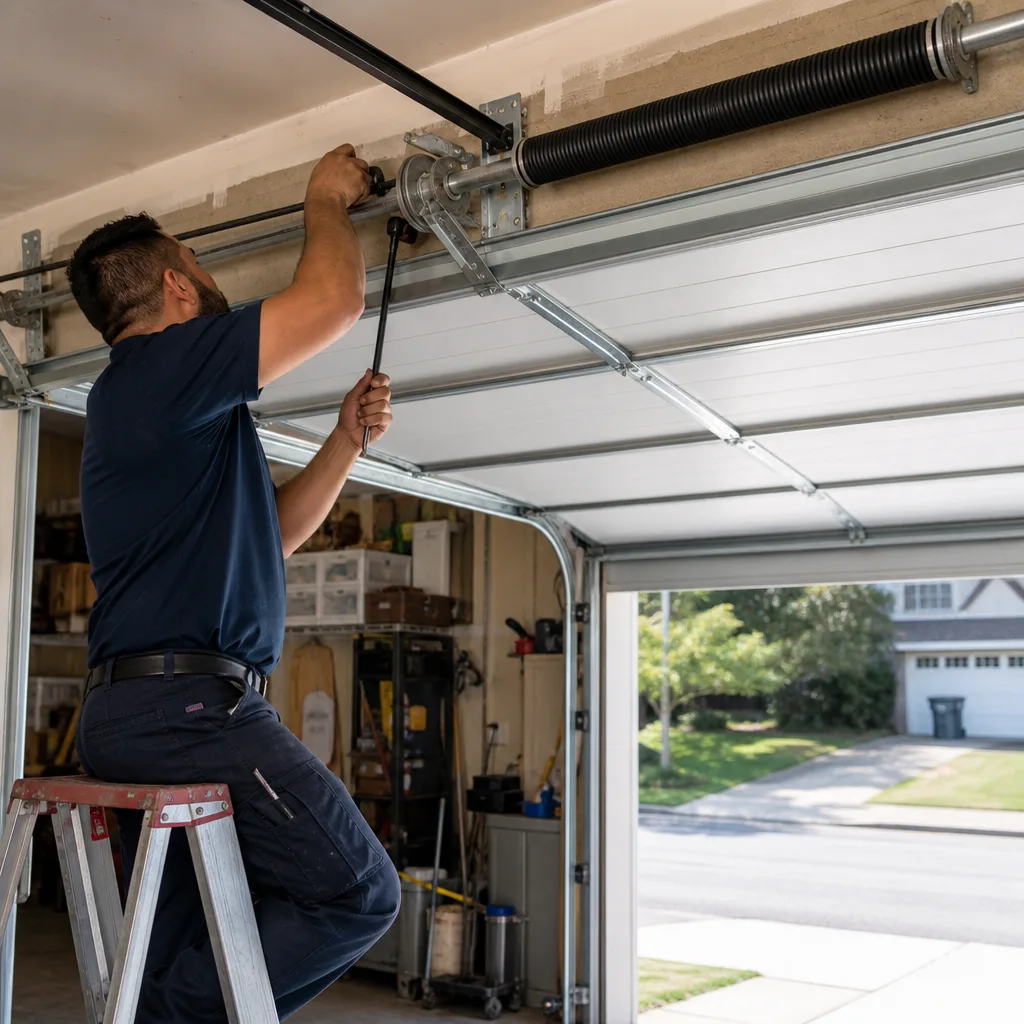 After
After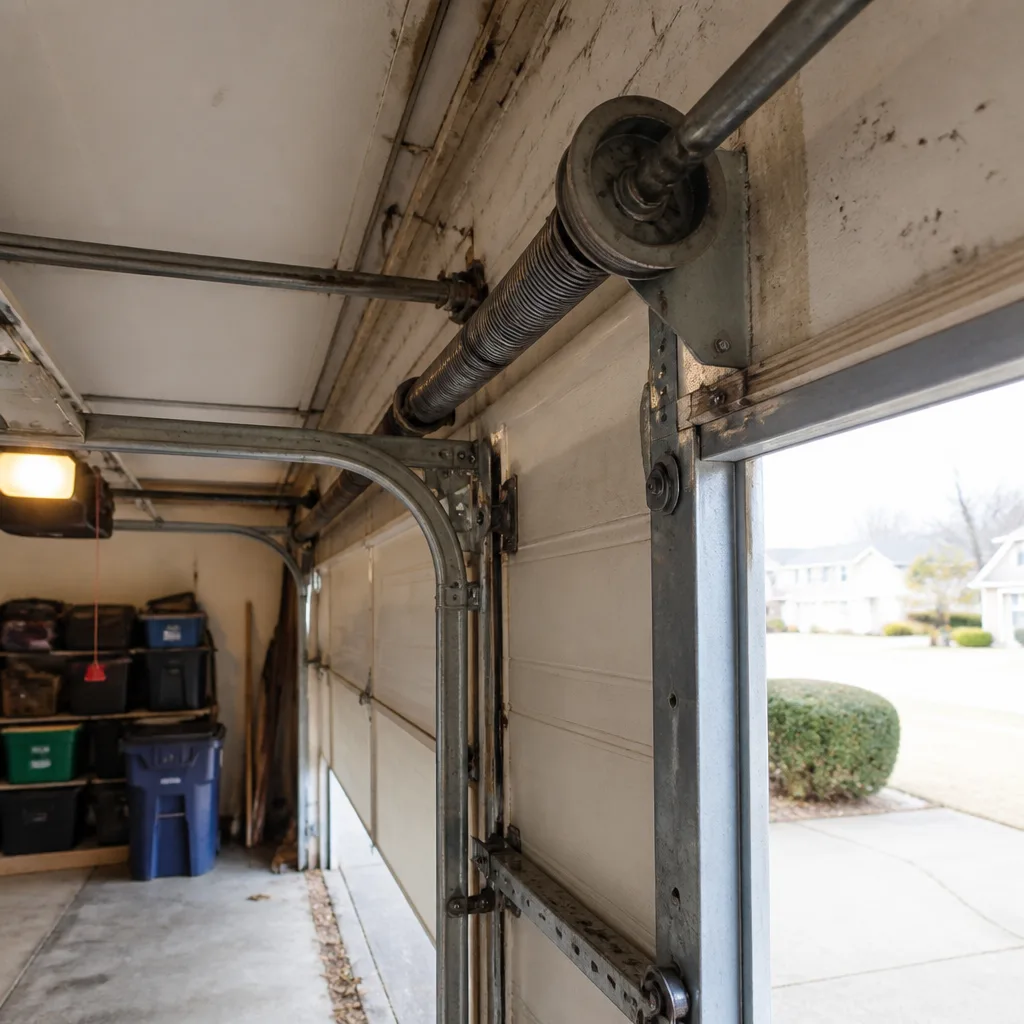 Before
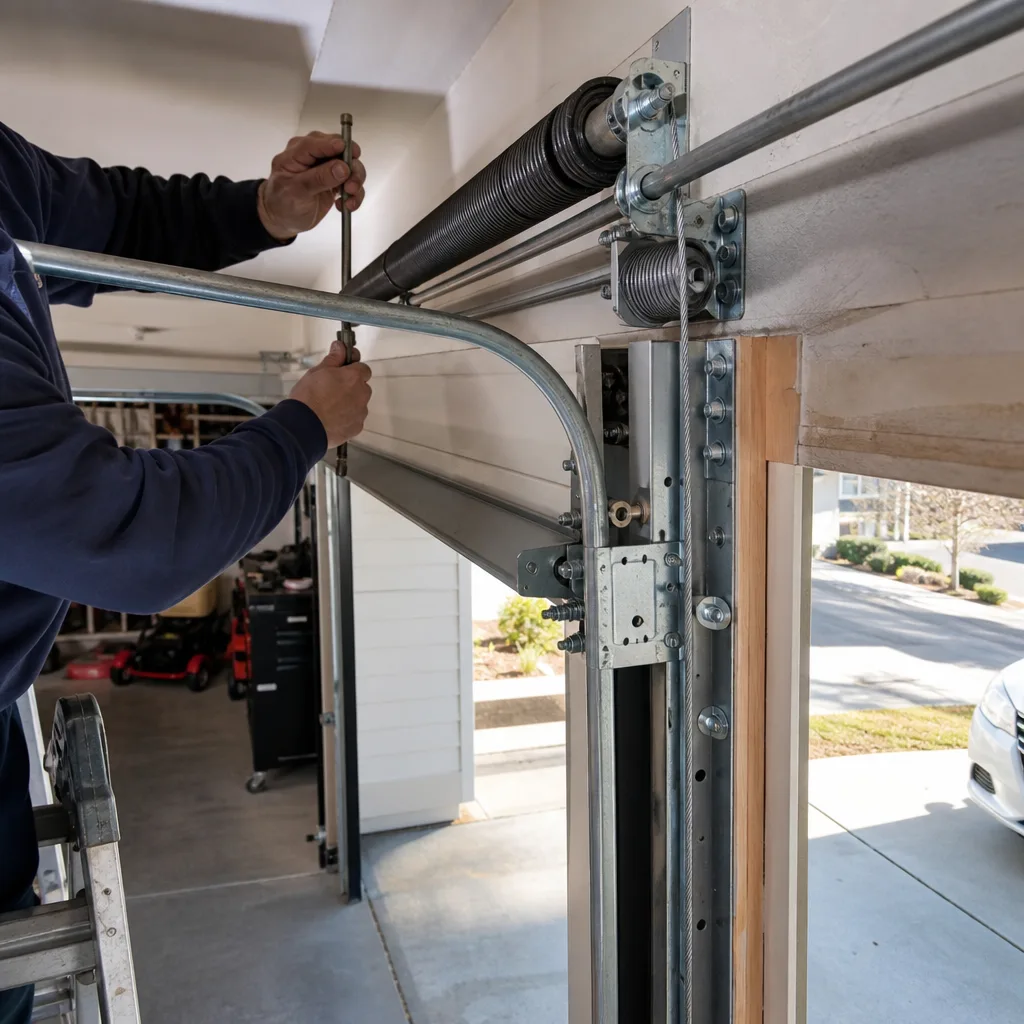 After
After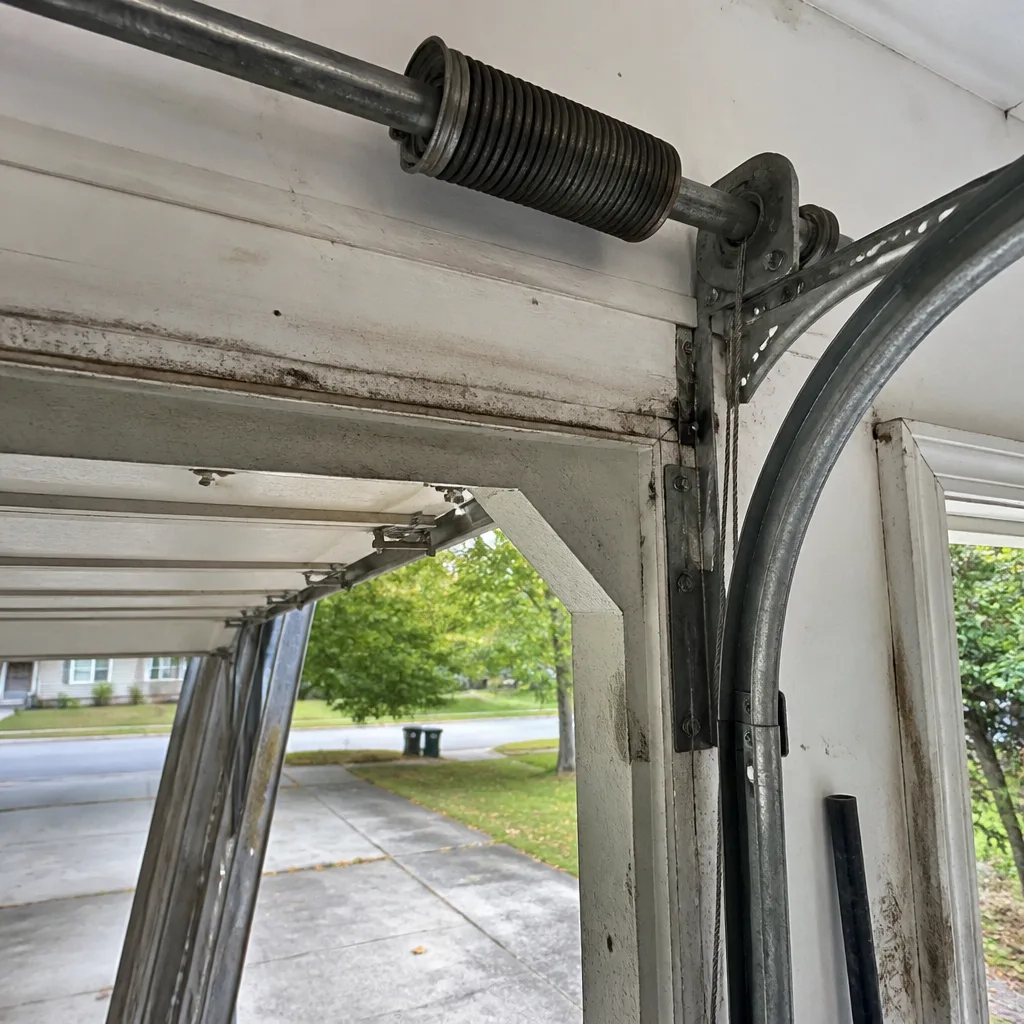 Before
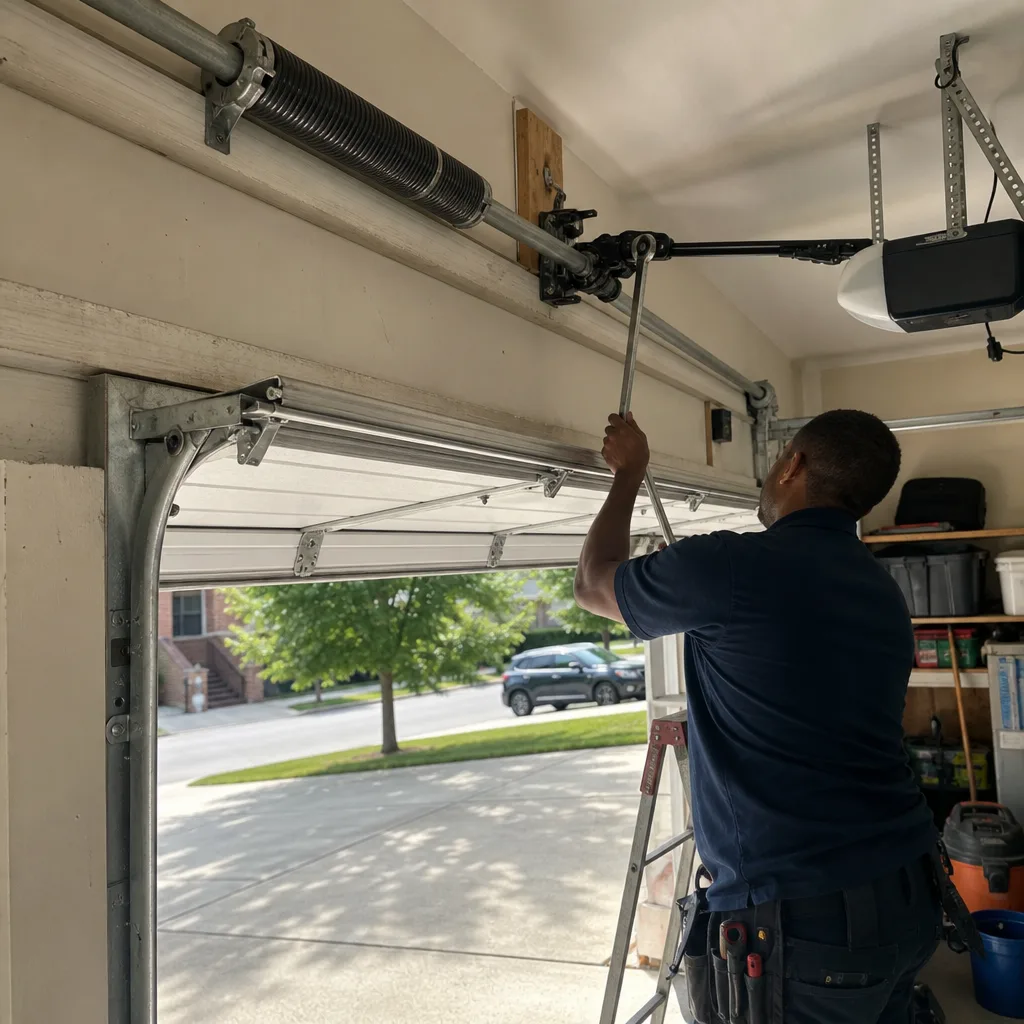 After
AfterWayne Dalton Weather Seal Replacement: The Lawrenceville Owner’s Guide
Wayne Dalton weather seal replacement in Lawrenceville typically runs $85-$160 installed, and we carry the most common profiles on the truck for same-day swap-outs. The part itself is a long strip of rubber or vinyl that runs along the bottom of the garage door, compressing against the concrete floor to block water, leaves, dust, and rodents. Most homeowners discover the failure the same way: a visible gap of daylight under the door, a wet floor after heavy rain, or leaves that appear inside the garage overnight.
The bottom seal on a Wayne Dalton door is not a generic strip you can grab off any shelf. Wayne Dalton uses a T-shaped and bulb-shaped channel design on many of its models, which means the replacement profile has to match the door’s bottom retainer. Match it wrong and the seal either falls out on day one or never sits flat enough to do its job. Marcus Deller and our crew at Servo Garage Doors Lawrenceville work on these doors regularly throughout Gwinnett County, and the weather seal is one of the most common parts we replace. Name the part, quote the number, then do the work.
Which Wayne Dalton Models This Applies To
Wayne Dalton has used two main bottom seal designs across its residential line. The first is a T-channel seal that slides into a retainer on doors like the 9100, 9600, and 9700 series, along with many doors sold through big-box retailers. The second is a bulb-style seal that fits a round channel, more common on the Classic Steel models (8000/8100/8200) and some Thermomark doors. The difference matters because these two designs do not interchange. If you slide a T-channel seal into a bulb retainer, it will not seat correctly, and it will work its way loose within weeks.
The quickest way to identify what you have is to pull the old seal out an inch and look at the channel shape on the bottom retainer. A T-shaped slot means a T-channel seal. A round channel means a bulb seal. Alternatively, the door’s model number is printed on a sticker near the bottom panel or on the hinge side of the door. If the sticker is gone or faded, we can identify the profile on site in about thirty seconds just by looking at the channel.
On the OEM-versus-aftermarket question: for Wayne Dalton seals, we typically recommend a quality aftermarket profile. The OEM seal is fine, but the aftermarket versions from manufacturers like Action Industries often use a denser rubber compound that holds its shape longer in Georgia heat. The key is not the brand name on the bag; it’s the density of the material and getting the channel profile exactly right. The seal is a wear item either way. We stock both T-channel and bulb profiles in common lengths, cut to fit on site.
Signs Your Wayne Dalton Weather Seal Replacement Is Failing
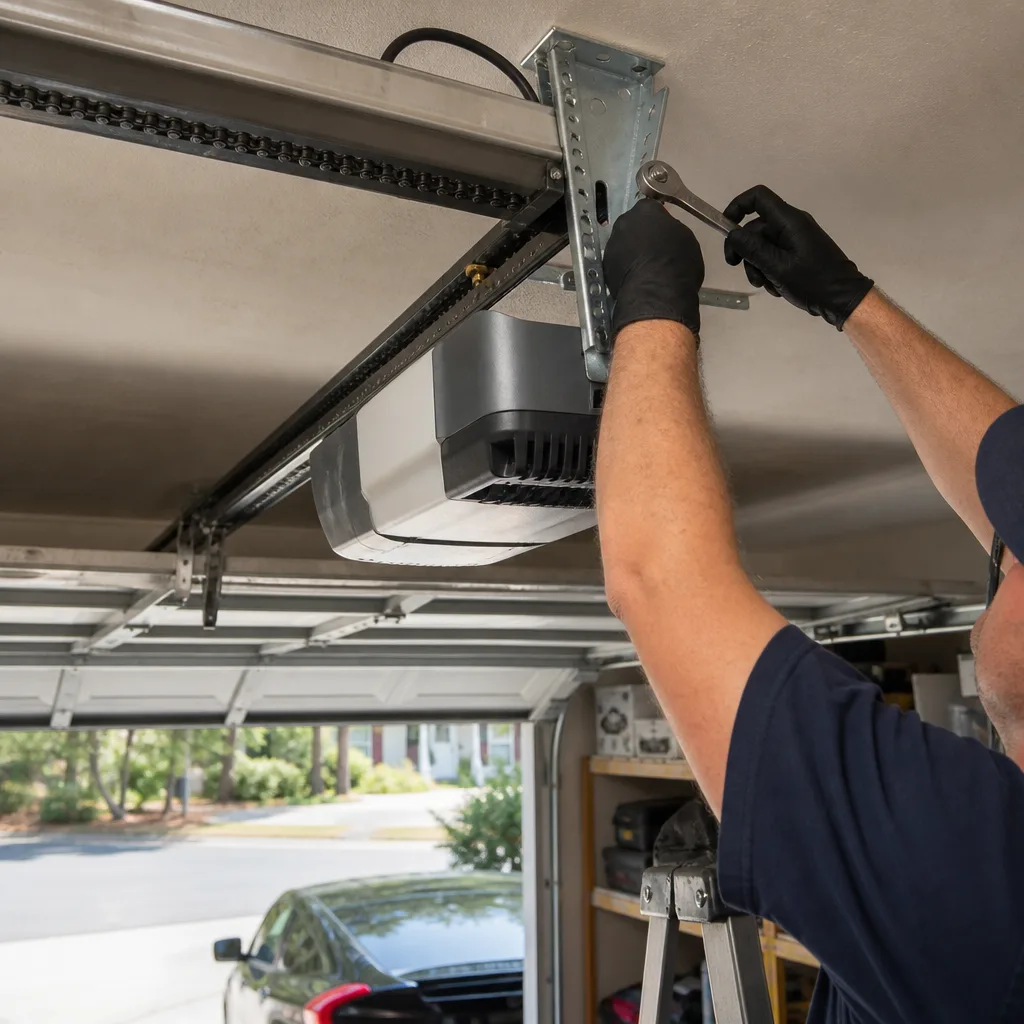
- Visible daylight under the door: If you can see light between the door bottom and the floor when the door is closed, the seal has compressed past its working range or torn away. This is the most common and most obvious sign. It also means the door is no longer sealing against water or pests.
- Chalky or cracked rubber: Sun exposure and heat cycling in Lawrenceville summers harden the rubber over time. A seal that feels stiff, shows surface cracking, or leaves black residue on your fingers has lost its compression set. It will not recover, and replacement is the only fix.
- Leaves or debris inside along the door line: Small gaps at the corners or along the floor let wind carry debris in. If you’re sweeping leaves out of the garage that you didn’t track in, check the bottom seal first. A worn seal often lifts at the corners even when the center still looks fine.
- Water pooled along the interior door line after rain: A seal that does not sit flat against the concrete leaves a path for water. This is most visible after the kind of heavy afternoon storms Lawrenceville gets all summer. The fix is a fresh seal, not a bead of caulk on the floor.
- The seal is pulling out of the channel: Once the rubber has shrunk or the retainer is slightly distorted, the seal falls out at one end and needs to be pushed back in periodically. If it has fallen out once, it will fall out again. A correctly sized new seal sits snug in the channel without needing push-back.
One thing worth saying plainly: a failing bottom seal is not an emergency, but it is a slow leak. The longer it goes, the more water, humidity, and pests get into the garage. In a humid climate like ours, that leads to rust on tool surfaces, boxes wicking moisture, and occasionally mildew on anything stored against the floor. The part is inexpensive relative to what it protects.
BeforeAfterReplacement Cost & What’s Included
For Wayne Dalton weather seal replacement in Lawrenceville, the installed price typically runs from $85 to $160. The spread comes down to two things. First, the seal profile: bulb-channel seals and denser aftermarket compounds run slightly higher than a basic T-channel strip. Second, the condition of the bottom retainer. If the retainer is mangled, rusted through, or missing sections, it needs to be replaced alongside the seal, which adds to the parts cost. We tell you which it is before we quote anything, because the price is written and agreed before any work starts. That is Clause 1 of The Haven Standard.
The price includes the seal cut to your door’s exact width, removal of the old seal, cleaning debris from the retainer, installation of the new seal, and a photo record of the completed work. The photo record is not optional and not an upsell. It is Clause 4 of The Haven Standard and our founding rule going back to 2015: you see the failed part before a quote, and you see the finished work when we leave. Every replacement also carries the 365-Day Done Right Promise, meaning if the seal comes loose or doesn’t seat properly within a year, we come back and make it right at no charge.
DIY or Call Us?
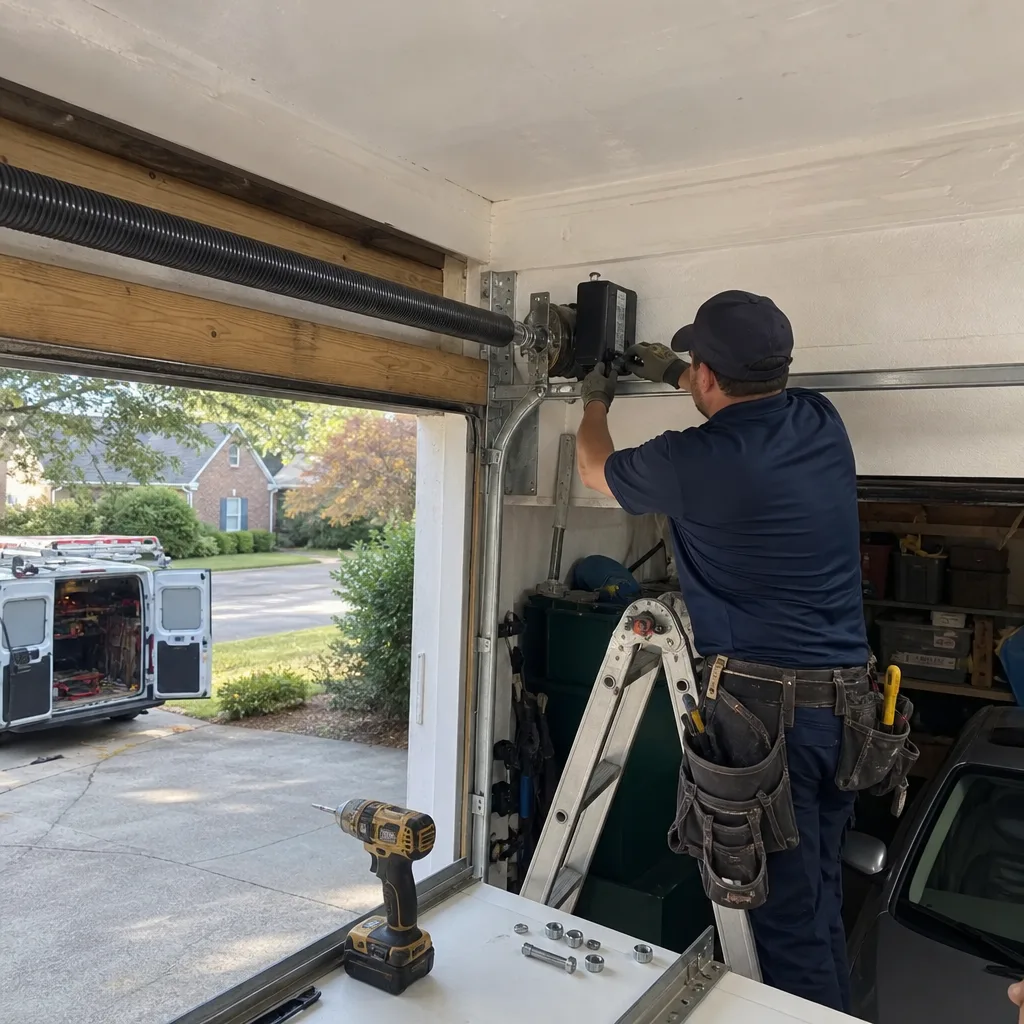
Replacing a Wayne Dalton bottom seal is one of the more approachable garage door jobs if the old seal pulls out cleanly and the retainer is in good shape. The safety risk here is low compared to springs or cables, so we are not going to tell you it cannot be done. What we will tell you is that the most common DIY mistake is ordering the wrong profile online, because Wayne Dalton uses more than one channel design and generic “universal” seals do not fit either one well. We have seen doors where the homeowner spent an afternoon fighting a wrong-profile seal into the channel and another afternoon discovering it fell out the next week.
The second issue is age. If the existing seal is hard and brittle, it will shred during removal and leave chunks wedged inside the channel. Getting that out without bending the retainer takes patience, and a bent retainer causes the new seal to fit unevenly. If you would rather have it measured, matched, installed, and photographed, call us at (470) 202-3917. A live person answers 24/7, and the technician arrives with the seal profiles on the truck, a written price in hand, and no pressure beyond the facts of the part.
FAQs
A Wayne Dalton bottom seal in Lawrenceville typically lasts 5 to 8 years depending on sun exposure, door use, and how well the door sits against the concrete. Heat and UV hardening are the main killers here, not mechanical wear. A south-facing door with no shade will eat through a seal faster than a door under a carport. Call (470) 202-3917 and we can tell you during a visit whether your seal is still serviceable or already done.
No. A worn, cracked, or shrunken bottom seal cannot be economically repaired. Patching a tear with adhesive does not restore the compression that makes the seal work, and any seam in the rubber is a future failure point. Replacement is the only fix that works long term. The good news is the part is one of the least expensive on the door.
Most Wayne Dalton weather seal replacements take 30 to 45 minutes start to finish. That includes pulling the old seal, cleaning the channel, sizing the new seal to your door width, and sliding it into place. If the bottom retainer also needs replacement, plan for about an hour to an hour and a half, including swapping the retainer screws and re-seating the seal at both corners.
Yes, we stock the two most common Wayne Dalton profiles, T-channel and bulb-channel, in rolls on every service vehicle. Our technician cuts the seal to your door’s exact width on site, so there is no order-and-wait delay for standard sizes. If your door uses an unusual profile or an extra-wide commercial retainer, we will measure it, quote it in writing that same visit, and schedule the return when the part arrives. We also stock parts for LiftMaster, Chamberlain, and Genie openers, so if your opener needs attention during the same visit we can address both in one trip.
If your Wayne Dalton bottom seal is letting water, light, or leaves into your garage in Lawrenceville, call (470) 202-3917. We will match the profile to your door, hand you a written price before any work starts, and finish with a photo record of the part we installed. No urgency, no upsells, just the part it needs and the paperwork to prove it.
Written by Marcus Deller, Owner, Servo Garage Doors Lawrenceville at Servo Garage Doors Lawrenceville, serving Lawrenceville and nearby areas.