
Full 25-point door and opener safety check with every visit - springs, cables, rollers, tracks, and your LiftMaster or Chamberlain opener included
You get a price before we start. It does not change when the truck arrives.
Full-view glass
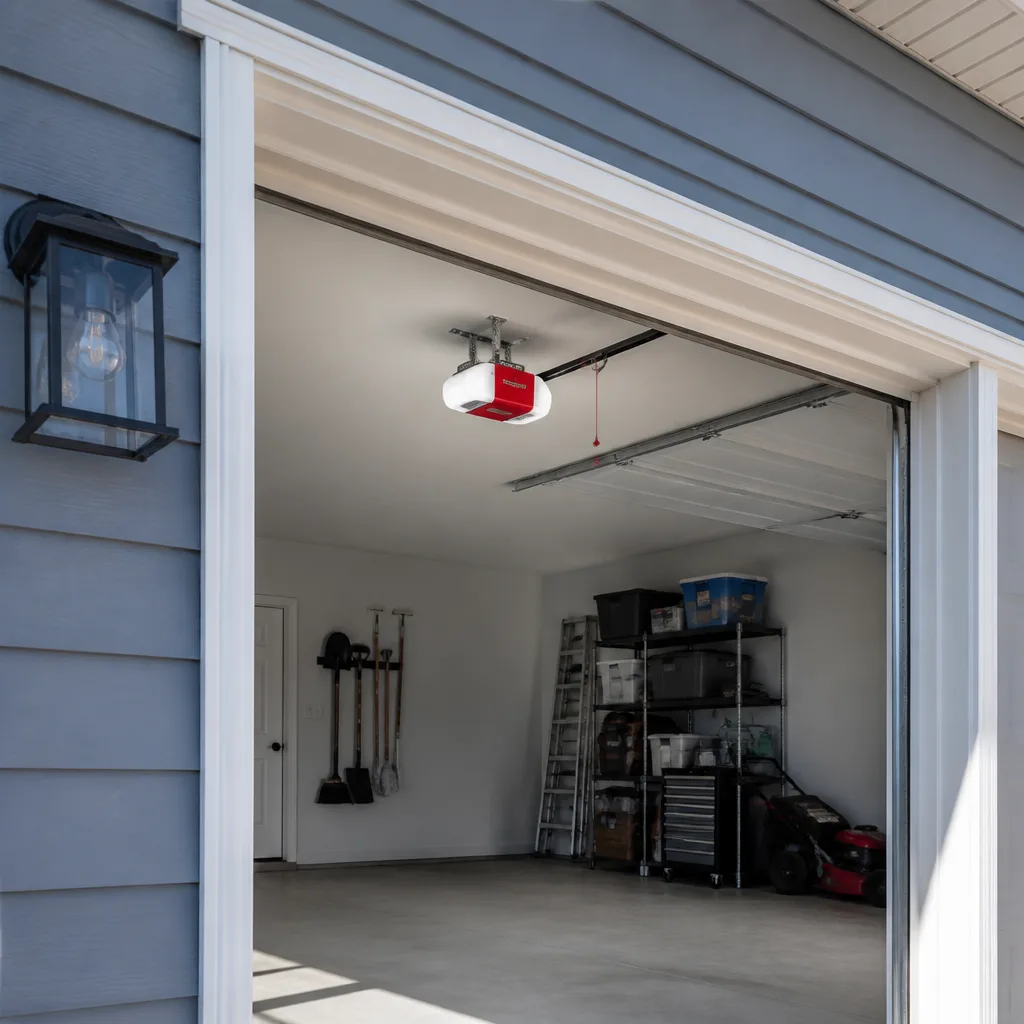
Chamberlain openers
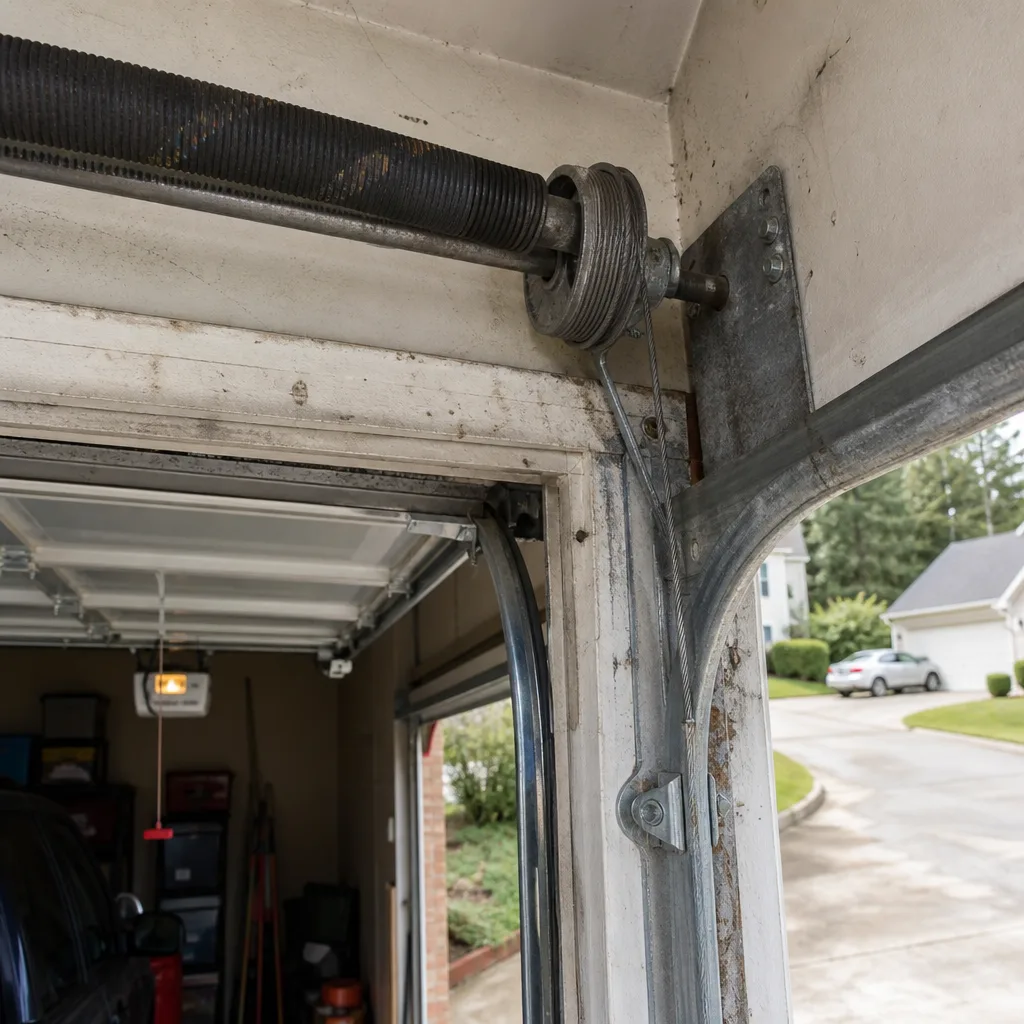 Before
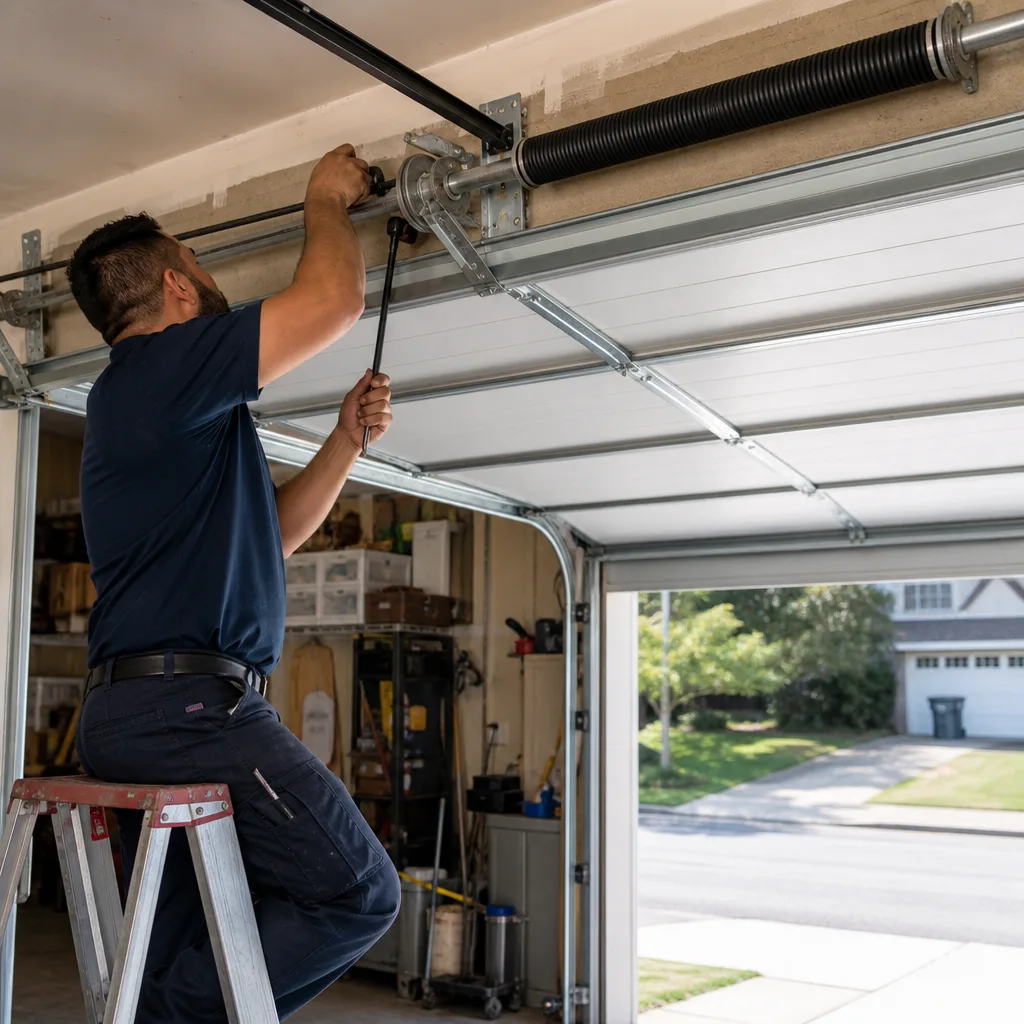 After
After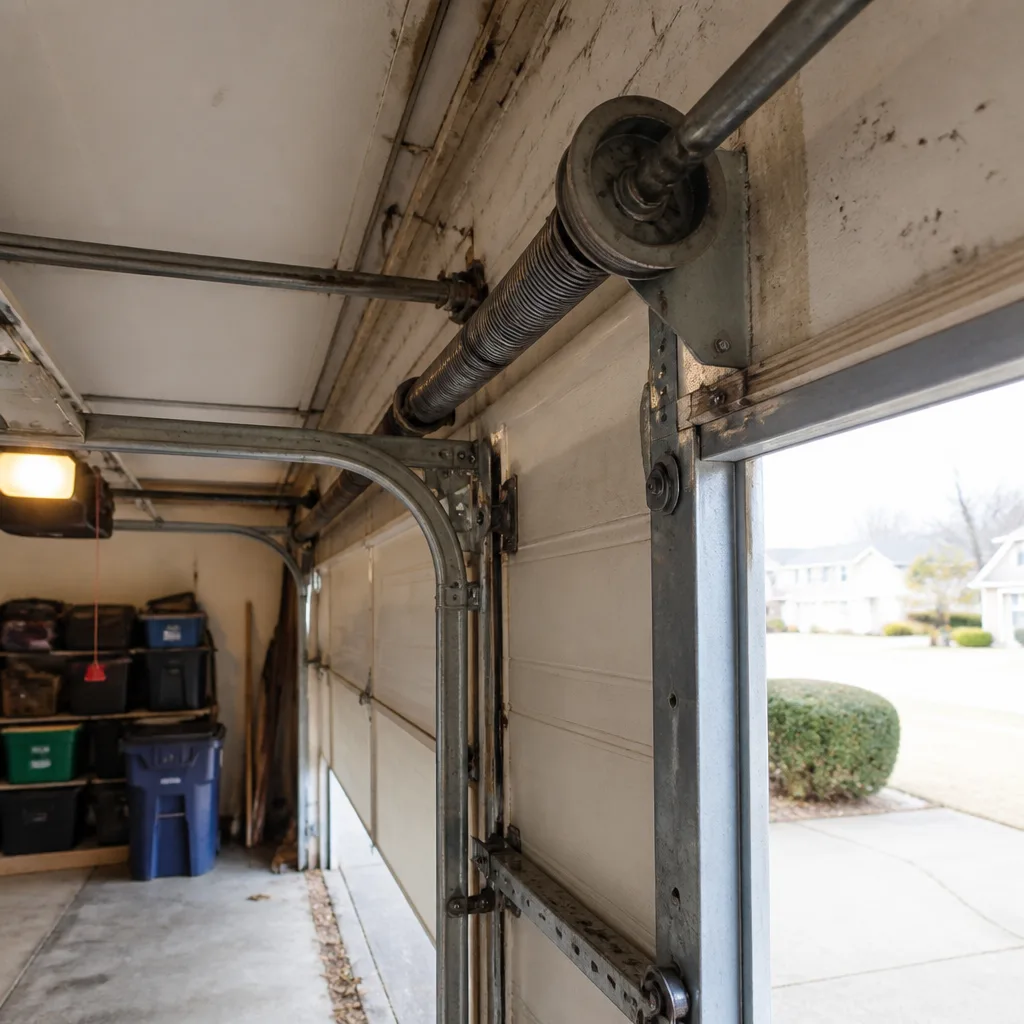 Before
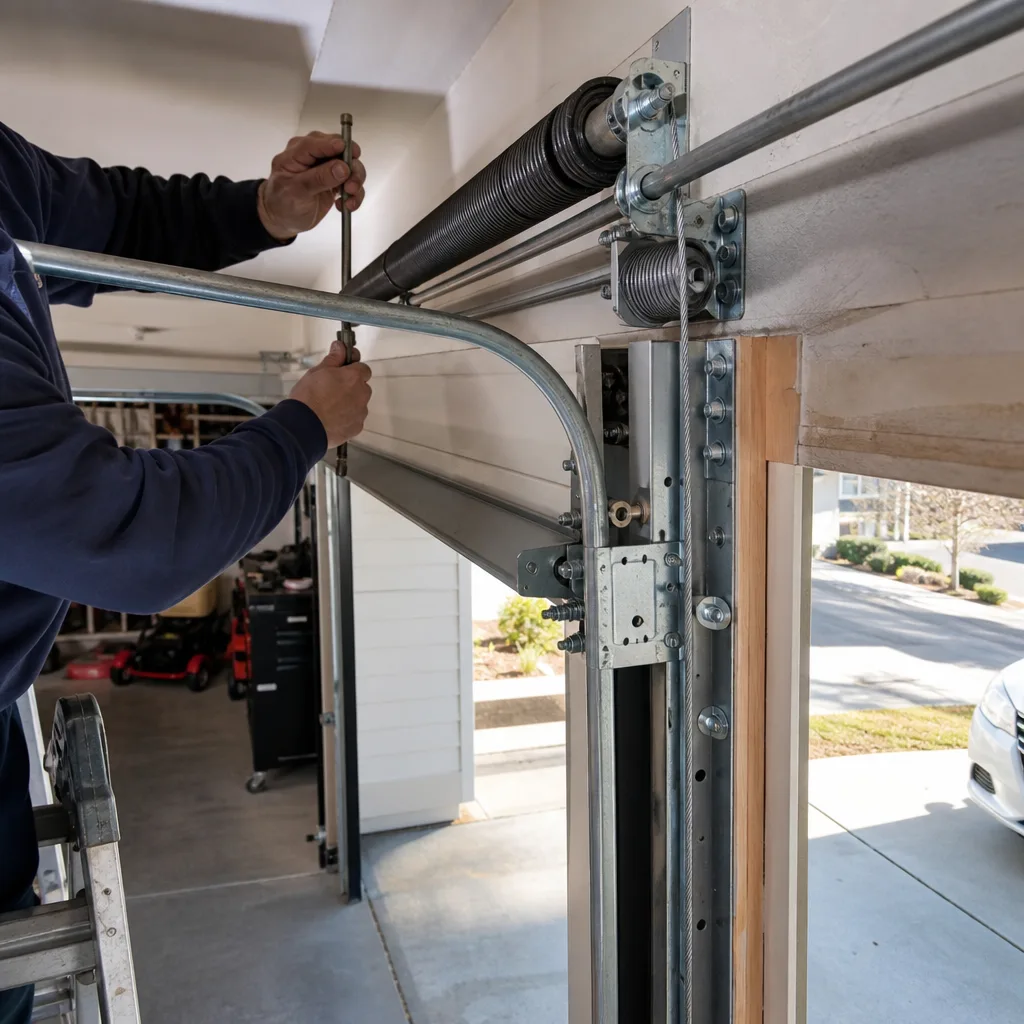 After
After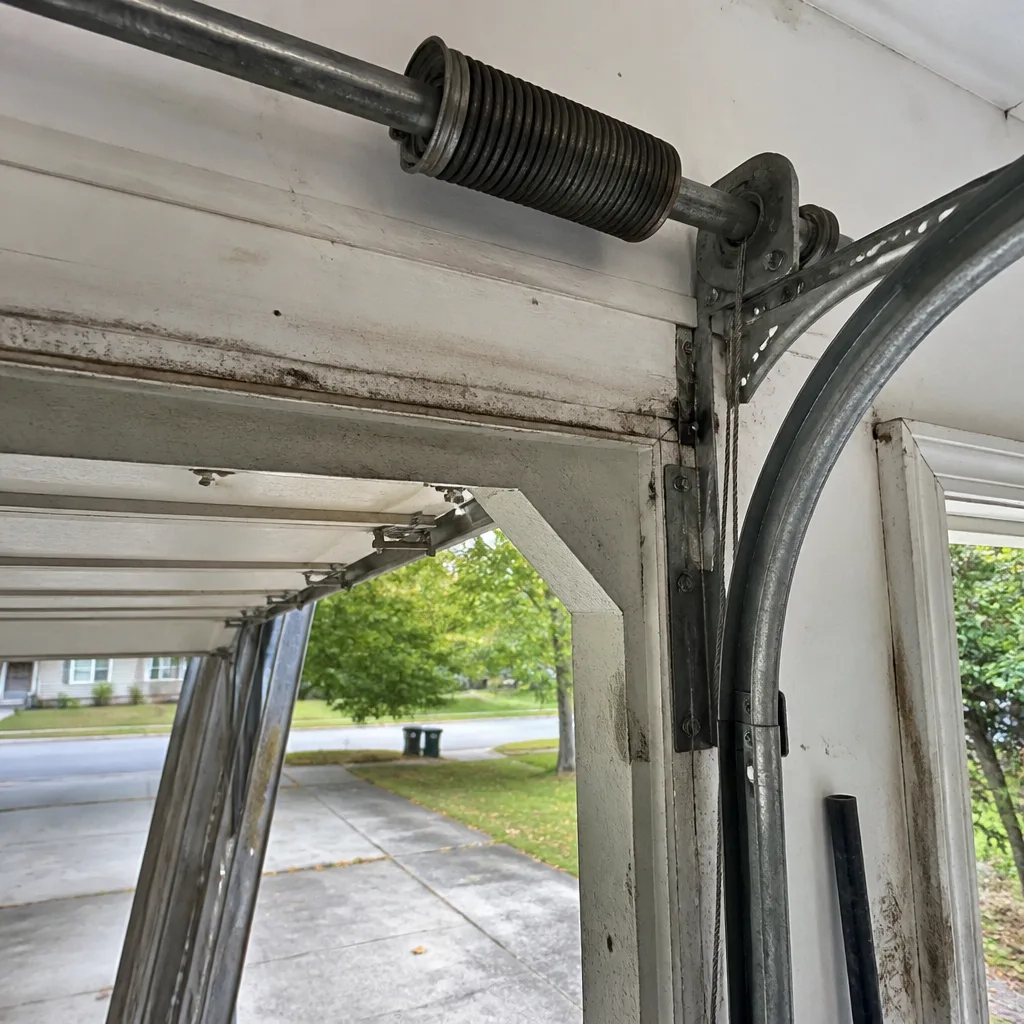 Before
 After
AfterClopay Weather Seal Replacement: The Lawrenceville Owner’s Guide
Clopay weather seal replacement in Lawrenceville typically runs $85-$180 installed, depending on door width and whether you need the bottom seal only or the full perimeter kit. We stock Clopay-compatible seals on our trucks, and in most cases we can complete the swap in under an hour the same day you call. Most owners discover the problem the same way: a strip of black rubber dangling from the bottom of the door, a line of daylight along the sides, or water pooling on the garage floor after a Gwinnett County downpour.
The weather seal is the rubber gasket that runs along the bottom edge of your garage door and the vinyl strips that line the sides and top. On Clopay doors, these are pull-in T-style or P-bulb seals that fit a retainer channel specific to the door series. When they fail, the garage stops being weather-tight, and that means more than drafts: it means pests, water, and higher cooling bills in July. Marcus Deller and our crew replace these weekly throughout Lawrenceville, and the first thing we do is measure the old seal, not guess at it.
Which Clopay Models This Applies To
Clopay manufactures a wide line of residential doors, and the good news is that weather seal replacement is straightforward across most of them. The key compatibility question is the retainer channel: the aluminum or plastic track that holds the rubber seal in place. Clopay uses a few different retainer profiles depending on the door series. Here’s what we see most often in Lawrenceville:
- Gallery Series and Coachman Series: these use a T-style bottom seal that presses into a retainer channel. Width is matched to the door, typically 8, 9, 16, or 18 feet.
- Classic Steel and Value Series: budget-friendly doors that still use Clopay’s common T-channel profile. Most of these accept an aftermarket T-style seal without modification.
- Reserve and Modern Steel Series: often feature a P-bulb style bottom seal that flares out for better contact with uneven concrete. The bulb profile matters here: installing the wrong bulb diameter leaves gaps at the corners.
- Commercial and rolling steel doors: different animal entirely. If you have a rolling steel door in a workshop or commercial bay in Lawrenceville, the weather seal system is separate and should be measured on site.
You can identify your door by the Clopay label on the inside of the top panel or the end stile. If the label is missing or painted over, we match the seal by measuring the retainer channel opening and the seal’s T-width or bulb diameter. The gotcha we see regularly: an owner buys a universal T-style seal from a box store, only to find it’s 1/4 inch too narrow for the Clopay channel and pulls out on the first cycle. That’s one reason we photograph and measure the old seal before quoting anything.
On the OEM-versus-aftermarket question: Clopay seals are reliable, but there are quality aftermarket equivalents that match the profile exactly and cost 20 to 30 percent less. What matters is the material. We use EPDM rubber, not vinyl, because EPDM holds up through Lawrenceville’s summer heat and stays flexible down to freezing, which matters for that January cold snap. We also stock parts for LiftMaster, Chamberlain, and Genie openers if your door needs attention beyond the seal.
One note before we go further: Servo Garage Doors Lawrenceville is an independent service provider. We’re not affiliated with Clopay, which means we’re free to tell you when an aftermarket seal does the job just as well, and when the OEM part is worth the premium.
Signs Your Clopay Weather Seal Replacement Is Failing
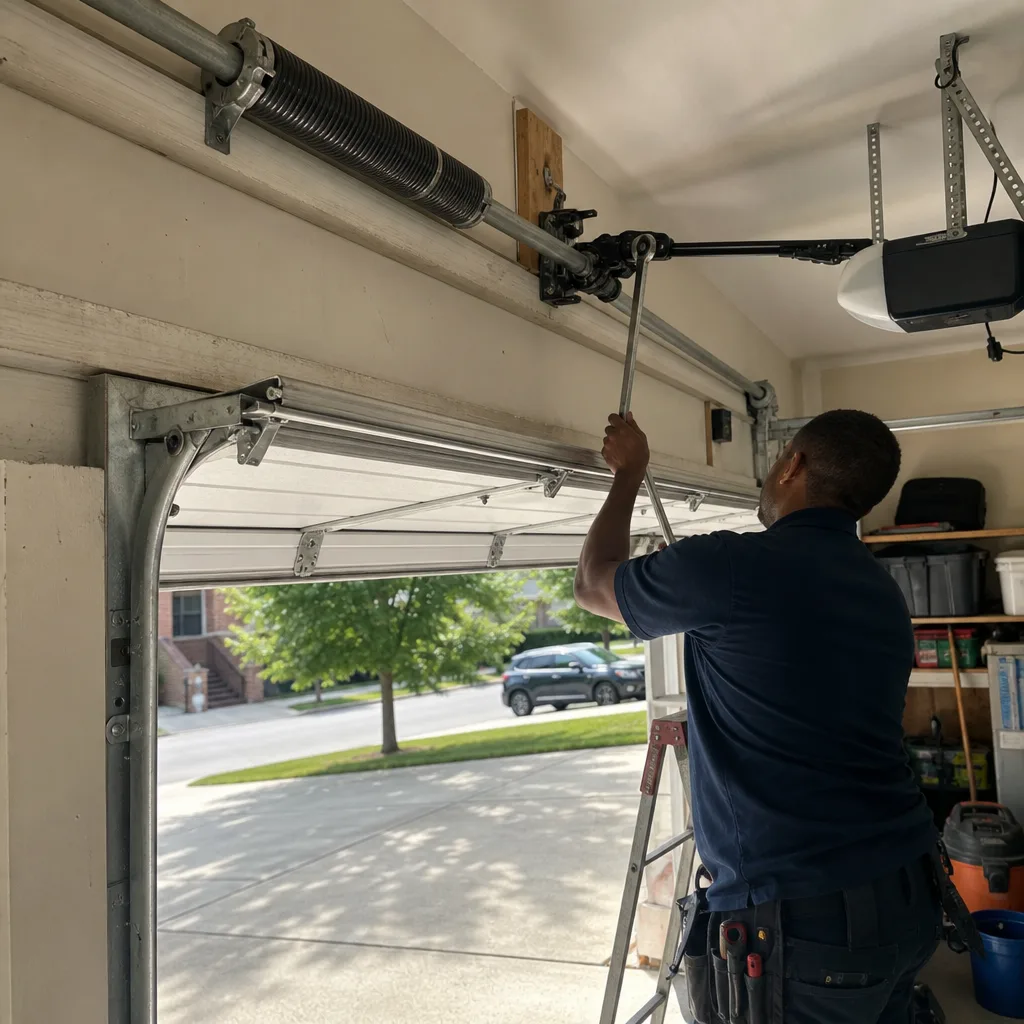
Symptoms show up before the seal falls off entirely. Here are the five signs we hear about most often on service calls in Lawrenceville:
- Daylight under the door corners. The rubber compresses over time and loses its memory, so the corners stay flat while the center still contacts the floor. If you can see light under either corner from the inside, the seal is done.
- Water or leaf litter inside the garage. Lawrenceville’s thunderstorms come in hard and fast. A worn bottom seal lets water wick under the door, and wind-blown leaves and grass clippings follow the same path.
- The seal has visible cracks or chunks missing. EPDM rubber weathers well, but after 5 to 7 Georgia summers, it can dry, crack, and start to tear at the ends. Once a chunk tears away, cold air and bugs have an open invitation.
- You can hear wind or see gaps along the side jambs. The side and top seals (called jamb seals and header seal) use vinyl strips that harden and bend out of shape. A garage that whistles during a spring storm needs new perimeter weather stripping, not just a bottom seal.
- Pest droppings or increased insect activity in the garage. When the bottom seal no longer makes full contact, ants, roaches, and crickets find their way in. A garage that smells musty or is suddenly home to spiders usually has a seal failure, not an open door problem.
BeforeAfterReplacement Cost & What’s Included
In Lawrenceville, replacing a bottom weather seal on a standard single garage door runs $85-$120 installed, including the seal material and our labor. Replacing the full perimeter set, including jamb seals and the header seal, runs $150-$180 installed on a typical two-car door. Double-wide doors add about $10 to $20 for the extra seal length.
What drives the range: the length of the door, whether the retainer channel is intact or needs a section repaired, and whether you’re replacing just the rubber or the retainer channel as well. If the retainer is bent from a past impact, we’ll include the replacement in the same written quote. You’ll know the total before we touch a thing. That’s Clause 1 of The Haven Standard: a flat, written price with the scope of work, delivered before any work starts.
Every weather seal replacement includes our 365-Day Done Right Promise: if the seal doesn’t seal, we make it right. And every visit, no exceptions, includes a documented photo record showing the state of the old seal and the new one installed. That’s Clause 4 of The Haven Standard, and it’s why you’ll see a photograph of the failed component before you see a quote from us.
DIY or Call Us?
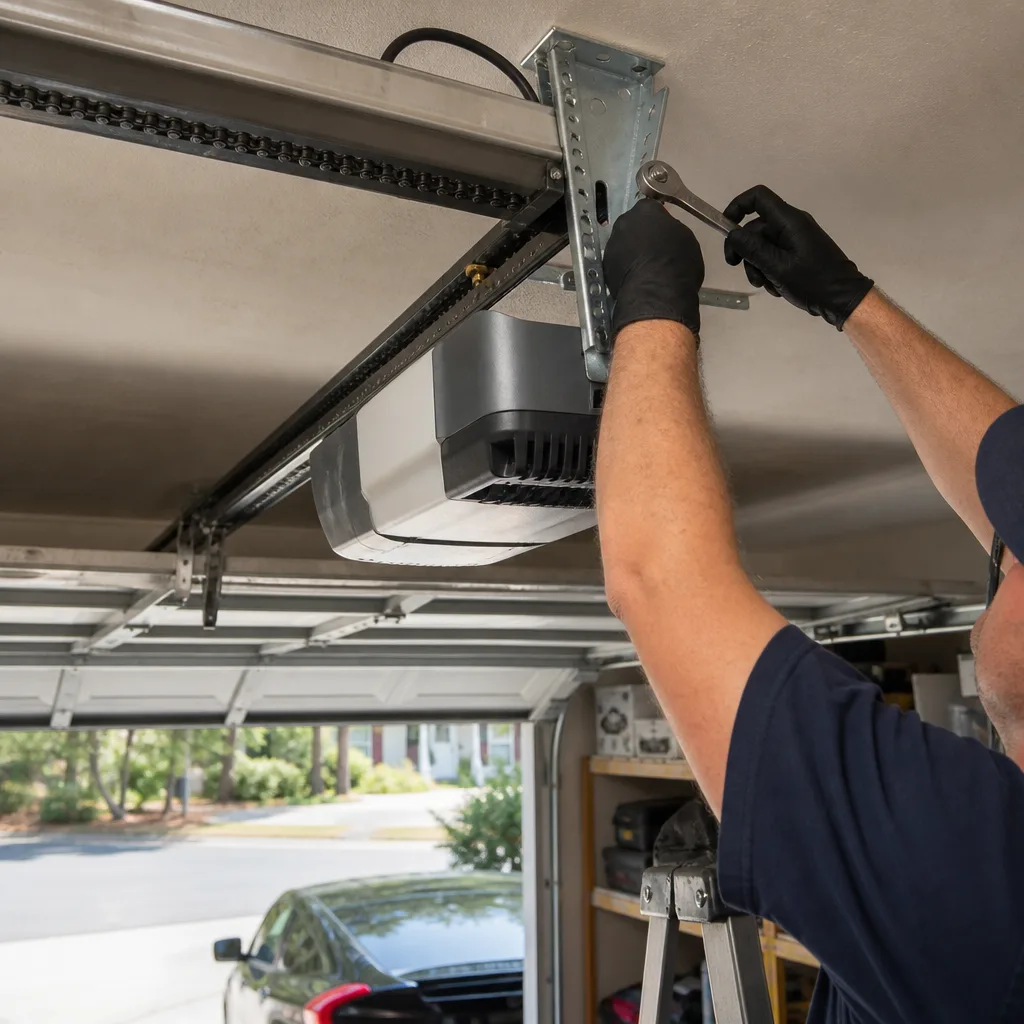
Replacing a weather seal is one of the few garage door jobs an owner can reasonably tackle, and we’ll be honest about that. The job involves pulling the old seal out of the retainer channel, cutting the new seal to length, and feeding it back through. On a same-width door with an intact channel, it’s a 30-minute job with a utility knife and a pair of pliers.
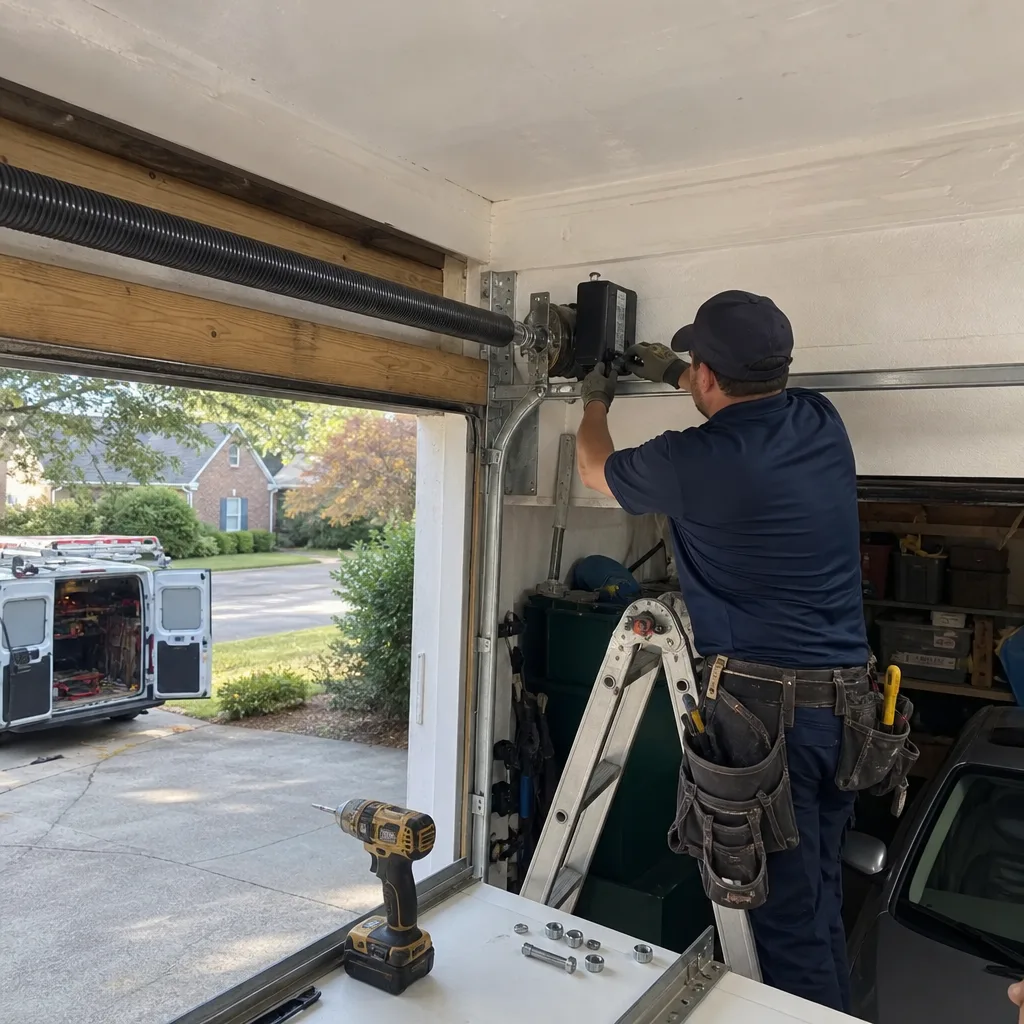
Where DIY goes sideways is when the retainer channel is damaged, the door is wider than the seal stock you bought, or the seal keeps pulling out because you matched the wrong profile. We see this with Clopay doors specifically: the T-width matters more than people expect, and a seal that slips out on the first cycle means you’ll be redoing the job in a month. There’s also the matter of working under a heavy door with the weight on the cables. We’re not telling you to avoid it, but if the door won’t stay up on its own or the seal replacement becomes a fight, put the tools down and call us at (470) 202-3917. We’ll send a tech who measures, matches, and swaps it while you go back to your Saturday.
FAQs
In our climate, a Clopay bottom seal typically lasts 5 to 7 years, while jamb and header seals can go 8 to 10. The Georgia sun and heat accelerate rubber aging, and seals on south-facing doors wear faster than those on shaded doors. If your garage door faces full afternoon sun, expect the shorter end of that range. Call (470) 202-3917 and we’ll inspect yours and give you a straight answer.
Small tears at the ends can sometimes be trimmed and re-seated, but once the rubber has lost its flexibility, patching doesn’t work. The material needs to flex every time the door cycles, and a patched seal will separate at the patch within a few weeks. If the seal is cracked, flattened, or pulling out of the channel, replacement is the only fix that holds. Estimates are free: call (470) 202-3917 and we’ll measure yours on site.
A standard bottom seal swap takes 30 to 45 minutes. A full perimeter replacement, including side jambs and header seal, takes about an hour to an hour and a half. Most Lawrenceville jobs are done in a single visit. We’ll give you a written time estimate when we confirm the appointment.
Yes. Our service trucks carry Clopay-compatible T-style and P-bulb seals in the most common residential widths for Lawrenceville homes. If your door has an unusual retainer profile, we’ll measure, order the correct part, and schedule the install once it arrives, often within two business days. Call (470) 202-3917 for details.
Name the part, quote the number, then do the work. That’s how we handle every Clopay weather seal replacement in Lawrenceville, and it’s the only way Marcus Deller runs a job.
Written by Marcus Deller, Owner, Servo Garage Doors Lawrenceville at Servo Garage Doors Lawrenceville, serving Lawrenceville and nearby areas.