
Last updated September 20, 2026
Full 25-point door and opener safety check with every visit - springs, cables, rollers, tracks, and your LiftMaster or Chamberlain opener included
You get a price before we start. It does not change when the truck arrives.
Full-view glass
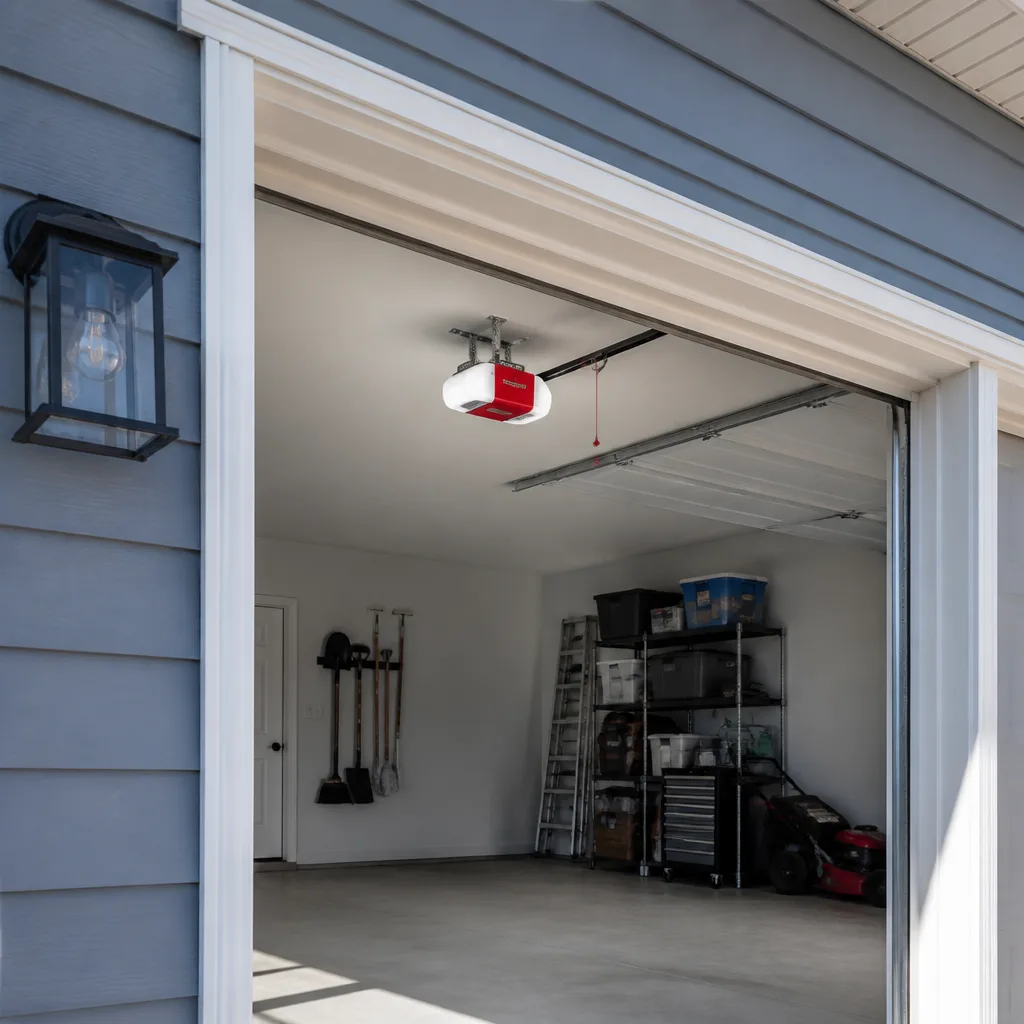
Chamberlain openers
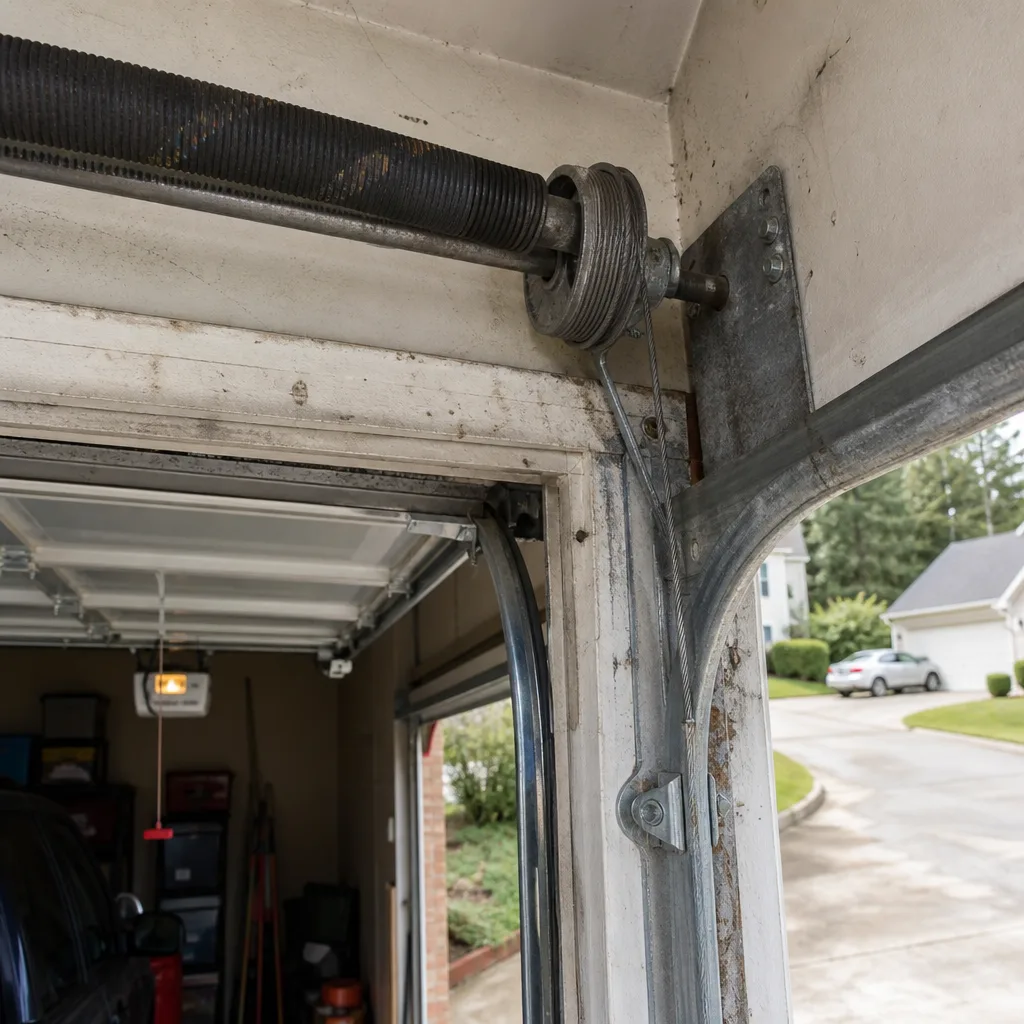 Before
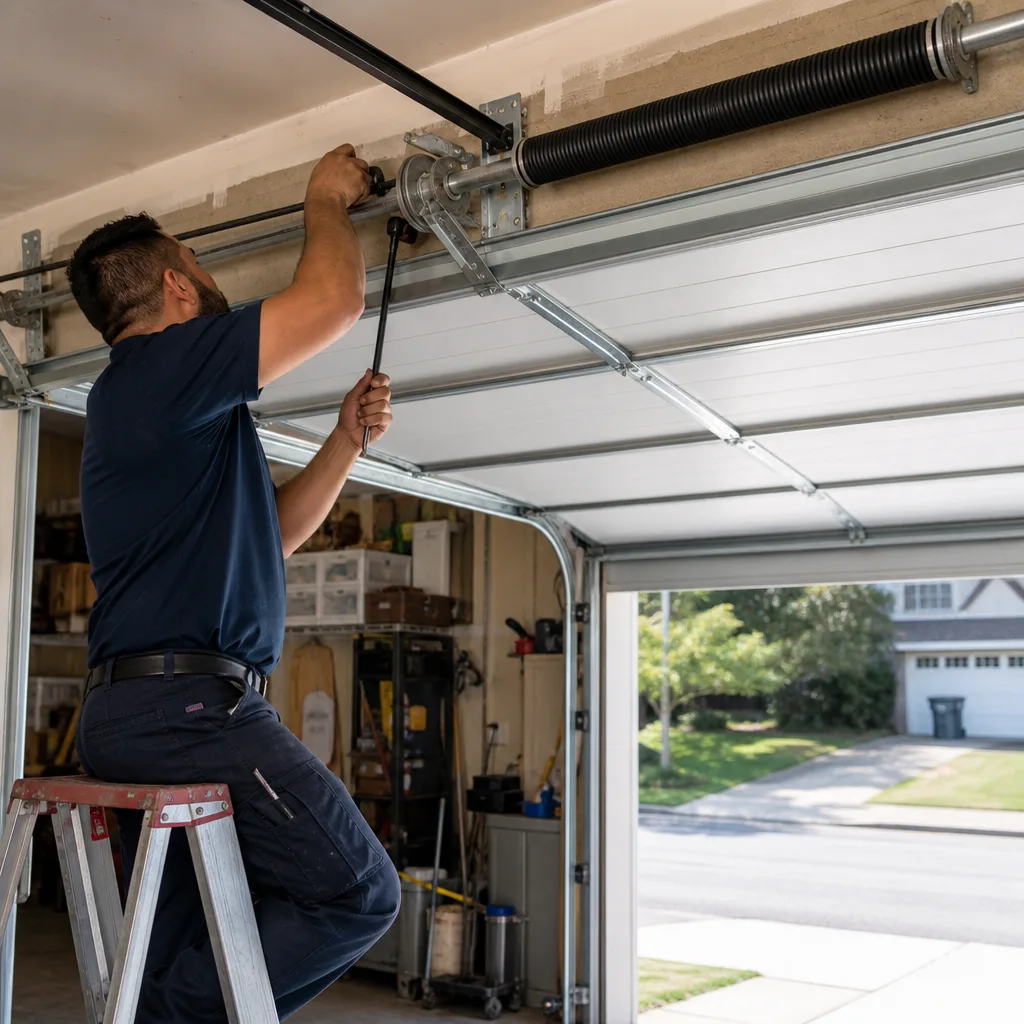 After
After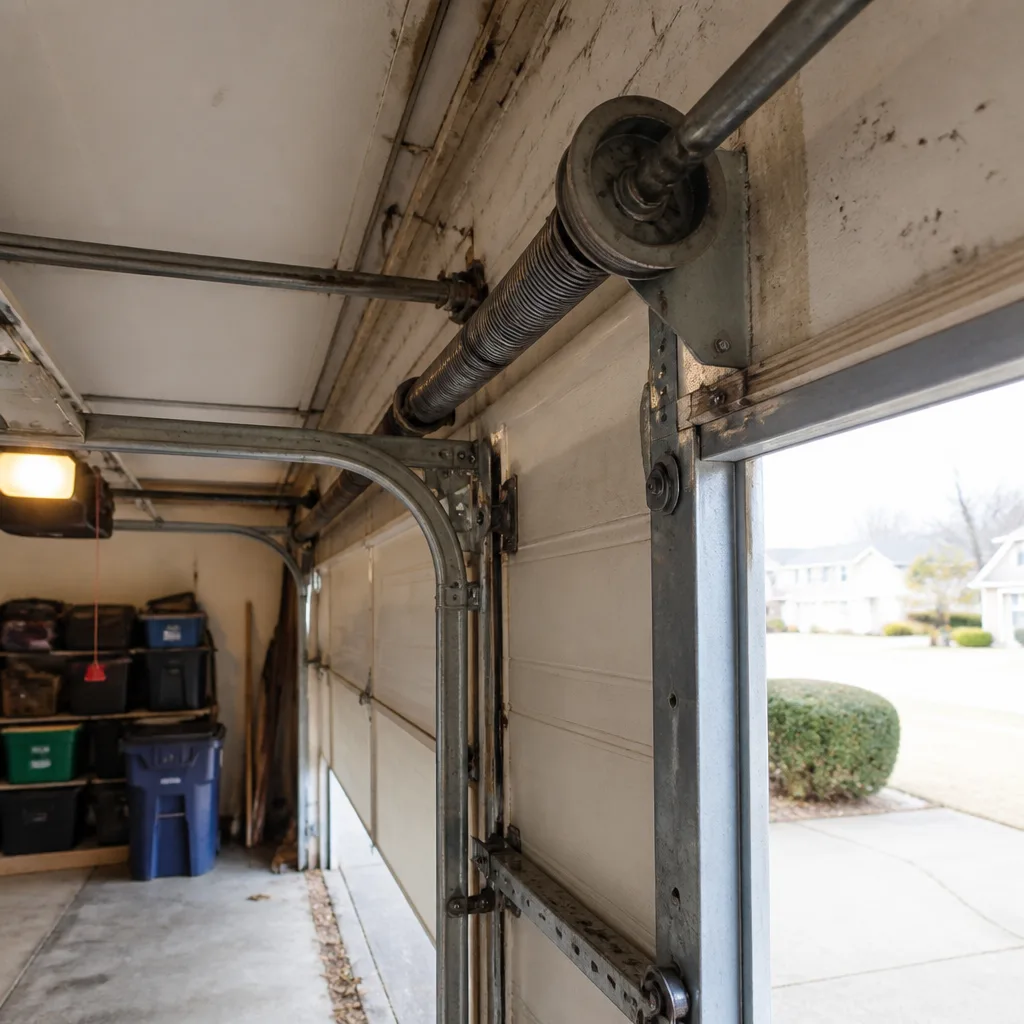 Before
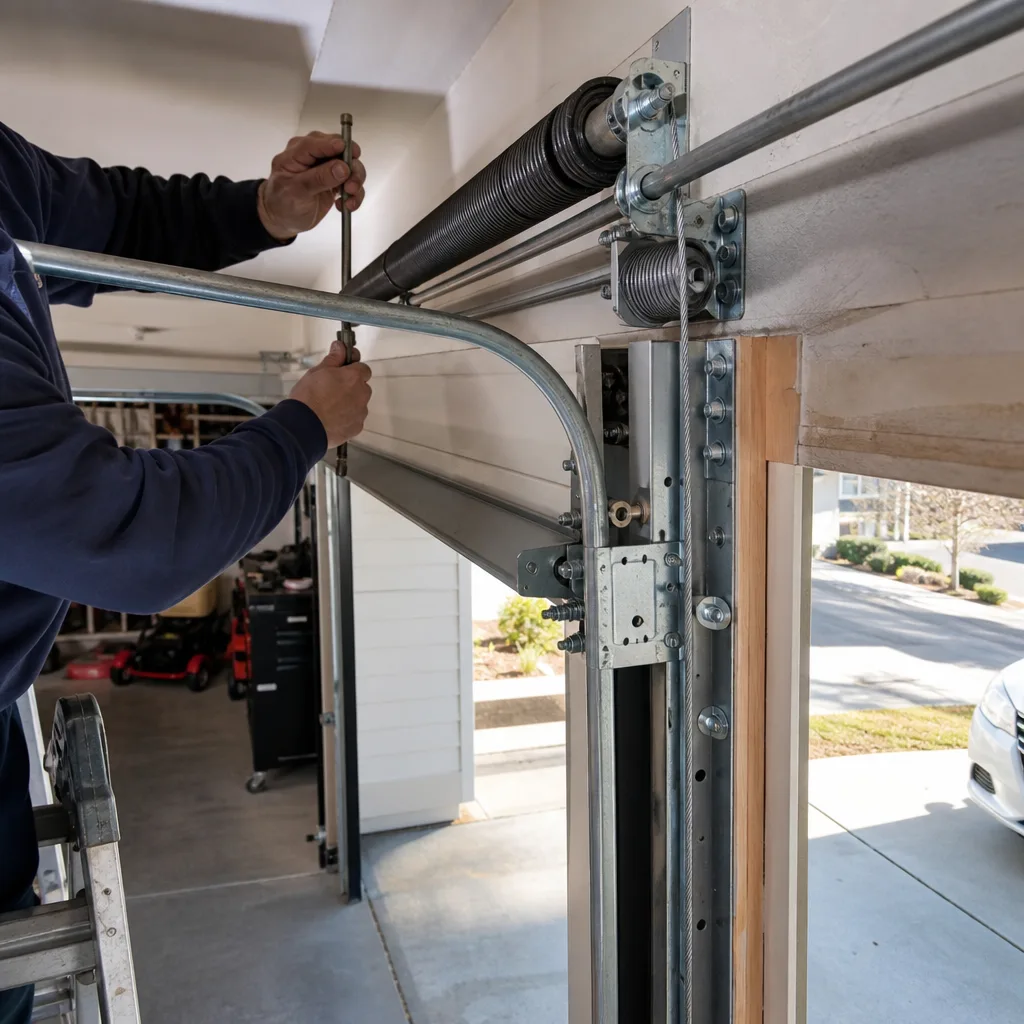 After
After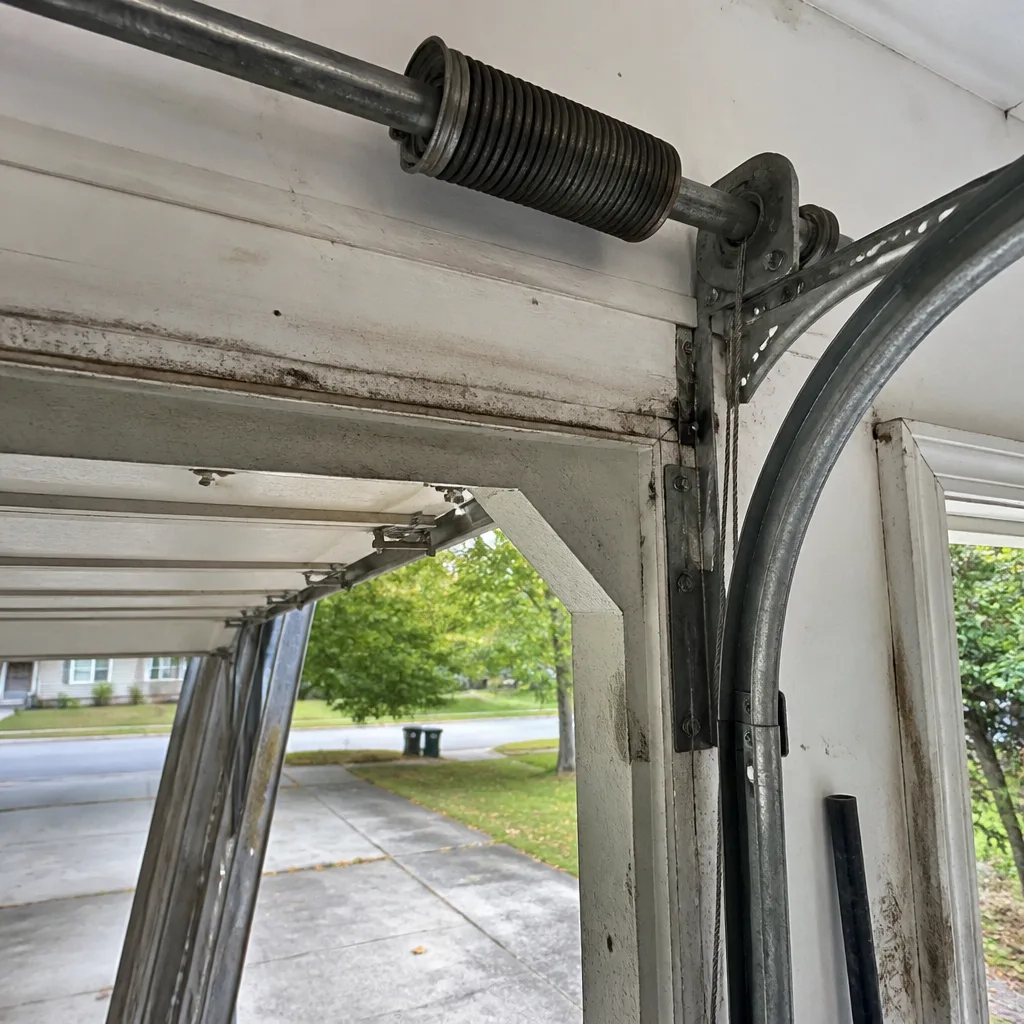 Before
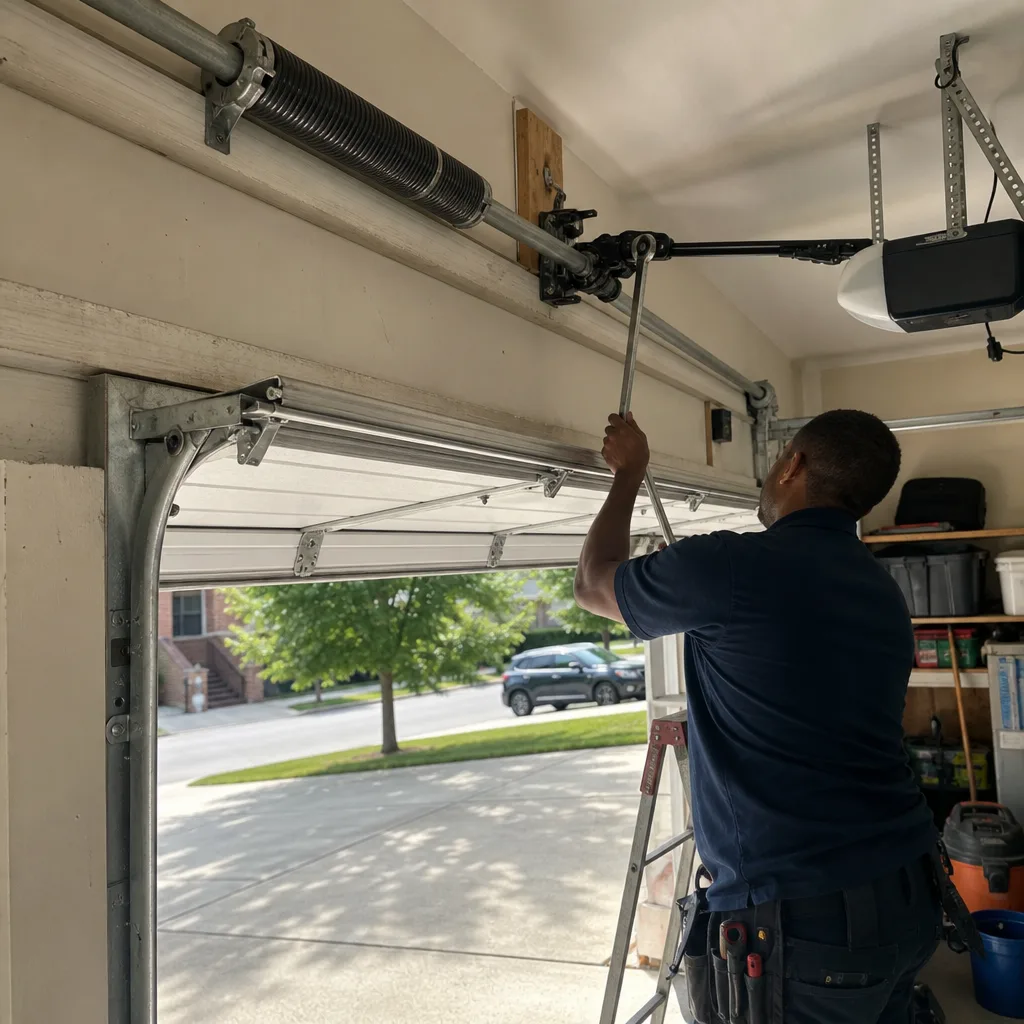 After
AfterSeasonal Garage Door Care for Lawrenceville: Year-Round Homeowner’s Guide
National garage door maintenance guides are written for Minneapolis or Phoenix. Lawrenceville gets neither the sustained freeze nor the dry heat, and the maintenance calendar that results from its actual climate looks like neither of those. What we see in Lawrenceville follows a different rhythm entirely: pine pollen packing into roller tracks in April, thermal expansion shifting panel geometry in July, and ice events in January that catch doors unprepared because nobody thought Georgia winters required preparation. This guide covers what actually happens to garage doors in Lawrenceville across all four seasons, what to check, what to leave alone, and what will cost you real money if you ignore it. For a deeper dive, see The Complete Guide to Garage Door in Lawrenceville. You’ll learn the specific tasks worth doing each season and the one test that matters more than everything else combined.
Quick Answer
Seasonal garage door care in Lawrenceville means four things: clearing pine pollen from tracks and rollers each spring, checking limit-switch settings during summer heat, lubricating hinges and rollers each fall, and knowing how to free a frozen bottom seal without tearing the rubber during winter. The single highest-value task in any season is a spring balance test using a six-inch lift measurement, which reveals wear before it becomes a $180 to $340 spring replacement. Most failures here are gradual, visible early, and preventable with about 30 minutes of attention per season.
Table of Contents
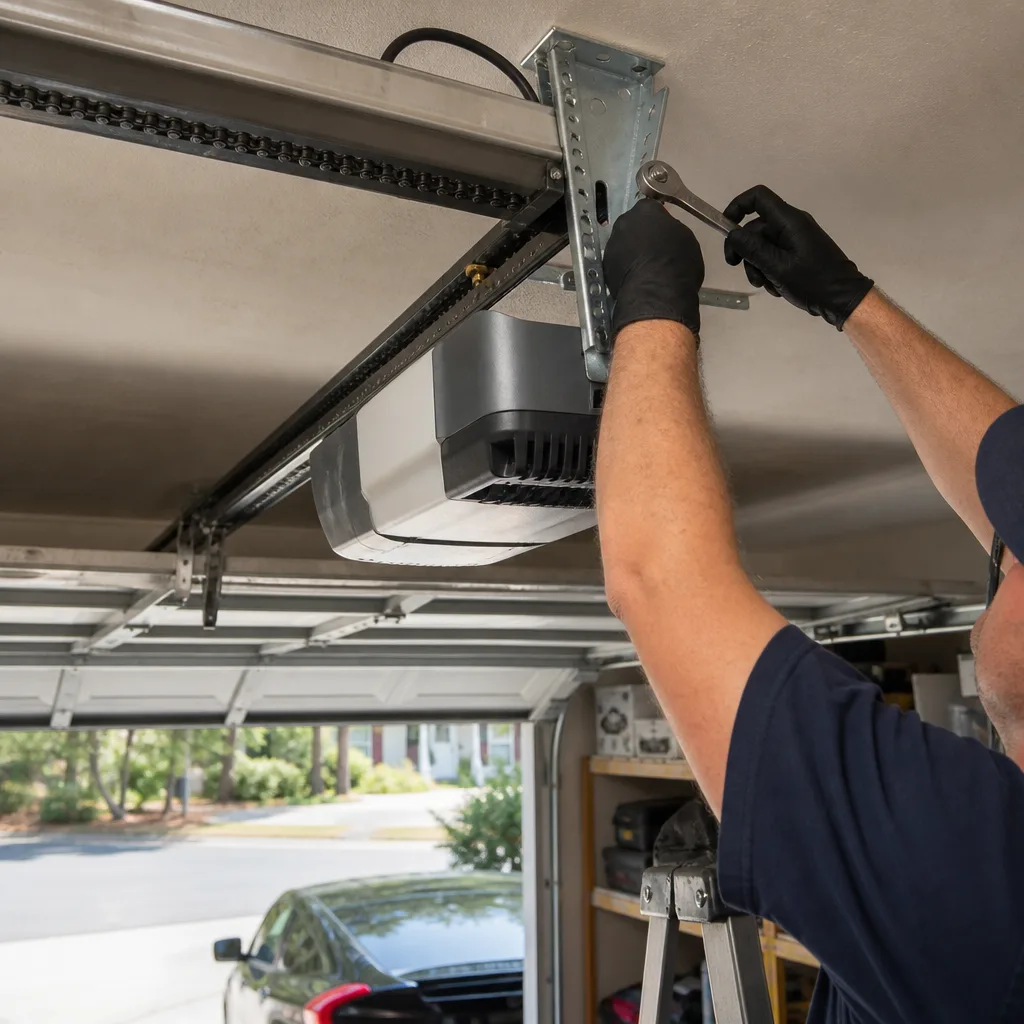
- Spring in Lawrenceville: Pollen, Humidity, and the Corrosion Problem
- Summer in Lawrenceville: Thermal Expansion and Limit-Switch Drift
- Fall in Lawrenceville: The Pre-Winter Check That Actually Matters Here
- Winter in Lawrenceville: Ice Event Protocol for Frozen Doors
- The Spring Balance Test: The One Task That Spans All Seasons
- Lubrication in a Humid Climate: What to Use, What to Avoid
- Common Mistakes to Avoid
- When to Call a Professional
- Frequently Asked Questions
- The Bottom Line
BeforeAfterSpring in Lawrenceville: Pollen, Humidity, and the Corrosion Problem
Lawrenceville sits in the middle of Georgia’s pine belt. From late March through early May, yellow-green pine pollen settles on every horizontal surface, including the inside of your garage door tracks. What most people don’t realize is that pine pollen is acidic. When it combines with the humidity that starts building in April, it creates a mildly corrosive paste that accelerates rust on uncoated steel components, particularly the roller stems and the inside face of the tracks.
We’ve opened doors in Lawrenceville in May where the rollers looked like they’d been dipped in yellow grit. The door still worked, but it was dragging, and the bearings were grinding through pollen that had hardened into a film. By June, that film works its way into the bearing and accelerates wear. The fix in spring is straightforward:
- Wipe down both vertical tracks and the horizontal track with a dry microfiber cloth to remove loose pollen. Do this before adding any lubricant. Lubricant on top of pollen creates a grinding paste.
- Inspect the rollers. If they’re nylon with exposed steel stems, check the stems for early rust bloom. A light wipe with a silicone spray on the stem only, not the wheel, slows corrosion.
- Check the bottom seal. Pollen collects in the folds of the rubber seal and holds moisture against the aluminum retainer. A dry cloth removal each spring extends the seal’s life by years.
- Run the one-wipe test: open the door halfway, release it from the opener, and wipe one track with a clean white cloth. If the cloth comes back gray or yellow, the rollers are carrying abrasive material and are wearing faster than they should.
In our experience serving Lawrenceville homes since 2015, spring pollen neglect shows up as noisy operation by July and worn roller bearings by the following year. The ten minutes it takes to wipe tracks in April prevents most of it.
Summer in Lawrenceville: Thermal Expansion and Limit-Switch Drift
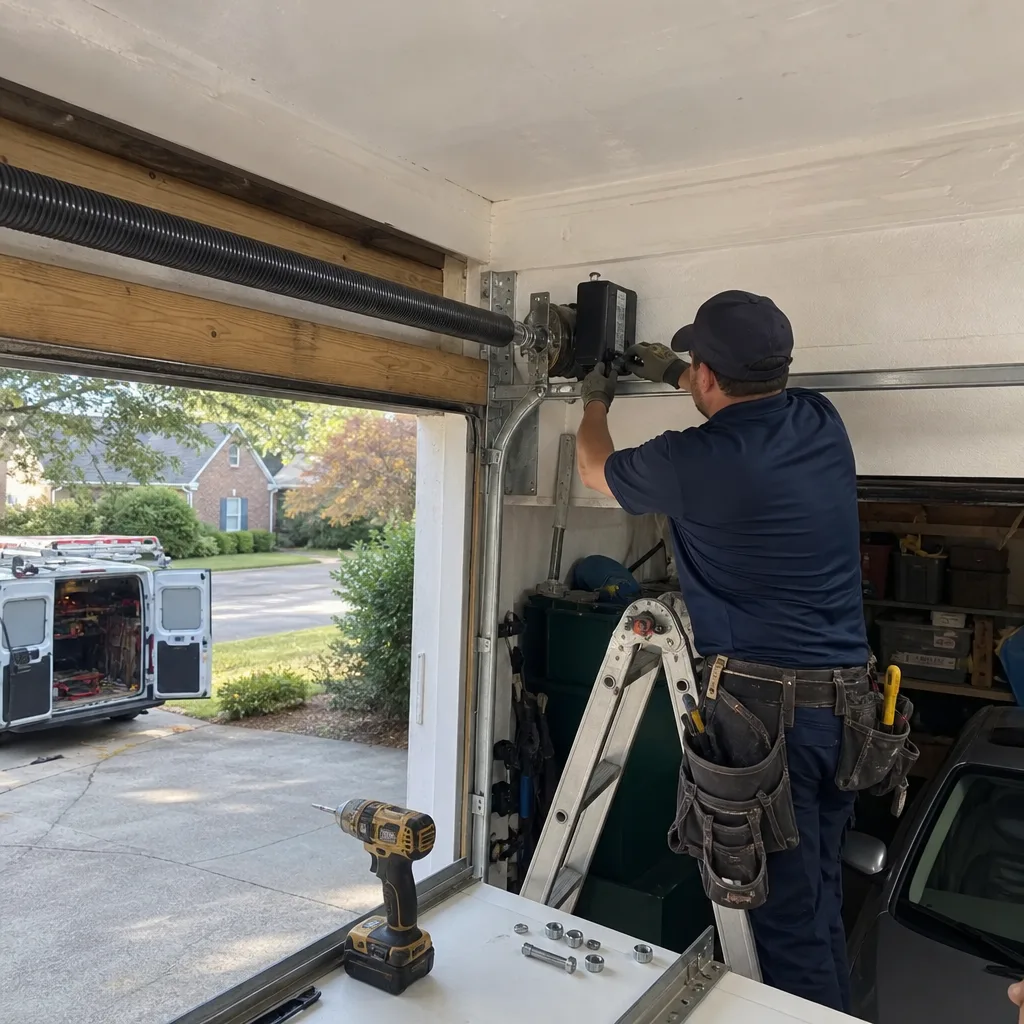
Lawrenceville’s July and August days routinely reach 90°F and above. Steel garage door panels expand measurably in that heat. A 16-foot steel door can grow by roughly 1/8 to 1/4 inch across its width during the hottest part of the day. That doesn’t sound like much, but it changes how the door sits in the tracks and how the opener interprets its travel limits.
Limit switches tell the opener where the door should stop at the top and bottom of its travel. When panels expand in summer heat, a door that was perfectly adjusted in March may not close fully in July, leaving a small gap at the bottom. Or the opener may strain against the stop point because the door is effectively longer than it was when the limits were set. Homeowners often mistake this for a failing opener and replace a working logic board when the actual fix is a limit adjustment.
The difference between limit-switch drift and a genuinely failing opener is predictable:
- Limit-switch drift: The door closes fully but reverses and reopens about 6 inches from the floor. Or it stops 2 to 3 inches short of fully closed. This is thermal expansion changing the effective door height.
- Failing opener: The motor runs but the door doesn’t move, or the opener makes a grinding sound at the drive gear, or the door starts and stops at random intervals. These indicate a mechanical or electrical problem, not a temperature effect.
If the door only misbehaves during the hottest hours and works fine in the morning and evening, that points to expansion, not failure. Our technicians in Lawrenceville adjust summer limits frequently on steel doors, particularly darker colors that absorb more heat. The adjustment takes minutes and should be done with the door cool, not at 3 p.m. when the panel is at maximum expansion.
Fall in Lawrenceville: The Pre-Winter Check That Actually Matters Here
Most garage door winterizing guides were written for USDA Zone 5 and colder. Lawrenceville sits in Zone 7b, where the average winter low stays above freezing. That changes which winter-prep tasks matter and which ones waste your time. You don’t need to switch to cold-weather lubricants, you don’t need to install insulation panels on an uninsulated door for freeze protection, and you don’t need to replace weatherstripping rated for subzero temperatures.
What you actually need to do in October or November in Lawrenceville:
- Lubricate the rollers, hinges, and torsion spring. Use a garage-door-specific lubricant, not WD-40. WD-40 is a solvent and degreaser; it strips lubrication and leaves metal dry. A white lithium grease or silicone spray formulated for garage doors is correct. Apply to the roller bearings, hinge pivot points, and the torsion spring along its length.
- Check the bottom seal for cracks and hardening. Georgia’s summer UV breaks down the rubber. If the seal is cracked or has lost flexibility, replace it before the first freeze. A brittle seal tears easily when ice forms around it.
- Inspect the weatherstripping around the frame. Lawrenceville’s winter rain events push water against the door perimeter. Frayed or compressed weatherstripping lets moisture in, which corrodes track hardware and the door’s lower panels over time.
- Check and tighten all track bolts and hinge screws. The expansion and contraction cycle from summer to fall loosens fasteners. A loose hinge changes door geometry and accelerates wear on the opposite side.
- Run the opener through a full cycle and listen. Fall is when you want to identify developing noise, because once cold weather sets in, a marginal bearing or gear gets louder and a small issue becomes a failure in the worst weather.
Skip the parts of northern winterizing guides that tell you to add low-temperature grease or replace your opener’s motor oil. In Lawrenceville’s climate, those steps do nothing for you. The lubricants rated for normal temperatures work fine in Zone 7b winters.
Winter in Lawrenceville: Ice Event Protocol for Frozen Doors
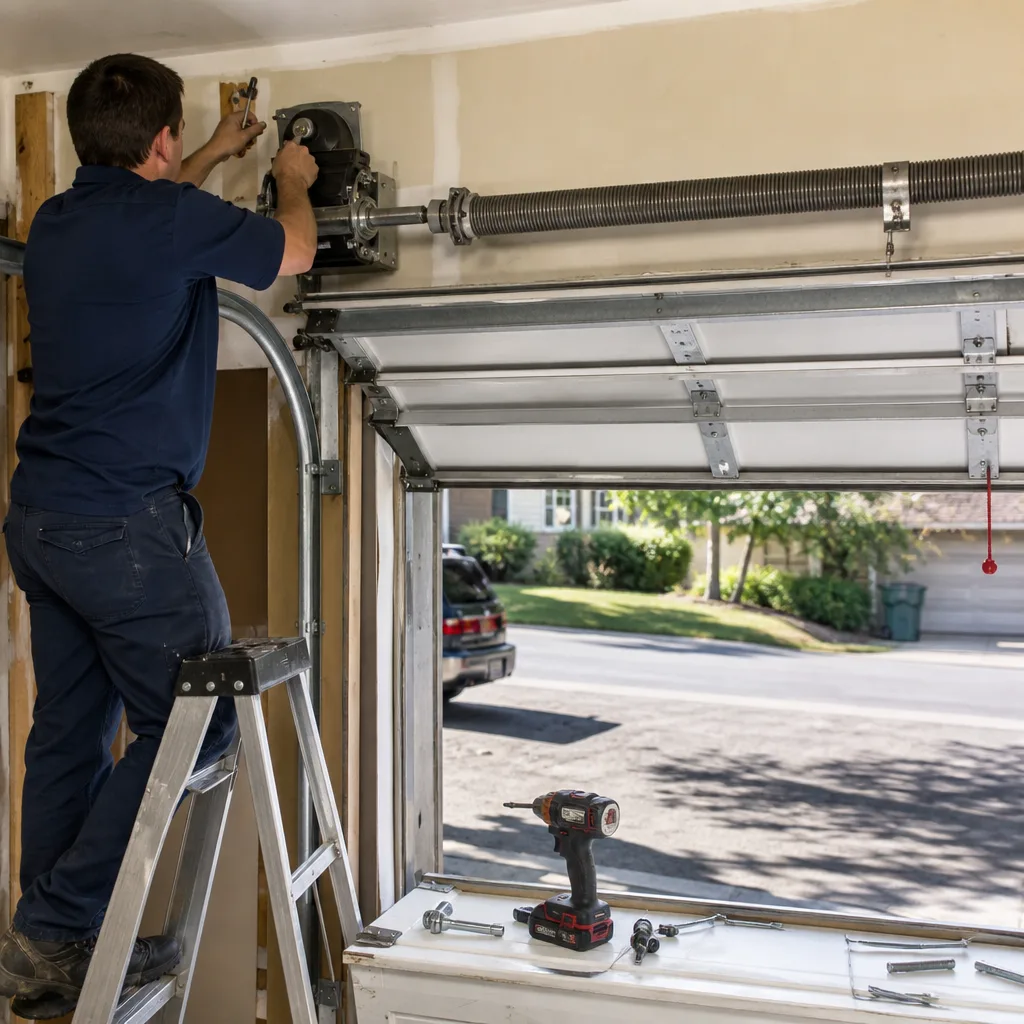
Lawrenceville gets ice events, not sustained freezes. Usually once or twice per winter, a cold front brings freezing rain, and the bottom seal of the garage door freezes to the concrete. The natural reaction, pulling the opener remote and letting the opener muscle the door free, is exactly the wrong move. The opener’s drive gear, on a LiftMaster, Chamberlain, or Genie unit, is often a nylon or composite gear designed to strip before the motor burns out. When the door is frozen down and the opener strains against the ice, that gear is the sacrificial part. Replacing it costs more than any weather-proofing measure.
The correct sequence for freeing a frozen door without damaging the seal or the opener:
- Disconnect the opener using the red emergency release cord. Pull the door open manually by hand to confirm it’s frozen at the seal and not jammed elsewhere.
- If slight movement is possible, gently rock the door by lifting and lowering it an inch at a time. The flex breaks thin ice bonds without tearing the rubber.
- If the door won’t move at all, apply warm water, not hot, along the bottom seal from inside the garage. Hot water cracks rubber. A hairdryer on low also works if you have an outlet nearby.
- Never use a pry bar, screwdriver, or ice scraper on the bottom seal. Once the rubber tears, you’re buying a new seal, and that’s a straightforward $80 to $150 repair in this market, though it varies by door width and seal type.
- Once free, wipe the concrete threshold dry and apply a light coat of silicone spray to the bottom seal. Silicone repels water and reduces the chance of refreezing when the next ice event arrives.
One Lawrenceville-specific note: garages on sloped driveways, common in neighborhoods like Sugarloaf and along the older sections of downtown, collect runoff that freezes faster than flat driveways. If your garage sits below grade, check the threshold seal in fall. A damaged threshold seal is the difference between a door that opens after an ice event and one that’s frozen solid.
The Spring Balance Test: The One Task That Spans All Seasons
Every other maintenance task on this page addresses a symptom. The spring balance test addresses the underlying structure. Torsion springs carry the weight of the door. When they weaken, the opener takes up the extra load, and that’s what kills openers early, bends tracks, and eventually snaps cables. The balance test takes under two minutes and tells you exactly where your springs are in their lifespan.
Here’s the test, done correctly:
- Close the door. Pull the red emergency release cord to disconnect the opener from the door.
- Lift the door manually to about waist height, around three feet off the ground.
- Let go. A properly balanced door stays in place or drifts very slowly. A door with failing springs drops.
- Now lift the door to fully open. It should rise smoothly with consistent resistance throughout the travel. If it feels heavier in the middle, a spring is losing tension.
- Lower the door halfway again and let go. If it drops more than six inches or slams downward, the springs are past the point where adjustment helps. They need replacement.
The six-inch measurement matters. We tell Lawrenceville homeowners to photograph or mark where the door stops when released at half height. Repeating this test every three months and comparing the drop distance over time gives you a trend line. A door that held position in January and drops four inches by July is telling you its springs are failing gradually, long before they snap at an inconvenient moment. Torsion spring replacement in Lawrenceville typically runs $180 to $340 including the spring, labor, and a balance check afterward, and it’s the most common repair we perform. For a full picture of what garage door work costs locally, see our Garage Door Cost Breakdown: The Lawrenceville Homeowner’s Reference for 2026. Catching it early means you schedule the replacement on your terms instead of discovering a snapped spring at 7 a.m. on a workday.
For this test and every other task in this guide, we follow a documentation rule. Photograph the door position when you release it, with a date. If you call us for Garage Door Parts in Lawrenceville, that dated photo gives us a baseline to work from. It’s the same principle we apply on every service visit: evidence first, conclusions second.
Lubrication in a Humid Climate: What to Use, What to Avoid
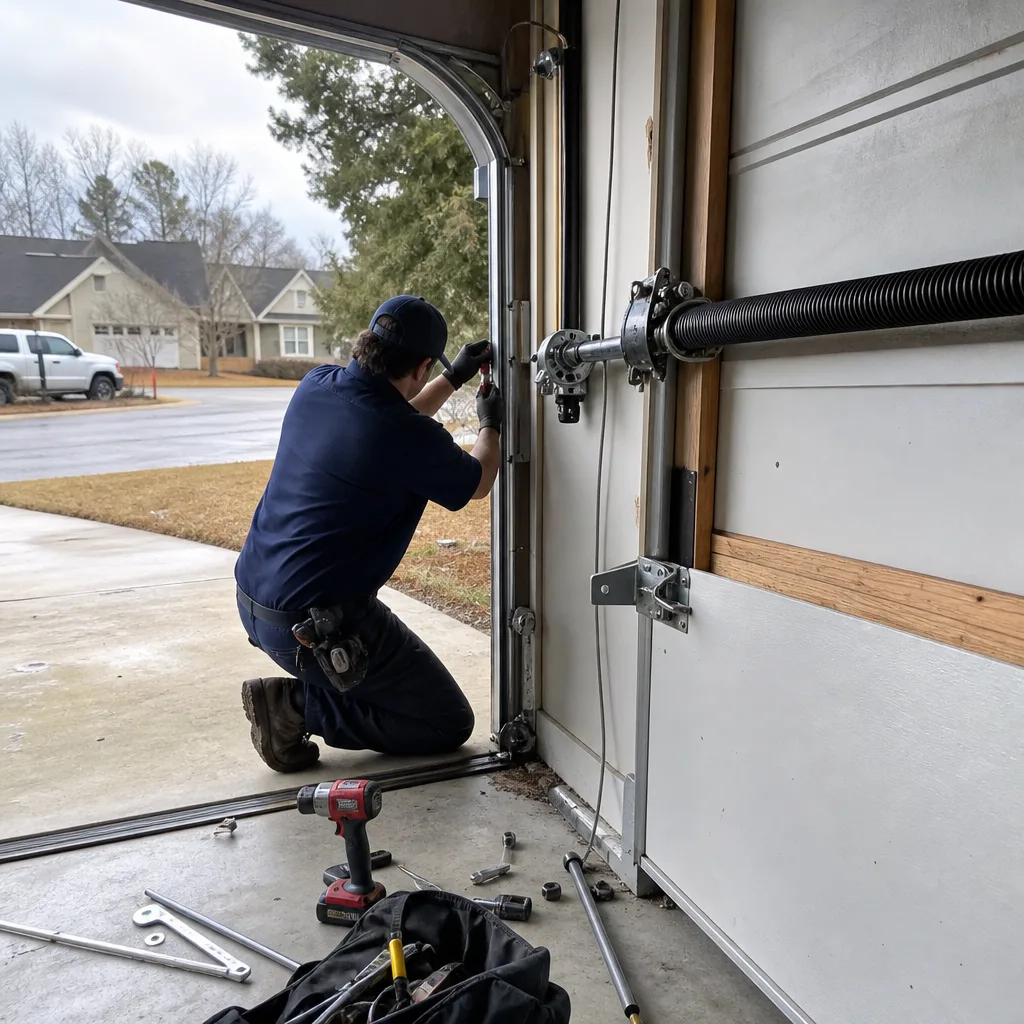
Lawrenceville’s humidity is the constant variable in every seasonal maintenance decision. Air that holds 80% moisture in July accelerates corrosion on bare steel, and it also changes how lubricants behave. In a dry climate, a thin silicone spray works year-round. Here, during summer, we need products that stay in place rather than running off.
The correct lubricant approach for Lawrenceville:
- Roller bearings and hinges: White lithium grease or a garage-door-specific spray. Apply a small amount, wipe away excess. Excess lubricant attracts pollen in spring and dust in summer, creating the same abrasive paste you’re trying to prevent.
- Torsion spring: A light coat of lithium or silicone spray along the full length. This reduces friction between coils as the spring winds and unwinds. A dry torsion spring rusts along the coil edges, which creates stress points where breaks eventually occur.
- Track: Nothing. Do not lubricate the track. The rollers need clean, dry track surfaces to roll properly. Grease in the track collects dirt and creates drag. If the track is dirty, wipe it. If it’s rusty, replace it.
- Bottom seal: Silicone spray in winter only, applied to the rubber face. This prevents ice adhesion. In summer, leave the seal dry; silicone on the seal in pollen season becomes a sticky pollen trap.
Avoid WD-40 on any garage door component. It’s a water displacer and degreaser, not a lubricant. It strips the protective film from bearings and leaves them more vulnerable to Lawrenceville’s humid air than if you’d done nothing. The single most common mistake we see in service calls is a homeowner who lubricated everything with WD-40 the previous weekend and created a grinding surface that accelerated wear.
Common Mistakes to Avoid
- Lubricating the track. Tracks should stay dry and clean. Grease in tracks collects pollen in spring and grit in fall, and the door ends up dragging instead of rolling. If you’ve greased your tracks, wipe them clean and start over.
- Forcing a frozen door with the opener. The drive gear is designed to fail before the motor burns out, which means one ice event can turn a free fix into a $150 to $250 gear replacement. Always use the red release cord first.
- Ignoring spring noise from the torsion spring. A popping or creaking torsion spring is not normal. It’s a sign of friction between coils or corrosion along the spring. Ignoring it leads to premature snap failure, which in Lawrenceville’s humid climate happens faster than in dry regions.
- Using northern winterizing products in Zone 7b. Low-temp greases and -40°F seal materials are unnecessary in Lawrenceville and often perform worse at normal operating temperatures. Buy products rated for your actual climate.
- Replacing the opener when the limits drift in summer. Thermal expansion changes door geometry in July. If the door only misfires during heat waves and works fine at 7 a.m., the opener is probably fine. The limits need adjustment, not replacement.
- Skipping the fall inspection entirely. Lawrenceville’s fall weather is mild, and it’s easy to put off garage door work when nothing is obviously broken. But the fall inspection is when you catch loose fasteners and dry bearings before winter rain and ice turn small issues into failures.
- Deferring spring replacement until it snaps. The balance test shows weakening springs months before failure. Replacement costs about the same either way, but scheduling it means you pick the day, not the broken spring picking it for you.
When to Call a Professional
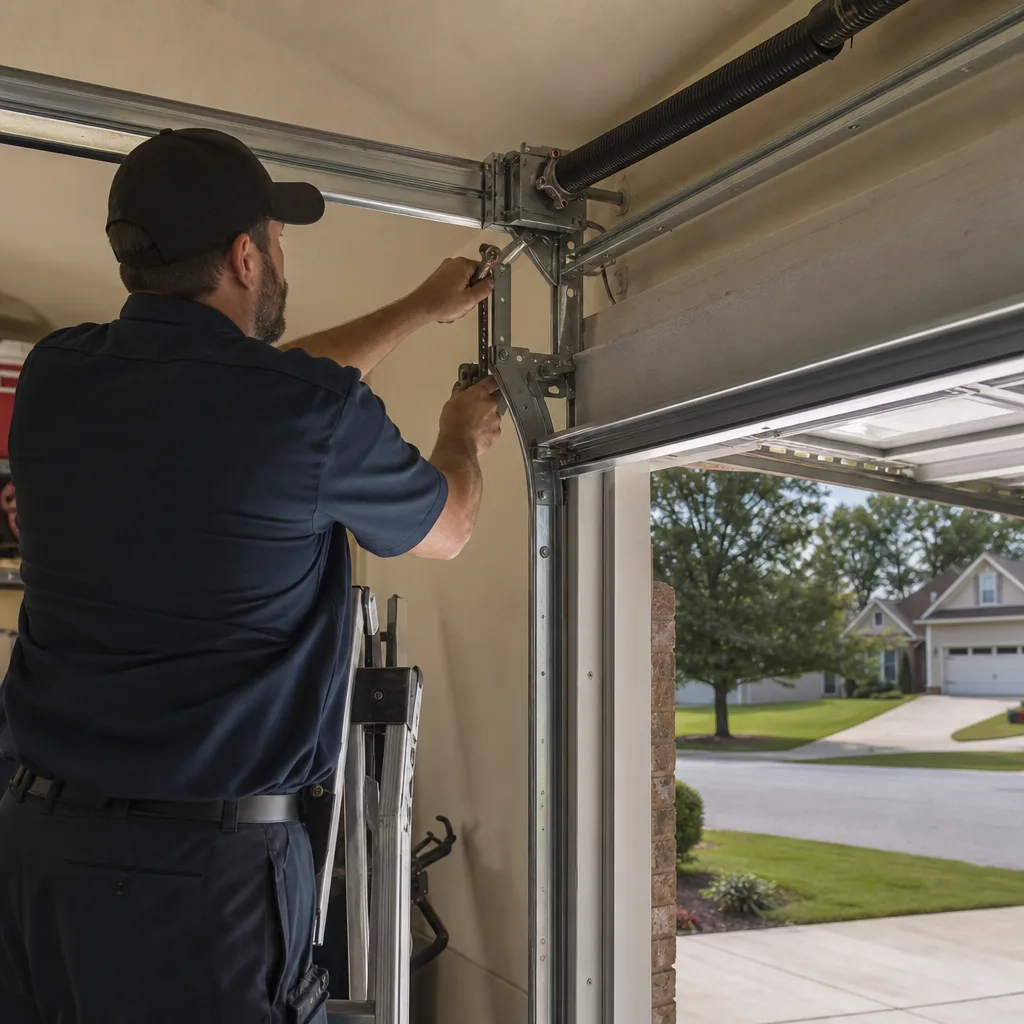
Call a professional for torsion spring replacement, cable repair, or any repair involving the high-tension components above the door. Those springs hold enough stored energy to cause serious injury if mishandled, and no maintenance guide should give instructions for working on them. Any work involving the opener’s internal drive gear or logic board also warrants professional attention. If your door drops more than six inches during the balance test, or if you see a gap in a torsion spring, stop using the door and call. Servo Garage Doors Lawrenceville offers free estimates in Lawrenceville, and every quote is a flat written price delivered before work starts. Call (470) 202-3917 and we’ll send a technician who photographs what they find before quoting a replacement.
Frequently Asked Questions
Four times a year, aligned with the seasons, is the right rhythm for Lawrenceville’s climate. Spring is for pollen and track cleaning, summer for watching limit-switch behavior in heat, fall for lubrication and fastener checks, and winter for ice-event readiness and bottom-seal care. Each session takes 15 to 30 minutes, and the spring balance test fits into all four. Call (470) 202-3917 if you’d rather have a professional handle the seasonal check, and we’ll give you a written price before starting. You can also explore more guides & resources on our blog.
A professional seasonal inspection and tune-up in Lawrenceville typically runs $90 to $175 depending on the door type and what needs attention, and any repairs found during the visit are quoted separately as a written price before work begins. This range reflects what we see across the Lawrenceville market, and it’s always confirmed before we touch the door. If a spring replacement or other repair is needed, we’ll show you the failed part in a photo and give you the flat price before proceeding.
Yes, but only during ice events, which happen once or twice most winters. The bottom seal freezes to the concrete when freezing rain follows cold temperatures. The fix is to disconnect the opener with the red release cord, gently rock the door to break thin ice, and apply warm water or a hairdryer on low if it stays stuck. Never force the door with the opener. For persistent ice problems, call (470) 202-3917 and we’ll check the threshold seal and drainage around your garage.
Use white lithium grease or a garage-door-specific silicone spray on roller bearings, hinges, and the torsion spring. Avoid WD-40 entirely; it’s a degreaser that strips lubrication and accelerates corrosion in Lawrenceville’s humid air. Apply a thin coat and wipe away excess to prevent pollen from sticking in spring. The track itself should stay completely dry.
That’s thermal expansion. Steel door panels grow measurably in 90°F heat, changing how the door sits in the tracks and triggering the opener’s safety reverse or limit stop. If the problem only occurs during peak afternoon heat and resolves in the evening, it’s a limit adjustment issue, not a damaged opener. A technician can adjust the limits with the door cool in about 15 minutes, and we’d quote that as part of a service call before starting. Call (470) 202-3917 to schedule.
No. Lawrenceville is in USDA Zone 7b, where winter lows stay above freezing most of the time. You don’t need low-temperature lubricants, subzero-rated seals, or insulation changes. What you need is a fall check for loose fasteners, a lubrication pass with standard products, and a bottom-seal inspection before the first ice event. Northern winterizing guides waste your time here.
The Bottom Line
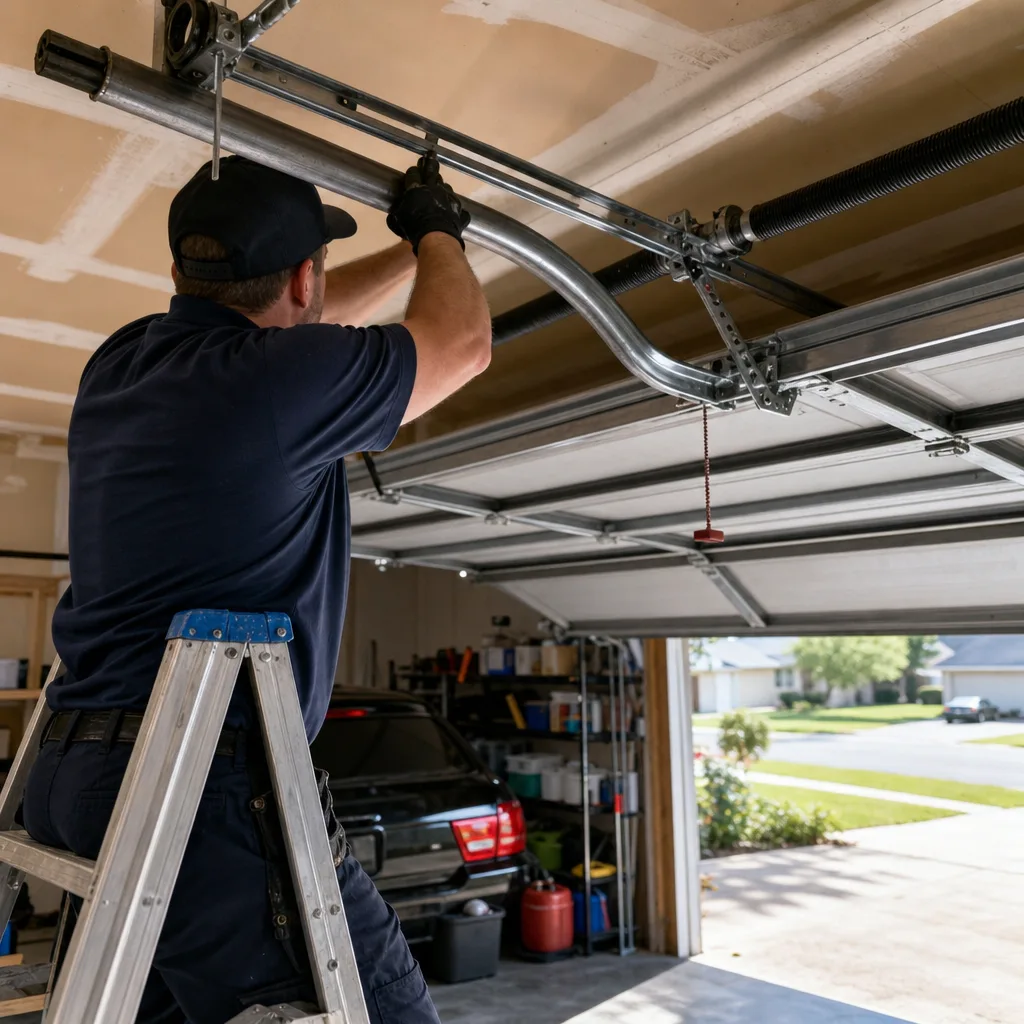
Lawrenceville’s garage doors fail on a predictable calendar, and that calendar is knowable. Pollen in spring, expansion in summer, fastener fatigue in fall, and ice events in winter each target specific components in sequence. The maintenance that intercepts those failures takes less than two hours per year, total. The balance test is the keystone habit, since it reveals the one component that breaks most often and costs the most when it does. For the annual maintenance and occasional repairs that every garage door eventually needs, Servo Garage Doors Lawrenceville home provides written pricing before work begins and a photo record of everything found and corrected, including Garage Door Opener Repair & Installation in Lawrenceville and Emergency Garage Door in Lawrenceville.
Written by Marcus Deller, Owner at Servo Garage Doors Lawrenceville, serving Lawrenceville since 2015.